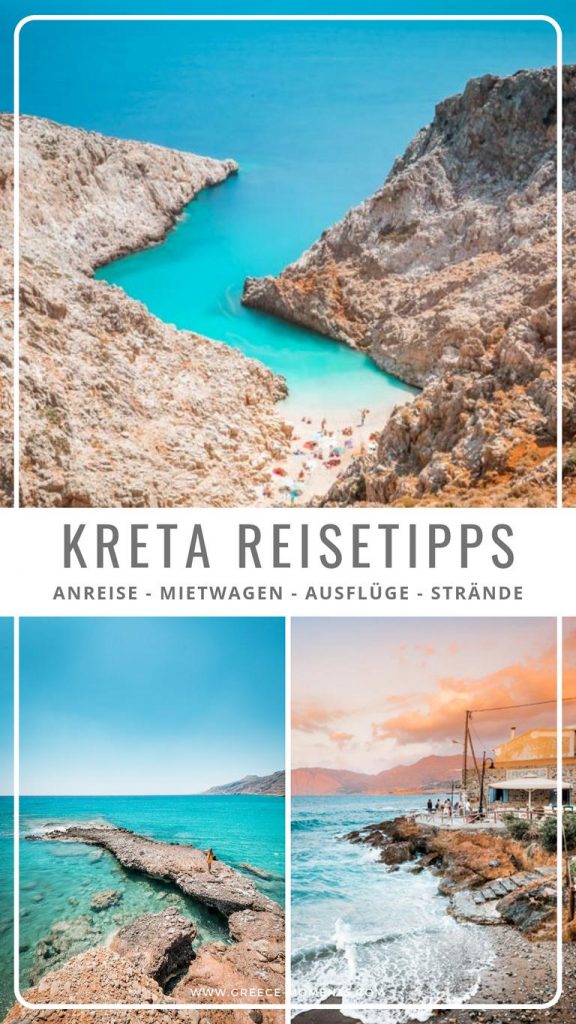

Planning a vacation on Greece’s largest island? We’ve put together a handy guide with all the essential information on how to get there, getting around, accommodations, excursions, and the best time to visit. Whether you’re looking for a beach vacation, a hiking adventure, or a cultural trip, our Crete travel tips will ensure you’re fully prepared!

#1 Getting to Crete
Direct flights from many European countries take just three hours to reach Crete. Upon arrival, you’ll need to set your clock forward one hour due to Eastern European Time. With Heraklion and Chania, Crete has two major airports that are served by direct flights from Germany and many other European countries during the season. Which one suits you best depends mainly on where your accommodation is located.
During the off-season from November to March, direct flights are much less frequent. In that case, the route usually goes through Athens, from where Aegean Airlines and Sky Express fly on to Crete.

Crete Airport in Heraklion HER
Nikos Kazantzakis Airport, the largest airport, is located east of the capital Heraklion on the north coast. It is served by direct flights several times a week from numerous German airlines, including Eurowings, TUI, and Condor. If you have booked a hotel in the north, east, or south of Crete, Heraklion is the ideal destination airport. A pre-booked airport transfer, available through GetYourGuide*, makes getting to your hotel easier:
Transfer times by bus to the resorts around Malia and Hersonissos in the north of the island are approximately 35–45 minutes. The transfer to Ierapetra in the south takes about one and a half to two hours. You can find affordable flights to Heraklion through our partner Skyscanner*:
➲ To cheap flights to Heraklion*
In winter, Aegean Airlines offers flights from Munich to Heraklion. If your accommodation is in the east of the island, you should expect transfer times of about an hour or more. You can only reach the small Sitia Airport in the east via a direct flight from Athens on a small plane operated by Olympic Air or Aegean Airlines.
→ Learn more about traveling to Crete by car in our article: Traveling to Greece
Crete Airport in Chania CHQ
Chania Airport, Ioannis Daskalogiannis Airport, is located in western Crete on the Akrotiri Peninsula. It is served by direct flights several times a week during the season from Frankfurt, Düsseldorf, Munich, and other German airports, including Condor, Eurowings, and Ryanair. If you’re staying in western Crete, it’s definitely worth flying directly to Chania. If you land in Heraklion instead, expect a bus transfer of at least two hours.
➲ Find cheap flights to Chania*
A handy overview of approximate flight times to Crete:
- Berlin to Crete: approx. 3 hours 10 minutes
- Frankfurt to Crete: approx. 3 hours 5 minutes
- Munich to Crete: approx. 2 hours 50 minutes
🏖️ Dream beaches & hidden bays
🍽️ Restaurants, tavernas & cafés
🏛️ Must-see highlights & ancient sites
🗺️ Worthwhile spots & insider tips
🚘 Practical info like rentals & parking
♾️ Lifetime access & updates
Ferry connections to Crete
If you prefer a more leisurely pace or want to bring your own vehicle, travel by ferry. The ferry from Piraeus to Crete takes approx. 9.5–12 hours and allows you to bring your own car or RV. Most connections are overnight ferries, meaning you sleep on board and arrive well-rested in the morning.
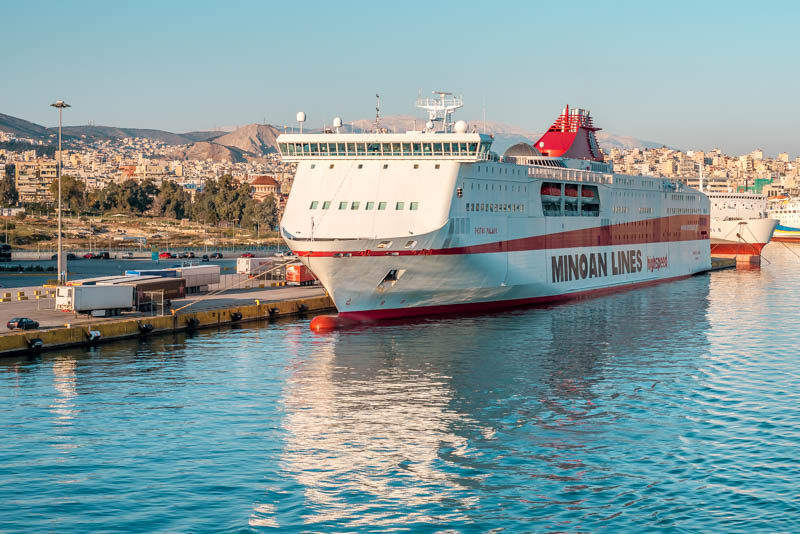
Crete has several well-connected ferry ports: Heraklion in the north and Chania (Souda) as well as Kissamos in the Western Crete. Ferry services to Crete are operated by these shipping companies, among others:
- ANEK Lines
- Minoan Lines
- Blue Star Ferries
- Hellenic Seaways
- Seajets (high-speed service)
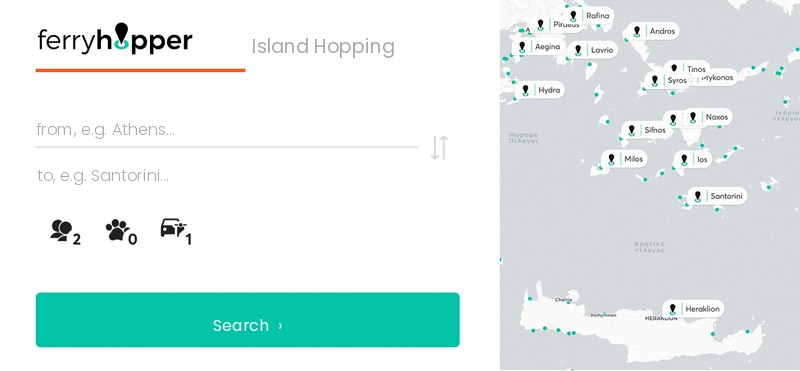
Ticket prices without a vehicle start at around 40–90 euros for the route, depending on the cabin and shipping company. During peak season, it’s recommended to book ferry tickets well in advance. You can view all routes and prices at a glance via our partner Ferryhopper*:
➲ Book a ferry with Ferryhopper*
→ Traveling to Crete by ferry? This article provides all the necessary information: Ferries in Greece
#2 Best time to visit Crete
Like other Greek islands, Crete has a Mediterranean climate and so Summers are hot and dry. Winters, on the other hand, are mild with plenty of rainfall and occasional storms. With over 300 hours of sunshine, Crete is one of the sunniest regions in Europe.

April and May: The island is in full bloom, with temperatures ranging from a pleasant 20–25 degrees. Ideal for hiking and cultural trips. Fewer tourists; many taverns and shops open in early May or after Orthodox Easter. The sea is still cool and not suitable for beach vacationers.
→ You can find more information about Easter in Crete in our dedicated article: Easter in Greece

June through early July: Wonderfully warm, hardly any rain, and the sea is slowly warming up. Almost all facilities are open, and the large crowds are gradually arriving on the island. For us personally, the first half of June is one of the most beautiful times to travel.
Mid-July to late August: High season, meaning crowded beaches and temperatures exceeding 40 degrees in the southeast. Perfect for a pure beach vacation, but popular spots like Elafonisi and Balos are very crowded.
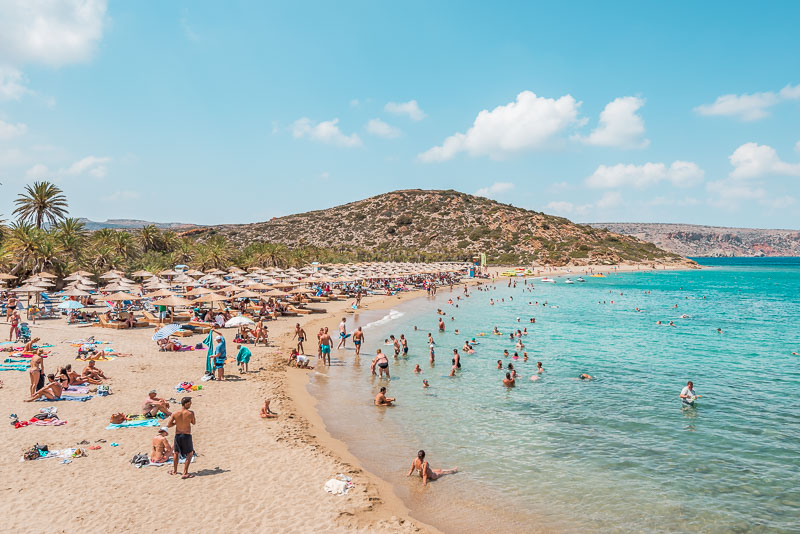
September: The best combination of warmth, pleasant water temperatures, and tranquility. Many vacationers have left by the end of September, and the sea remains pleasantly warm well into November. Our clear favorite for a fall vacation!
October: Daytime temperatures still a pleasant 22–25 degrees, ideal for hiking and active vacations. Many facilities close at the end of the month. If you’re looking for a bargain, you can often find great deals on flights and hotels now.
Crete in winter: What can you expect from November to March?
In the classic tourist towns, most hotels, taverns, and shops close from late October or early November. If you still travel to Crete and visit these places, you’ll find empty streets and closed shops.
It’s a completely different story in Heraklion, Chania, Rethymno, Agios Nikolaos, and Sitia: life goes on there all year round, the kafeneia are full, and people have time to spare. In the mountain villages of the Lefka Ori range, the fire is lit, and you suddenly find yourself sitting next to the innkeeper, even picking up a bit of Greek along the way. Conversations arise with the friendly Cretans, who simply don’t have time in the summer.
With temperatures ranging from 12 to 18 degrees, winters in Crete are mild compared to Central Europe, but rain and wind are part of the deal. Swimming isn’t for the faint of heart. Hiking, on the other hand, is: the Imbros Gorge is open year-round, as are the Agia Irini Gorge and the Myli Gorge. The Samaria Gorge is closed during the winter months. The Palace of Knossos has reduced opening hours in winter from 8:30 a.m. to 5 p.m. and is accessible year-round.

Accommodation options are limited, as many hotels in Crete don’t reopen until April. However, if you find an apartment with heating or a fireplace near a larger town, you can enjoy Crete very well in winter. Recommended bases: Chania, Rethymno, Heraklion, or Agios Nikolaos.
Crete in winter is ideal for: hikers, cultural travelers, and anyone who wants to experience the island away from the tourist crowds. Those primarily looking for beaches and swimming are better off visiting during the high season.
→ For more on the weather in Crete, see our article: Best Time to Visit Greece
#3 Car Rental in Crete
At over 250 kilometers long, Crete is by far the largest Greek island, which means that without a rental car, many of the most beautiful spots are simply out of reach. It takes at least five hours to drive from the palm-lined Vai Beach in the far east to the Balos lagoon in the west. We therefore recommend booking a rental car for Crete before you leave so you can drive off directly from the airport.
✓ Full coverage & unlimited mileage included
✓ Free cancellation until 24h before pickup
✓ Best price guarantee via Discover Cars
Vehicles are available from both international car rental companies in Crete and regional providers. Local providers are usually slightly cheaper and can be contacted from Germany via their website or email. We’ve had a very positive experience with the family-run business Kafetzakis Car Rental in Heraklion. Upon request, the vehicle was delivered directly to our destination, and we could simply drop it off at the airport for return.
Road conditions on Crete are good on the main routes, but often adventurous off the beaten path. For trips on gravel roads, such as to Balos, a vehicle with increased ground clearance is recommended. Also check with the rental company to see if the insurance covers unpaved roads.

By Bus in Crete
There are several bus companies on the island of Crete that connect the larger towns quite reliably. You can buy tickets in major cities at ticket machines or kiosks. In rural areas, you purchase tickets directly from the bus driver. Fares are very reasonable for most routes. In the capital, Heraklion, there are two bus stations, one for the western part of the island and one for the eastern part.
→ Bus schedules for Western Crete (KTEL Chania-Rethymno): KTEL Chania Rethymno Bus Schedule
→ Bus schedules for Northern Crete (KTEL Heraklion-Lasithi): KTEL Heraklion Bus Schedule
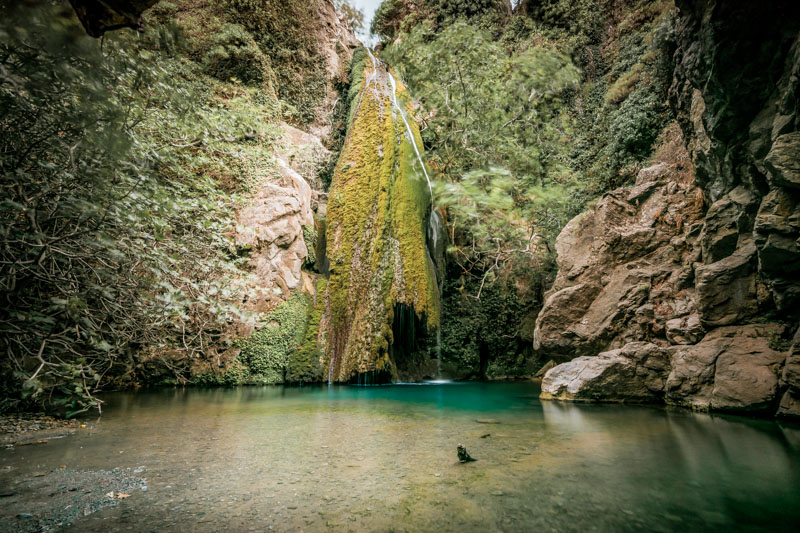
For remote highlights like Balos, the Richtis Gorge, or the beaches of Xerokambos, we still recommend renting a car, as buses usually don’t go there.
#4 Hotel Tips in Crete
Crete offers by far the widest selection of accommodations of all the Greek islands. From affordable studios and vacation rentals to family-run guesthouses, large resorts, and luxury villas with pools, there’s truly something for everyone here.
The highest concentration of hotels is on the north coast between Chania and Heraklion, as well as in the region around Agios Nikolaos and Elounda in the east.
For independent travelers, we recommend looking a bit away from the large hotel complexes: In the quieter villages of the west and south of the island, you’ll often find more charming accommodations at fair prices, and the sea is still just around the corner.
→ We book our Crete hotels and apartments on this portal: Booking.com*
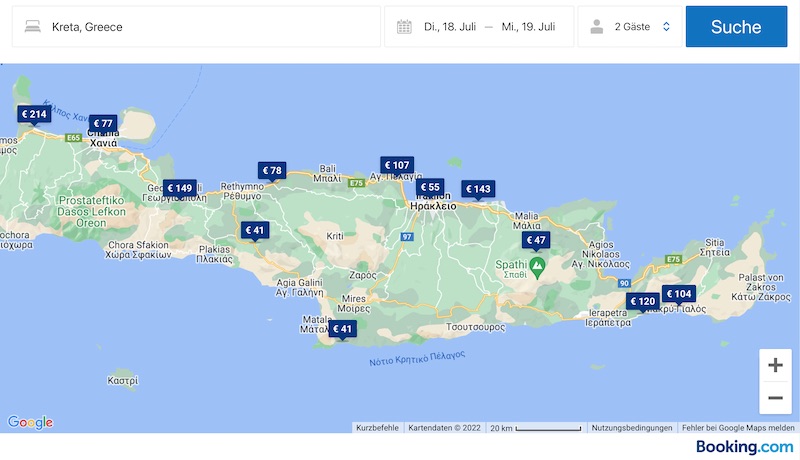
Our hotel recommendations by region
To save you time searching, we’ve compiled a list of recommended accommodations for each region. Click on the links to view current availability and prices on Booking.com*:
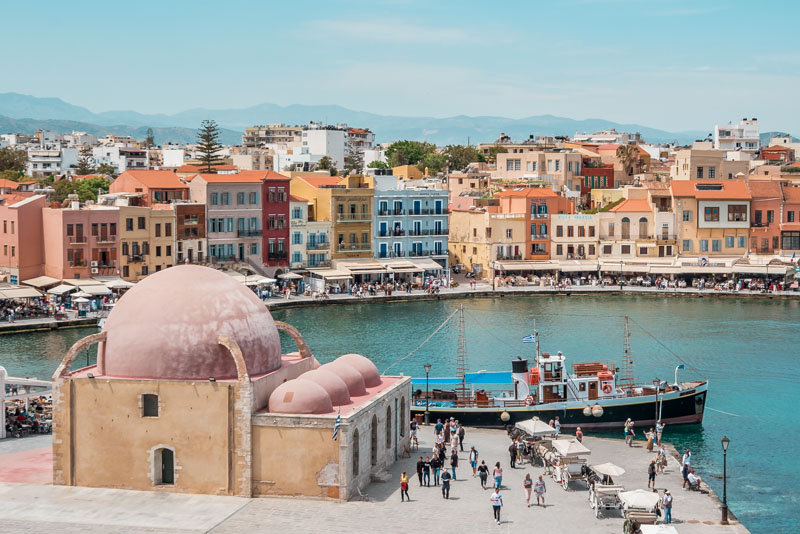
Chania Region
➲ Hanim Boutique Hotel*
– Chania Old Town
A small boutique hotel, renovated in 2023, located right in the heart of Chania’s Old Town, just a few minutes’ walk from the Venetian harbor. Perfect for anyone who wants to explore Chania on foot.
➲ Casa Manolesos*
– Akrotiri Peninsula
Family-run adults-only hotel with a pool in the hills of the Akrotiri Peninsula, offering panoramic views of Chania Bay. Homemade breakfast, quiet location, 20 minutes by car to the Old Town.
➲ The Mini Beach Hotel*
– Kato Stalos
A small beach hotel west of Chania in a quiet location right by the sea. A great base for a relaxing stay away from the hustle and bustle of the city, with easy access to the surrounding beaches.
Paleochora & Inland Region
➲ Evge Experience Boutique Hotel*
– Lakki/Voukolies
Six individually designed rooms in a 100-year-old, lovingly restored farmhouse surrounded by orange and olive groves in the Chania hinterland. Hostess Konstantina provides each guest with personalized recommendations for taverns and excursions.
➲ Mediterranean Dream*
– Paleochora
Highly rated accommodation in the laid-back, off-the-beaten-path town of Paleochora in the southwest, ideal for anyone seeking tranquility, a golden sandy beach, and Cretan charm without mass tourism.

Rethymno Region
➲ Grande Madonna Luxury Boutique Suites*
– Rethymno Town
Luxurious boutique hotel in the Venetian Old Town of Rethymno, one of the most beautiful city centers in Crete. Excellent location for strolling through the Old Town and exploring the region.
➲ Eleven Boutique Suites*
– Stavromenos
Beachfront boutique hotel east of Rethymno featuring its own restaurant, a large pool, and modern suites with kitchenettes. Guests particularly praise the exceptional cuisine and warm service; 15 minutes from the center of Rethymno.
➲ Zoe Boutique Hotel*
– Bali
The beautiful coastal town of Bali is picturesquely situated between Rethymno and Heraklion and is a popular vacation spot with several small bays. The Zoe Boutique Hotel is a great base for exploring this region.

Heraklion Region
➲ Pleiades Urban Stay*
– Heraklion City
An elegant city hotel in the heart of Heraklion, named after the seven mythical Pleiades sisters. Each room is individually designed and offers a stylish base for excursions to Knossos and explorations of the capital.
➲ Minois Boutique Hotel*
– Stalida (Adults only)
Well-maintained 4-star boutique hotel in a panoramic location in Stalida, 150 meters from the long sandy beach. All apartments feature spacious terraces with sea views; adults only.
➲ Volta Suites & Villas*
– Kato Gouves
Family-run property with lovingly furnished suites and villas, 200 meters from the beach and 16 km from Heraklion. Guests are welcomed with wine, raki, and a surprise in the fridge, and breakfast is delivered to the balcony.
Important Crete Hotel Note: The resorts east of Heraklion Airport are located directly in front of the runway. Those seeking peace and quiet should ensure they stay at a sufficient distance from the airport or choose accommodation in the west or east of the island from the outset.
Agios Nikolaos & East
➲ 9 Muses Apartments*
– Agios Nikolaos
Compact apartment complex 150 meters from the city center and right on the sea, with its own restaurant and ocean views from the balconies. Ideal for anyone wanting to explore Agios Nikolaos and the eastern part of the island.
➲ Elounda Heights*
– Elounda (Adults only)
One of the highest-rated accommodations in Crete for over a decade, offering panoramic views of Mirabello Bay and the fortress island of Spinalonga. Family-run, with an excellent homemade breakfast, pool bar, restaurant, and a relaxed atmosphere that’s hard to beat.
➲ Okeanis Mystique South*
– Koutsouras
A small, newly renovated apartment complex on the Libyan Sea in the still very unspoiled southeast of Crete, 30 meters from the beach and with direct access to several traditional taverns. Ideal for excursions to Xerokampos, Sitia, and the wild southeast of the island.
Crete Vacation Homes and Villas with Pools
If you prefer to stay in your own vacation home with a pool and terrace, Crete offers a huge selection, both on the coast and in the mountains. You can find beautiful Crete villas and vacation rentals at:
➲ View vacation homes and villas in Crete*
Package Tours to Crete
Those who prefer a relaxed, all-inclusive vacation will find many all-inclusive hotels and resort complexes along the north coast from Chania to Elounda. Current package tours to Crete are available at:
➲ View package tours on Holidaycheck*
➲ View package tours on Check24*
→ In this post, we’ve summarized the top hotels in Crete for you: The Best Hotels in Crete
#5 Things to See in Crete
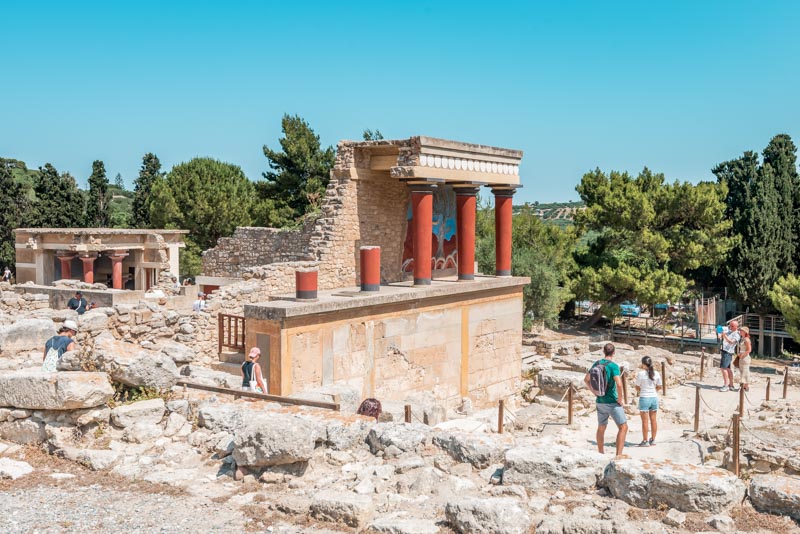
Crete has many attractions: the Samaria Gorge, the Palace of Knossos, the lagoons of Elafonisi and Balos, and the Lasithi Plateau are absolute highlights. Add to that the picturesque old towns of Chania and Rethymno, largely untouched gorges, and secluded bays in the east that hardly anyone knows about, even in the height of summer. Here is a summary of the most important places:
- Old Town and Venetian Harbor of Chania
- Knossos Palace near Heraklion
- Samaria Gorge (National Park)
- Lagoons of Balos and Elafonisi
- Palm Beaches of Preveli and Vai
- Spinalonga, the leper colony island, near Elounda
- Old Town of Rethymno with Fortezza Fortress
- Arkadi Monastery near Rethymno
- Lasithi Plateau with Zeus Cave (Psychro)
- Seitan Limani Beach (Akrotiri Peninsula)
- Sfentoni Cave near Zoniana
- The hippie village of Matala with Red Beach
- Insider tips: Mochlos and Xerokambos in the east
→ Here we reveal our favorite spots that we explored during our two months on the island: Crete Highlights
#6 Crete Excursions and Tours
Crete is wonderful to explore on your own, but sometimes a guided tour is simply more practical—whether it’s for the Samaria Gorge without worrying about the return trip, for a guide at Knossos, or a boat tour to Balos. Here are the most popular excursions in Crete, all bookable through our partner GetYourGuide*:
➲ Hike through the Samaria Gorge*
➲ Guided tour of the Palace of Knossos*
→ You can find an overview of all excursions and tours in Crete here: Crete Excursions and Tours

#7 Activities & Sports in Crete
Crete has far more to offer than just sun, beaches, and taverns. The island is one of Greece’s most active vacation destinations, and anyone who leaves their rental car behind and explores nature on their own will quickly understand why.
Hiking & Gorges
The Samaria Gorge is the island’s biggest draw, but Crete has much more to offer. Whether you’re a beginner or a pro: in addition to the 500-kilometer-long E4 long-distance hiking trail, Crete also boasts many short hikes that are a pleasure even with children. The most exciting, of course, are the many canyons and gorges. Below is an overview of the most important gorges in Crete:
- Imbros Gorge — the most popular alternative to Samaria: 8 km, approx. 2 to 3 hours, family-friendly, open year-round, the narrowest point measures 1.60 m
- Agia Irini Gorge — 7.5 km, shaded, quiet, moderate fitness level, ends at the Taverna Oasis near Sougia
- Aradena Gorge — spectacular and wild, the highlight is a 138-meter-high steel bridge, ends at Marmara Beach
- Kourtaliotiko Gorge — short but impressive
- Richtis Gorge (east) — features a waterfall and lush vegetation, ends at the rocky beach of Richtis
- Therisso Gorge (Chania) — also accessible by car, ideal as a half-day trip
Guided hiking tours can be booked via GetYourGuide* or directly on-site with local providers such as Hiking Crete and Discover on Foot.

Diving & Snorkeling in Crete
Crete offers cave dives, underwater arches, steep walls, and World War II wrecks, with visibility often exceeding 30 meters. The best season for diving in Crete is from May to October. Snorkeling enthusiasts will find excellent conditions for their underwater explorations, especially in the rocky south.
- Blue Adventures Diving — Chania
- Coral Diving Center — Chersonisos
- Dive2gether Crete — Plakias
- Eco Diving Center — Heraklion Region
- Kisamos Diving Center — Kissamos
- NiceDive4U — Sitia

Kitesurfing & Windsurfing in Crete
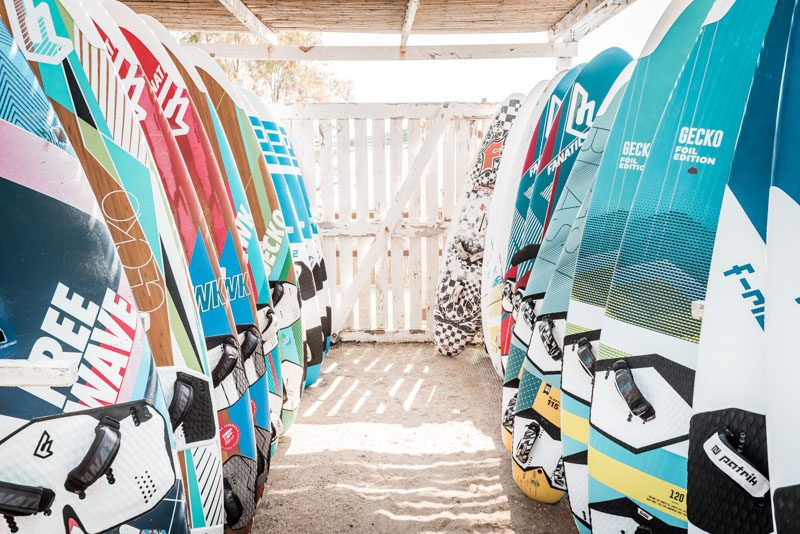
It doesn’t always have to be Karpathos, Kos, or Naxos to feel the wind whistling past your ears on a board. Falassarna on the west coast is one of the best kiteboarding and windsurfing spots in all of Greece. Other great windsurfing areas in Crete include Amoudara near Heraklion, Elounda, and Hersonissos.
- Surf Island — right on Falassarna Beach
- Surfing Crete — Chania
- Gone Surfing — Kouremenos
Mountain biking in Crete
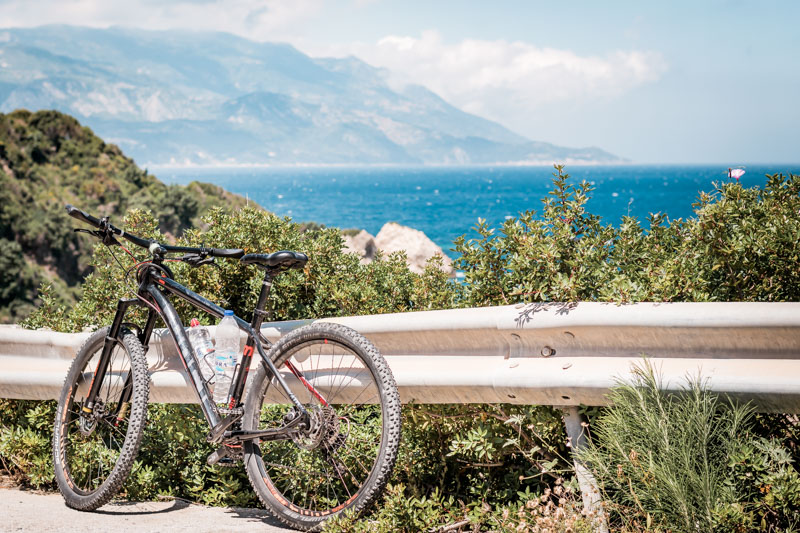
The hinterland of Chania and Rethymno offers great routes for all skill levels, from easy coastal rides to challenging mountain tours. The outdoor portal AllTrails (alltrails.com) lists over 500 marked routes in Crete. You can easily book guided bike tours in Crete via GetYourGuide*.
#8 Crete Restaurants: Our Recommendations
Crete has something to please just about every palate. Cretan cuisine is considered one of the most authentic and healthiest in Greece, characterized by top-quality olive oil, fresh homegrown vegetables, excellent cheeses like Graviera and Mizithra, as well as plenty of seafood and grilled meats. Our experience: The further away from the tourist center, the more affordable and traditional the food becomes, and a raki to finish is almost always on the house in the mountain villages.
🗺️ 10 road trip routes with maps
🏖️ Beautiful beaches & swimming spots
🏛️ All top sights & attractions
🤫 Unpublished insider tips
🍽️ Accommodation, tavernas & cafés
Restaurants in Western Crete
Gramboussa Restaurant, Kaliviani near Kissamos
A tastefully decorated restaurant near the access road to Balos with a beautiful view of the Gulf of Kissamos. A wide selection of Cretan dishes and attentive staff. Reservations are recommended during the summer months.
Ta Lemonadika Mezedopoleio, Fres near Chania
A rustic family-run tavern in the quiet mountain village of Fres, about 30 minutes from Chania. Host Michalis serves delicious Greek home-style cooking in the village square. The Cretan pasta is especially recommended. Lovers of traditional cuisine should definitely try staka here.
Restaurants in Northern Crete
To Sideradiko, Spili near Rethymno
A small, uniquely decorated tavern on the main road just outside Spili. Father and son cook fresh and varied dishes daily, and you choose directly from the pot. Fair value for money, very relaxed atmosphere.
Restaurant Kritamon, Archanes near Heraklion
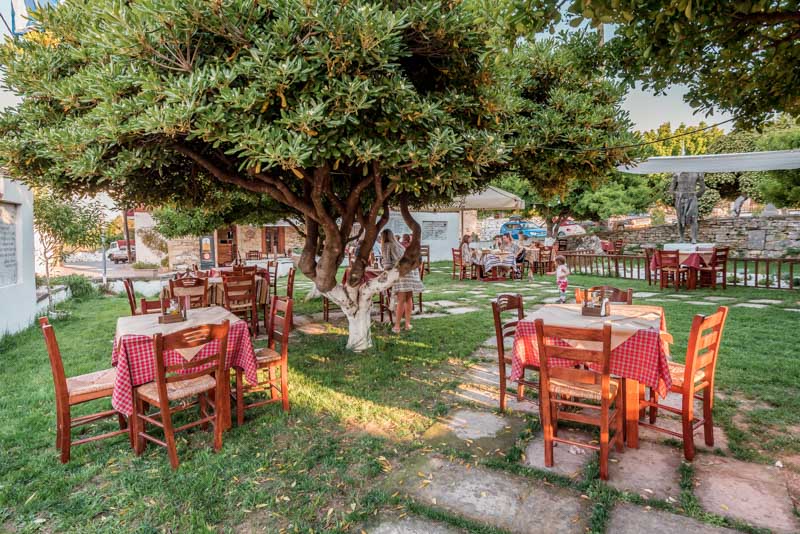
Creative Mediterranean and Greek dishes are served at fair prices in a cozy courtyard with an old maple tree. Reserved but warm hosts; open only in the evenings. Our favorites: the unusual “Greek sushi” and the original saganaki.
Gianni’s Taverna, Kiparissi near Heraklion
This exceptional restaurant is situated in the authentic village of Kiparissi. The friendly owner, Giannis, serves delicious Greek dishes in his wine cellar. With candlelight, lyre music and homemade wine, it feels like stepping back in time. The portions are truly generous; you pay a fixed price per person and the food keeps coming. It is open in the evenings from October to May.
Restaurants in Southern Crete
Livas, Pitsidia near Matala
Dimitris and his wife Maru run a very cozy tavern with a beautiful rooftop terrace in the little village of Pitsidia. The menu features Mediterranean dishes with an Oriental twist: hummus, kebab, and more. A family-friendly atmosphere, just like visiting friends.
#9 Cretan cuisine: What you must try
Anyone who has ever sat in a mountain village in Crete, with a plate of dakos in front of them, a glass of raki to go with it, and the landlady simply placing another plate of cheese and olives on the table, understands immediately why so many people keep coming back to this island. Greek cuisine in Crete isn’t just a side note to your vacation; it’s one of the main reasons to come here. And honestly, one of the main reasons why we keep coming back ourselves.
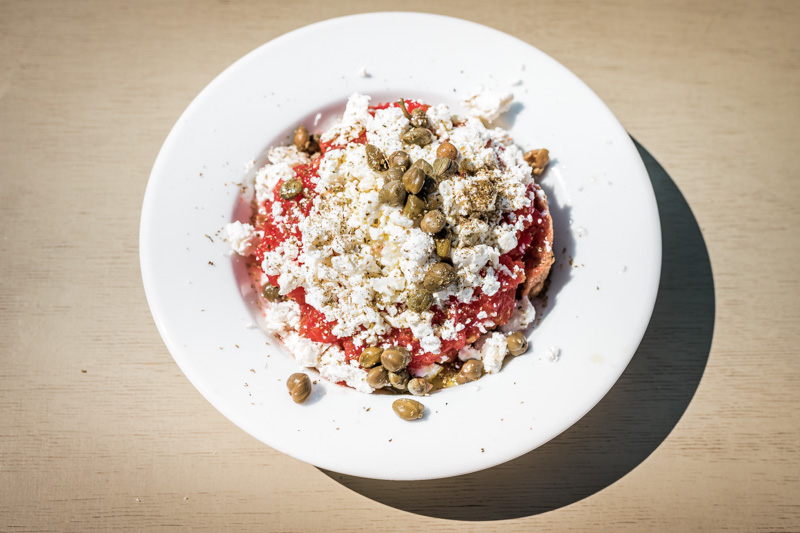
Dakos is the classic dish par excellence. Barley rusks (paximadi) are soaked and topped with grated tomato, myzithra cheese, oregano, and plenty of olive oil. It sounds simple, and it is—and that’s exactly the secret. We could eat it every day.
Graviera Kritis is the island’s most famous cheese, a nutty sheep’s milk cheese with a slight sweetness that is aged for several months. It tastes best on its own with a drizzle of thyme honey. Graviera from Crete is protected throughout the EU, and you won’t find anything at home during “Greece Weeks” at the discount store that even comes close in quality, so make the most of your time on the island. By the way, Graviera is also really delicious as Saganaki (breaded pan-fried cheese)!
Staka is the first culture shock many visitors experience in Crete, and it is a very positive one. This creamy dairy product made from goat’s or sheep’s milk is simmered for hours and has a consistency somewhere between thick yogurt and cheese. You can find it almost exclusively in the Chania region, in small country taverns. Served with bread, it makes for a hearty breakfast, but please share a portion—staka is very rich.
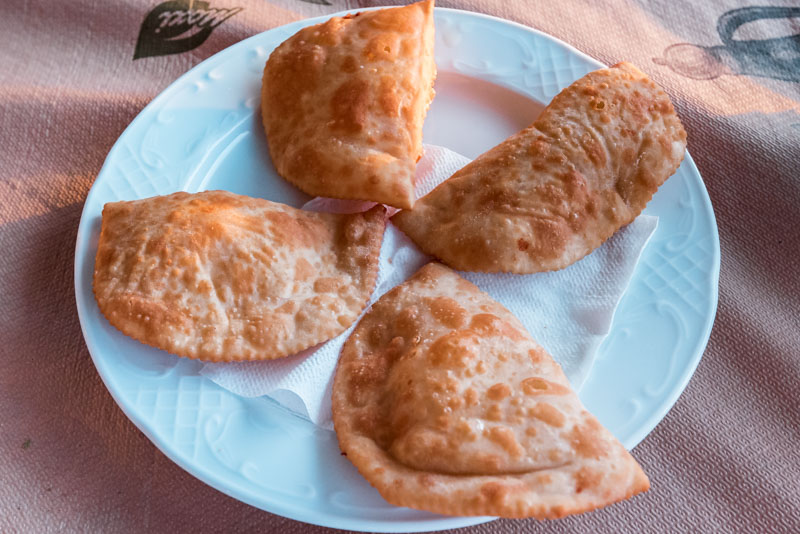
Sfakiani Pita (Sfakian Pie) is the Cretan answer to pancakes: thin, fried pastries filled with myzithra, served warm and drizzled with thyme honey and a pinch of cinnamon. Sweet, savory, unbelievably good.
Boureki, more specifically Chaniotiko Boureki, is a casserole made with zucchini, potatoes, and cheese, traditionally prepared in a wood-fired oven. The original version without pastry is only found in the Chania area. We once had the best Boureki of our lives at a small family-run tavern.
Kalitsounia are small pastries filled with myzithra or wild herbs, savory as an appetizer or sweet with honey and cinnamon as a dessert. For us, the sweet version with thyme honey is Cretan cuisine in its purest form.
Antichristo is the island’s most archaic meat dish: young lamb or goat is placed upright over an open fire and slowly cooked. Lightly smoked on the outside, tender on the inside. If you’re a meat lover and see it on the menu somewhere, order it. The sight of it grilling, however, isn’t for vegans or small children…
Vlita
is an ancient dish. It is believed that even the ancient Greeks ate it. It consists of blanched wild herbs, such as sorrel, prepared with olive oil and lemon. It resembles chorta (usually listed on the menu as “greens”), but is much more aromatic.
Cretan snails
are a traditional dish with a long history on the island and are especially prized in the fall, when they are infused with wild herbs. They are usually seasoned with olive oil, rosemary, and vinegar—ideal for the adventurous.
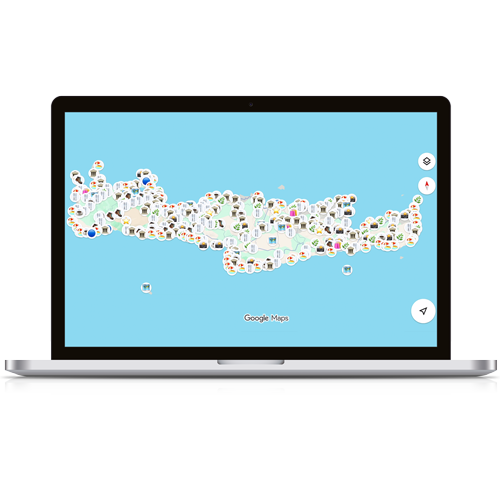
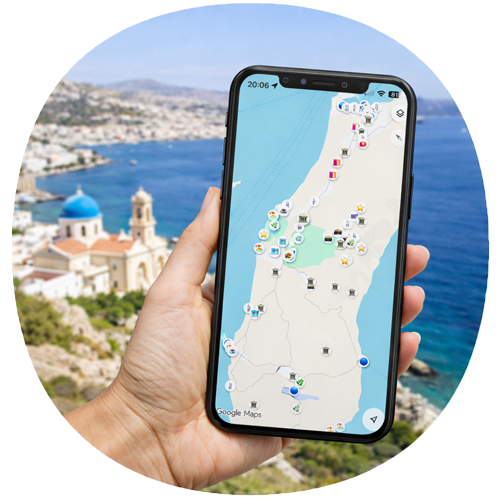
Our tip for truly great food in Crete: Skip the tourist spots along the beach promenade and look for a taverna in the countryside or a mountain village. Where the menu is still handwritten in Greek or only recited verbally, that’s where you’ll find the best dining in Crete. We’ve saved our personal favorite tavernas on our Crete Google Maps map:
→ You can also find more posts and numerous Crete travel tips at:
- Crete Blog – An Overview of Greece’s Largest Island
- Crete Beaches – The Most Beautiful Swimming Bays
- Crete Vacation Spots – An Overview of Resorts
- Crete Holiday – Our Experiences
- Crete with Kids

FAQ about the island of Crete
Who is a vacation in Crete best suited for?
Crete is a true all-rounder. First-time visitors to Greece will immediately feel at home on Greece’s largest island because there is so much to do. Families will find great sandy beaches and child-friendly facilities, hikers will discover wild gorges and alpine landscapes, and culture enthusiasts can explore Venetian old towns and Minoan archaeological sites. Crete, however, is less suited for a lively nightlife; for that, you’re better off in Mykonos or Ios.
How many days should you plan for Crete?
At least ten days, preferably two weeks or more. The island is 254 km long and has countless highlights to offer. In ten to fourteen days, you can explore Chania, Rethymno, Knossos, Elafonisi, Balos, and the Samaria Gorge while fitting in some relaxing days at the beach. If you really want to experience the island with its mountain villages, taverns away from the crowds, and secluded bays, you’ll need at least two weeks. In Crete, everything goes by the motto “Siga-Siga” (take it easy), so you’ll need to adjust to that pace in many places.
What are the must-see sights in Crete?
Our personal top 7: the old town of Chania, the Palace of Knossos, the Balos Lagoon, Elafonisi, the palm-lined beach of Preveli, the Samaria Gorge, and, as an insider tip, the coastal town of Mochlos in the northeast.
Which beaches in Crete are the most beautiful?
Our top 5: Balos Lagoon (spectacular from above!), Elafonisi (turquoise-blue water, shallow entry, pink sand), Falassarna (golden sand, less crowded than the lagoons), Seitan Limani (a photogenic, curved bay on the Akrotiri Peninsula), and Xerokambos in the southeast (Caribbean vibe, hardly any tourists even in summer). Elafonisi and Vai, with their shallow waters, are ideal for families.
When is the best time to visit Crete?
April/May and September/October are ideal: pleasant 22–28 degrees, nature is in bloom in the spring, the water is still wonderfully warm in the fall, and there are fewer tourists as well as lower prices. In July and August, it gets very hot in the southeast, with temperatures reaching up to 40 degrees. This time of year is only suitable for sunbathers and beachgoers, as Chania, Elafonisi, and Balos are then overcrowded. We personally love May and September, as they offer the perfect balance of weather, tranquility, and open taverns.
Do I need a rental car in Crete?
For anything other than a pure beach vacation in a single location: Yes, absolutely. Many of the most beautiful beaches and sights are barely accessible without your own vehicle. The KTEL bus network is reliable for the main routes but has significant gaps away from the main connections. Without a rental car, you’ll miss the spontaneous stops, the quaint mountain villages, and the secluded bays that make Crete so special.
How much does a vacation in Crete cost?
As a rough guide for a mid-range budget, you can expect to spend around 80–120 euros per day per person (accommodation, rental car, food, admission fees/gas). Package tours are available starting at around 500–800 euros per week, often significantly cheaper in the off-season. Crete is more affordable than Mykonos or Santorini, but slightly more expensive than the Greek mainland. Our money-saving tip: Self-caterers will find the best deals in a vacation rental or studio.
Which place in Crete is best for staying overnight?
Chania is ideal for culture enthusiasts who enjoy the old town’s charm and appreciate its proximity to Balos and Elafonisi. Rethymno is perfect thanks to its charming old town and central location. Georgioupoli is great for families with its long sandy beach. Paleochora is perfect for independent travelers in the quiet southwest. Agios Nikolaos offers easy access to Vai and Spinalonga in the east. If you want to avoid mass tourism, you should steer clear of Hersonissos and Malia.
*Support our blog Greece-Moments
This post contains affiliate links marked with an asterisk (*). If you book or purchase something through one of these links, we receive a small commission. The price remains the same for you. This helps us continue to provide high-quality content for free. Did you enjoy this post and want to say thank you? Then simply buy us the next Greek coffee ☕️ Go to the coffee fund
Save this post on Pinterest too!