

The largest island in the Dodecanese attracts more than 1.5 million vacationers each year. No wonder, since Rhodes features kilometers of sandy beaches alternating with impressive mountain ranges, where unspoiled villages meet lively beach resorts, and mighty castles of the Knights of St. John tower over the sea throughout the island.
The sun-drenched island of Rhodes, nearly 80 km long, offers far more than just beaches and the sea and is ideal for an extended vacation filled with excursions.
Tom & Ella
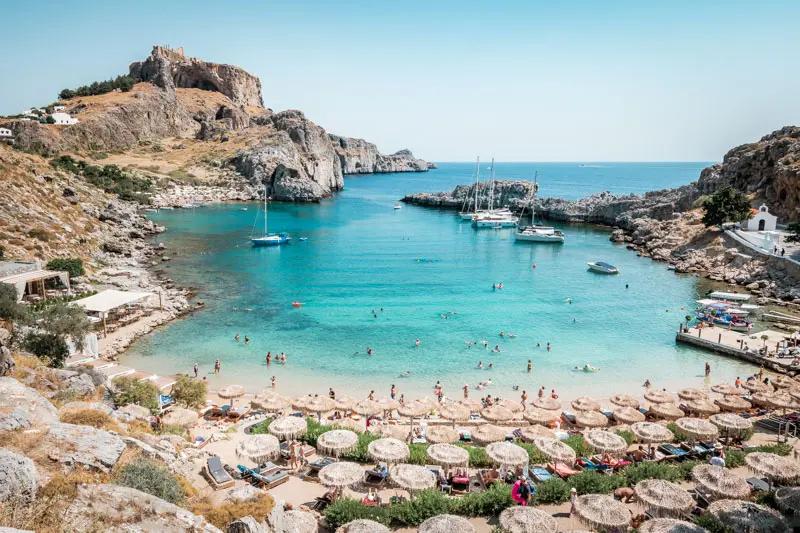
The island’s tourist heart beats along the northern coast of Rhodes, where package-tour hotels and all-inclusive resorts dominate the landscape. In the far south, tourism seems to be gaining momentum only slowly. Longtime fans are drawn to the island’s hinterland anyway, where they can explore Rhodes on their own, away from the crowds.
Even though Rhodes is crowded in the summer, we discovered some quiet corners during our stay on this popular Greek island. Our personal take on the island is at the end of this post. Here, we’ll show you the best things to do in Rhodes and our personal highlights for your vacation:
- #1 Day Trip to Rhodes Town
- #2 Kallithea: The Thermal Baths of Rhodes
- #3 Filerimos Hill
- #4 Anthony Quinn Bay
- #5 Tsambika on Rhodes
- #6 Afandou and Archangelos
- #7 Faethon: Rhodes’ Small Horses
- #8 Lindos: Rhodes’ Most Beautiful Village
- #9 Epta Piges, Eleousa & Profitis Ilias
- #10 Kamiros and Kritinia
- #11 Asklipio and Laerma
- #12 Monolithos: The Knights’ Castle of Rhodes
- #13 Cape Fourni
- #14 Apolakkia Reservoir
- #15 Lachania: Authentic Rhodes
- #16 Agios Pavlos
- #17 Prasonisi: Southern Cape of Rhodes
- FAQ: Things to do in Rhodes
🏖️ Dream beaches & hidden bays
🍽️ Restaurants, tavernas & cafés
🏛️ Must-see highlights & ancient sites
🗺️ Worthwhile spots & insider tips
🚘 Practical info like rentals & parking
♾️ Lifetime access & updates

#1 Day Trip to Rhodes Town
For us, the capital of Rhodes is one of the island’s most beautiful destinations. The medieval Old Town, a UNESCO World Heritage Site, is particularly enchanting with its narrow alleys, charming cafés, and historic buildings. The imposing Palace of the Grand Masters of Rhodes alone makes a visit to the island’s capital worthwhile.
→ Find out what sights there are to discover in the capital of Rhodes here: Rhodes Town

#2 Kallithea: The Thermal Baths of Rhodes
The former thermal baths of Rhodes, located about nine kilometers from the capital, are definitely worth a detour thanks to their beautiful architecture and idyllic location right by the sea. After extensive restoration work, the complex reopened in July 2007.
→ You can find the most important information for visiting the Kallithea Thermal Baths in this post: Kallithea Springs

Especially in the morning, it’s not too crowded at the Kallithea Thermal Springs, so you can explore the individual buildings undisturbed and relax on the beach. There’s a small stretch of beach on-site with lounge chairs for relaxing, and the Kallithea Springs Seaside restaurant is a great spot for a drink.
- Kallithea Thermal Springs, Rhodes: Open daily from 8 a.m. | Admission: €5

#3 Filerimos Hill
Not far from the lively resort town of Ialysos rises the 267-meter-high, densely forested Mount Filerimos, colloquially known as Filerimos Hill. This is believed to be the site of the ancient city of Ialysos. It’s about a 30-minute drive from Rhodes Town; you can park your car in a large, free parking lot.

At the entrance to Filerimos, you’ll be greeted by its colorful residents—flocks of peacocks have made their home in the forest. On the right, a beautiful cypress-lined avenue leads to the Filerimos Cross, a massive concrete cross. From the observation deck, you’ll have a fantastic view of the west coast of Rhodes.
You can also explore Filerimos Hill at a leisurely pace as part of a guided tour through the Rhodes hinterland. You can book the tour here*.
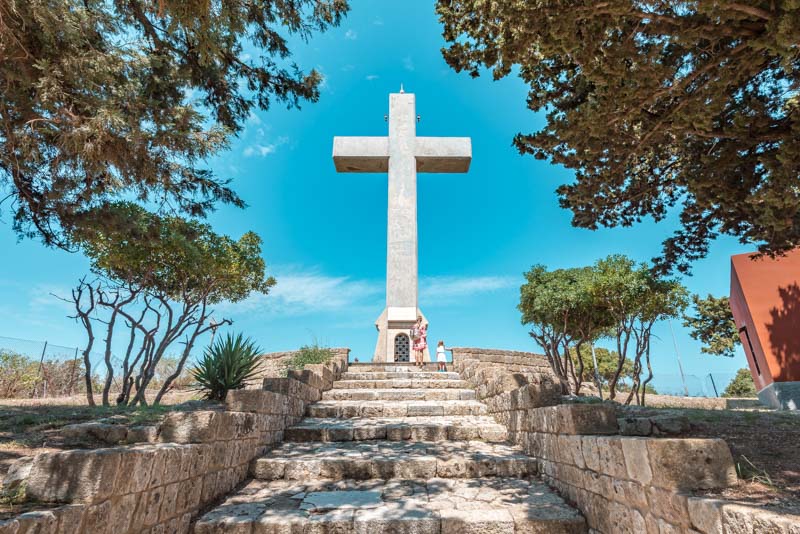
If you take the left path from the entrance, you’ll reach the site of the ancient city of Ialysos, which, unlike the Filerimos Cross, requires an admission fee. The 10th-century Iera Moni Filerimou Monastery is also located here. It was restored by the Italians 100 years ago.
→ For more tips on a trip to Filerimos Hill and the monastery, check out this post: Filerimos on Rhodes
During their work, archaeologists discovered traces of settlements from times long past throughout the entire site. For example, the remains of a temple dedicated to the goddess Athena were excavated, and the early Christian chapel of Agios Georgios Chostos, featuring well-preserved frescoes, was uncovered.
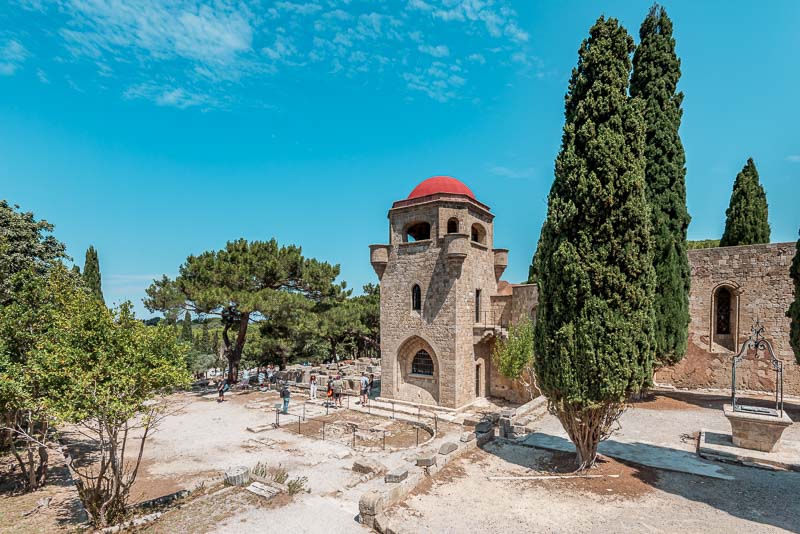
To the east of the monastery lie the ruins of Kastro Filerimou from the Byzantine period (11th century). Among other materials, marble blocks from the ancient temple were used in its construction. Our personal highlight: A bizarre, wind-sculpted tree-lined path leads you to a small viewing platform overlooking the north coast.
- Filerimos Monastery and Kastro opening hours: daily 8 a.m.–8 p.m. | Admission: 10 €
#4 Anthony Quinn Bay
The island of Rhodes certainly isn’t short on beautiful swimming coves. A special gem is Anthony Quinn Bay, south of Faliraki. Here, the sea shimmers in the most beautiful shades of blue, and the bay is framed by forested rocky cliffs.
→ For more tips on a trip to Anthony Quinn Bay, check out this post: Anthony Quinn Bay

Water shoes are recommended, as the seabed is rocky. During peak season, it’s difficult to find a free spot on the narrow sandy and pebbly beaches. After all, this picturesque bay is a popular destination on Rhodes. By the way, the leeward coast is perfect for exploring by sea kayak.
The leeward east coast of Rhodes is perfect for exploring by sea kayak. You can book the tour here*.
If Anthony Quinn Bay gets too crowded for you, we recommend a detour to the nearby Profitis Ilias Chapel. The hill offers spectacular views of Anthony Quinn Bay and Ladiko Bay, as well as the hotel district of Faliraki.
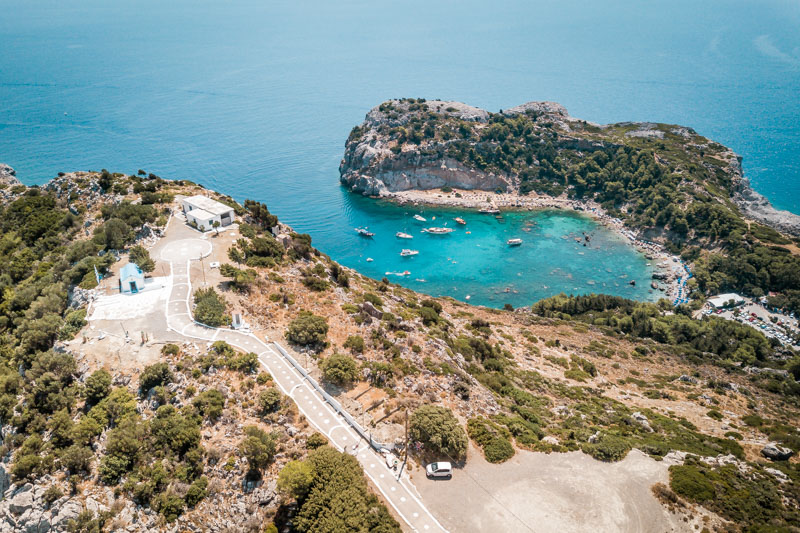
Even in the height of summer, there were hardly any people up here, and you can enjoy the idyll all to yourself. There are even chairs available so you can take in the view undisturbed. For anyone looking for a quiet beach town in the region, we recommend the resorts of Afandou (see #6) and Kolymbia, with their miles-long beaches.
#5 Tsambika on Rhodes
Located between the popular resort town of Kolymbia and the unspoiled village of Archangelos lies one of Rhodes’ absolute top highlights: Tsambika. The name refers both to the small church at an elevation of 330 meters and to the nearby monastery and popular sandy beach.
→ Find out everything you need to know about Tsambika’s beach and monastery in our article: Tsambika on Rhodes
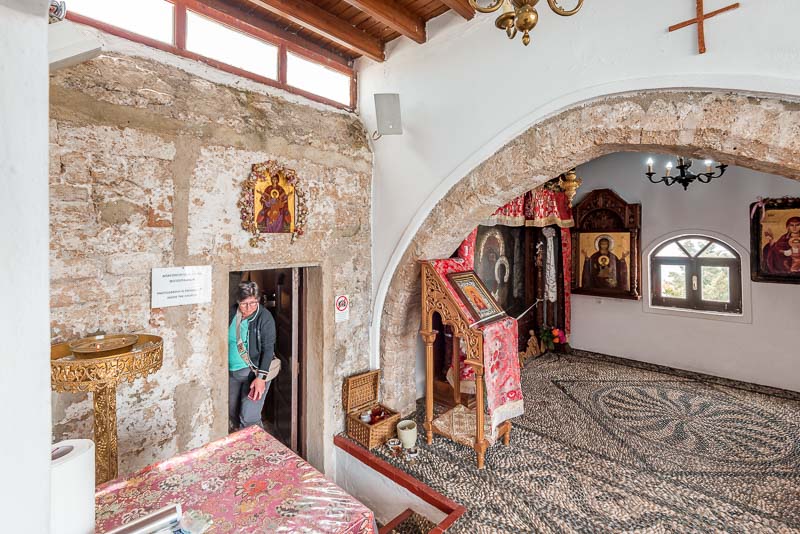
Even from a distance, the white Kyra Tsambika Chapel can be seen perched on a hill above the sea. A narrow road leads up to a parking lot; from there, it’s a 15-minute walk (300 steps) to the Church of the Virgin Mary. The fairly steep climb is well worth it—the view from up here of the east coast of Rhodes is simply magnificent.

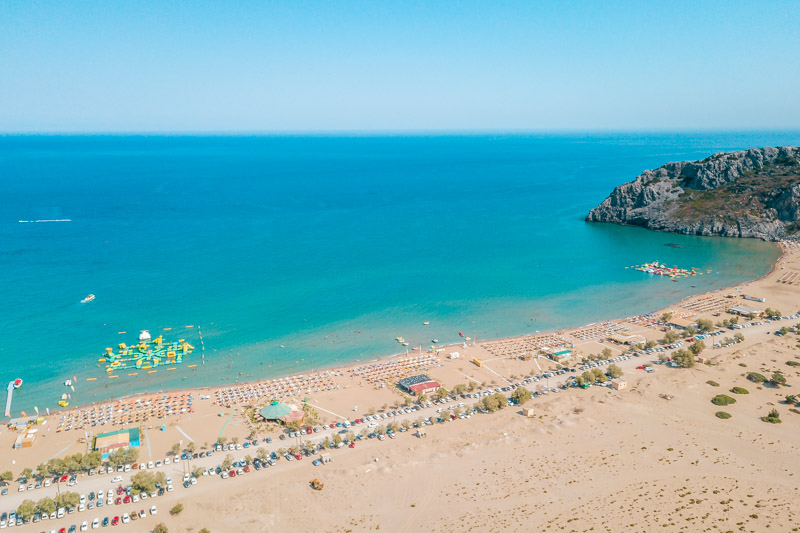
Tsambika Beach can be reached from the highway via a separate turnoff. The dune landscape, with its fine sandy beach and gently sloping sea, captivates visitors right away. Until the end of May, it’s still quiet here, and you can swim in the sea relatively undisturbed. In the summer, this dream beach turns into more of a party hotspot.
#6 Afandou and Archangelos
Afandou and Archangelos, the two largest villages on Rhodes, are located north and south of Tsambika. Neither has been gentrified for tourism, so visiting these villages gives you an authentic glimpse of a typical Greek small town with numerous taverns and cafés at great prices.

In the 1960s, many residents still moved to Germany as guest workers. In fact, pop star Udo Jürgens is said to have composed the melody for his global hit “Griechischer Wein” in 1972 after a vacation in Rhodes. Many former emigrants have returned, so you’ll see some German signs, and even the younger generation sometimes speaks German.
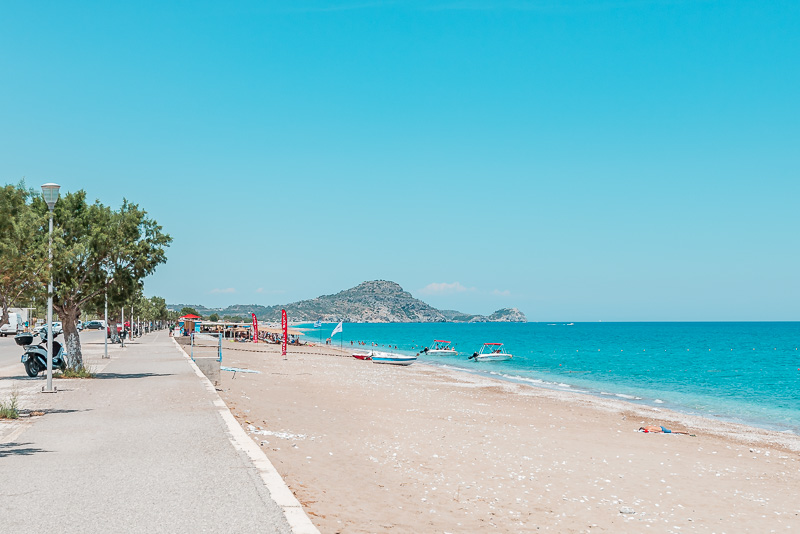
The village square in Afantou is named “Gummersbach” and commemorates the many Greeks who settled in the small town in the Oberberg region. The Kafenion Gummersbach, named after the town, offers good home-style cooking at reasonable prices. The residents of Archangelos, on the other hand, were increasingly drawn to Krefeld. Those interested can stop by the Hellas Taverna for a chat.
Afandou is a cozy place to stay on the east coast of Rhodes, far from the tourist hotspots. You can compare and book hotels here*.
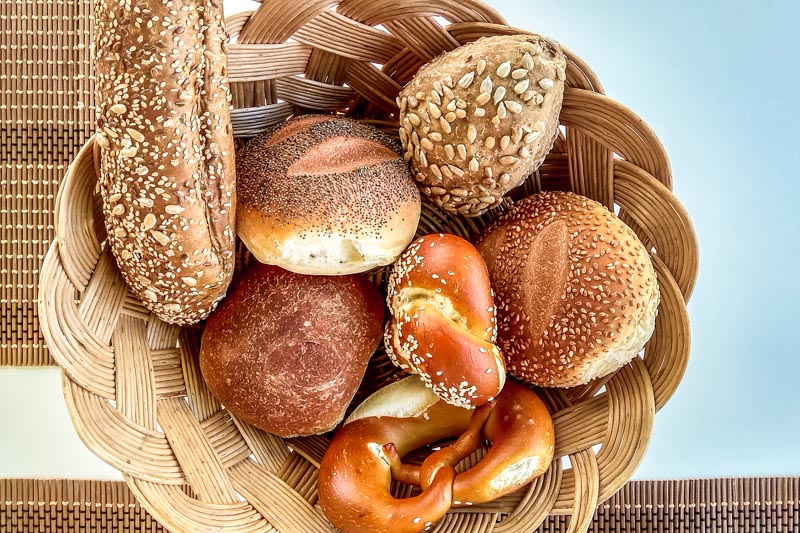
If you miss fresh open-faced sandwiches, rolls, or bread rolls while on vacation, you can visit the Sweet Dreams bakery at the entrance to Afandou. The friendly family that owns the bakery lived in Germany for many years and ran a bakery in Stuttgart. Here you’ll find crispy rolls and delicious pretzels!
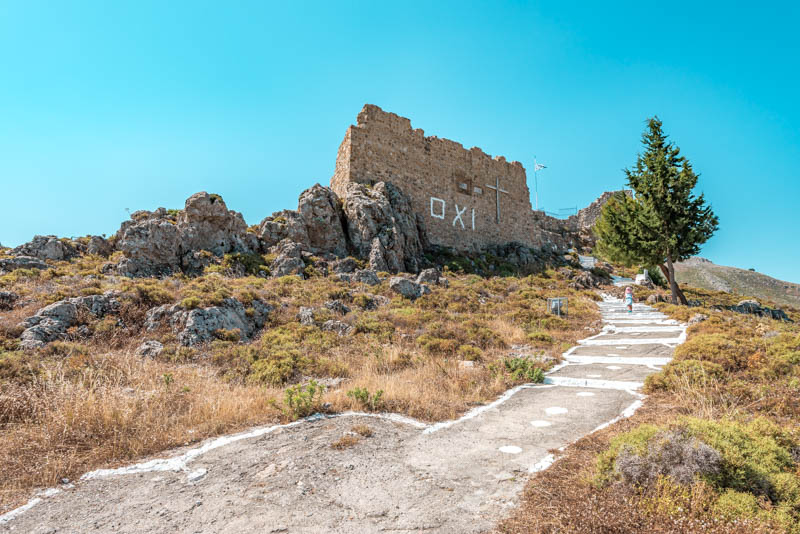
In Archangelos, adventurous travelers shouldn’t miss the hike up to Kastro above the village. By the way, the countryside around Afandou is perfect for exploring by mountain bike, jeep, or ATV. You can either rent a vehicle or join a guided Rhodes Jeep Safari.
Explore the Afandou hinterland on a guided jeep safari in Rhodes. You can book the tour here*.
Beer from Rhodes
Beer lovers don’t have to go without international brands like Heineken, Becks, and others even while on vacation. But Rhodes even has its own beer—the best-known is VAP, also known as Zytos Rhodes, which is available almost everywhere and, in our opinion, tastes great.
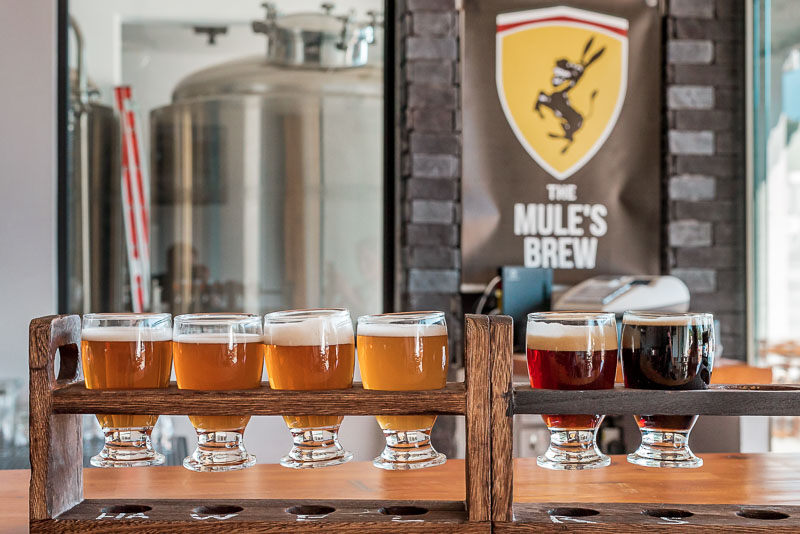
Craft beer fans should definitely make a stop at The Mule’s Brew microbrewery in Archangelos. Since 2022, they’ve been brewing fresh pale ale, stout, and even wheat beer here, among other varieties. Tastings are available from 12:00 p.m. to 9:00 p.m. (closed Wednesdays).
#7 Faethon: Rhodes’ Small Horses
Did you know that there’s an endemic breed of miniature horses on Rhodes? They are closely related to the so-called Skyros ponies on the Sporades island of the same name and are among the smallest horse breeds in the world. Standing face-to-face with these muscular miniature horses, they inspire awe and admiration!
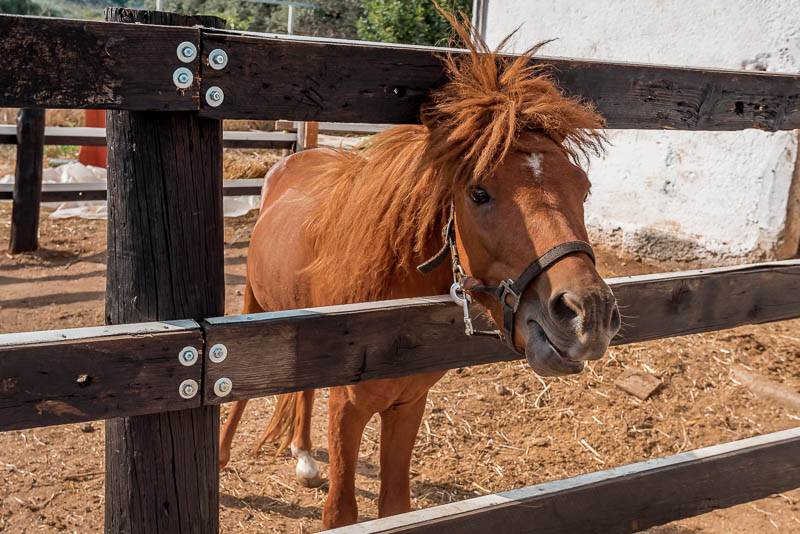
The good news: Animal lovers can visit these pony-sized horses (about 110 cm tall) during their vacation in Rhodes. The bad news: The Rhodes miniature horses, of the species Equus caballus caballus, are critically endangered. There are fewer than 15 of them on the entire island of Rhodes.
🗺️ 10 road trip routes with maps
🏖️ Beautiful beaches & swimming spots
🏛️ All top sights & attractions
🤫 Unpublished insider tips
🍽️ Accommodation, tavernas & cafés
Scientists have discovered that small horses lived on the Aegean islands—such as Rhodes, Lesbos, and others—thousands of years ago. Old photographs and paintings show that the small Rhodes horses were an integral part of the local fauna until just over 80 years ago and lived wild in the island’s mountains.
These hardy horses were valued as “workhorses,” as well as for sports and parades. Due to their agility and frugality, they were even used by the Greek army as cavalry horses in the 19th century. After World War II and with increasing industrialization, their numbers declined rapidly. Did the rise of tourism also play a role?
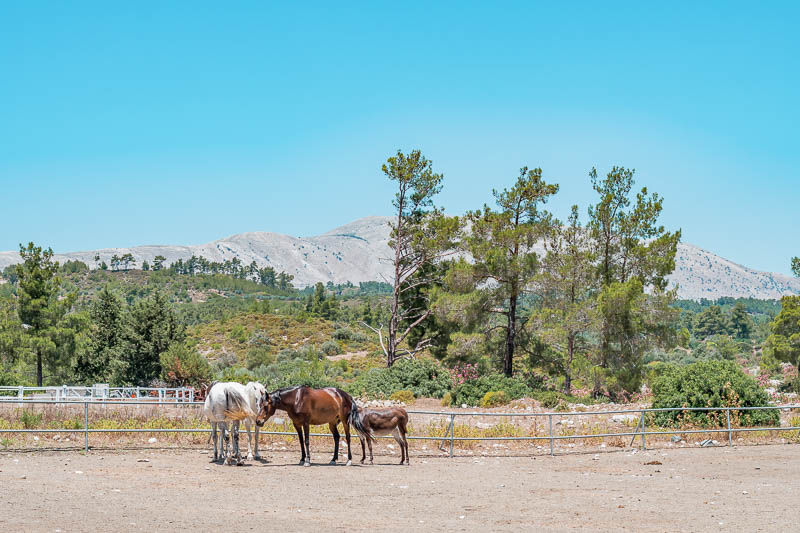
At the horse farm called Faethon Miniature Horses Farm near Archangelos, you can visit these endangered animals and see for yourself the remarkable work of the team led by Jakobos and his wife Hachoula. Since 2001, they have been selflessly dedicated to preserving these animals, thereby safeguarding a cultural heritage of Rhodes.
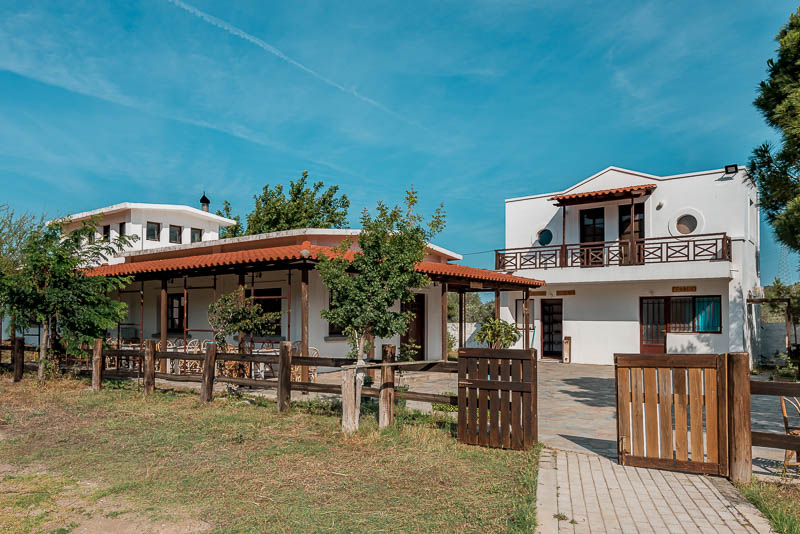
While elsewhere in the world such a species would be a real draw for visitors, the miniature horses on Rhodes are largely unknown to tourists and even to locals. Building a stable population, however, takes a lot of time and money.
There is virtually no funding from the Greek government or the island’s administration. Private donations therefore support the valuable work being done on site. Visits are possible daily from 9:00 a.m. to 8:00 p.m. without an appointment, and admission to Faethon is free.
Together with the staff (including the endearing one-legged elderly man Georgios), visitors can feed the animals, and informational materials are available on site. Since the focus is on the conservation breeding of this miniature horse breed, the horses’ wild nature is to be preserved.
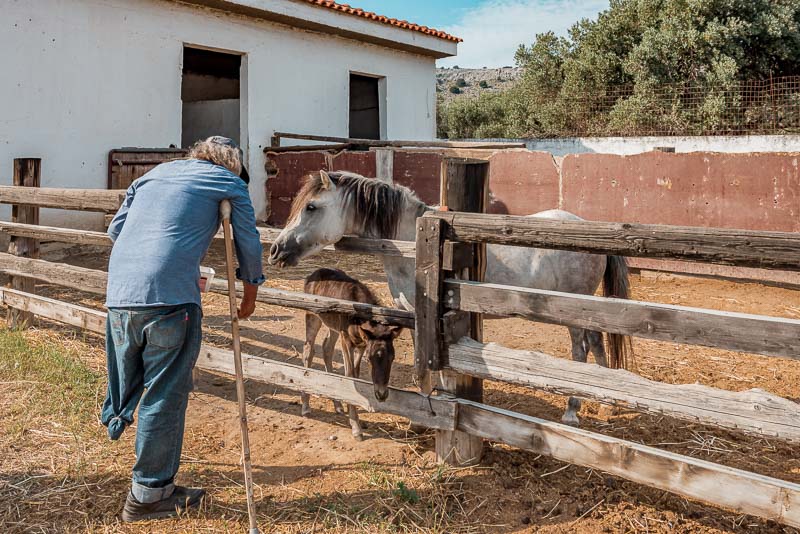
The conservation farm is therefore not a petting zoo; the horses are very spirited and some can be bitey, so it’s essential to keep a safe distance! For us personally, the visit to Faethon Farm (also known as Phaethon) was one of the most memorable experiences on Rhodes.
→ More information about the miniature horses of Rhodes can be found here: Small Horses and Faethon Facebook
#8 Lindos: Rhodes’ Most Beautiful Village
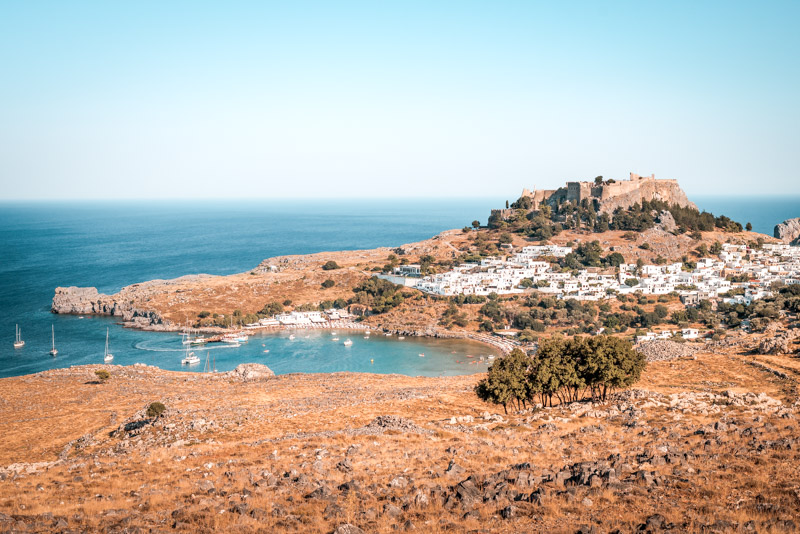
Coming from the north, you can see the little town of Lindos with its pretty whitewashed houses from a distance. Lindos is a popular destination on Rhodes and gets particularly crowded in July and August due to the many organized Lindos bus tours.
If you’d like, you can join an organized bus or boat tour to Lindos and avoid driving there yourself. You can book the tour here*.
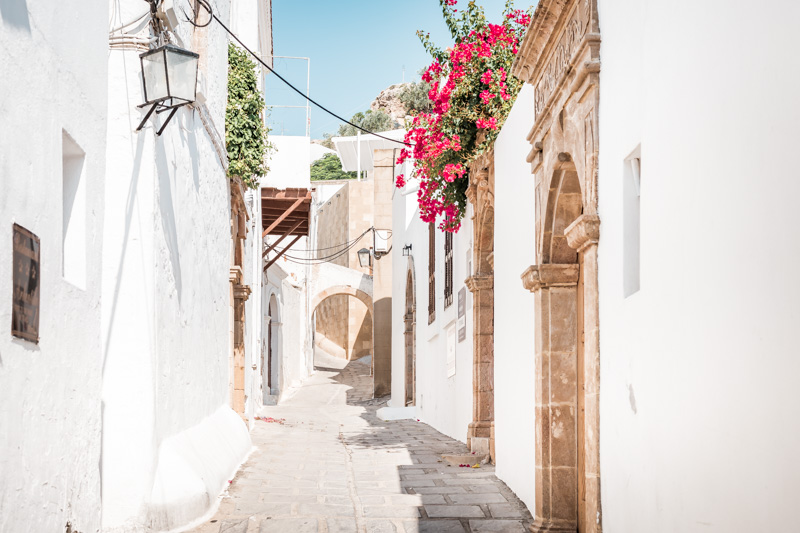
If you arrive in Lindos before 9:00 a.m., you’ll be rewarded with a pleasantly peaceful atmosphere. Stroll a bit through the narrow streets of Lindos and soak up the picturesque atmosphere. Without the crowds, the place will stay with you for a long time.
→ For more information about Lindos and the Acropolis, see our separate article: Lindos on Rhodes
Acropolis of Lindos
The landmark of Lindos stands majestically above the town on a 116-meter-high hill. The Acropolis of Lindos is one of Greece’s top attractions. Thanks to its well-preserved structures and the magnificent views from the top, it’s worth a visit even for those who aren’t history buffs.
- Lindos Acropolis Hours: 8:00 a.m. – 8:00 p.m. (Apr. – Oct.) | Admission: 20 €
#9 Epta Piges, Eleousa & Profitis Ilias
If you’re staying on the east coast and want to explore the western part of Rhodes, it’s worth taking the picturesque route through the interior via Eleousa and Profitis Ilias. The drive takes you through lush vegetation and beautiful forests.
Just 5 km outside the village of Kolymbia, our first stop is the so-called Seven Springs (Epta Piges). This charming forest on Rhodes, with its bubbling springs and a lake, is unfortunately very crowded during peak season. The natural surroundings of Epta Piges lose all their charm due to the heavy influx of tourists in the summer.
→ Find all the information about the Seven Springs of Rhodes in our article: Seven Springs of Rhodes
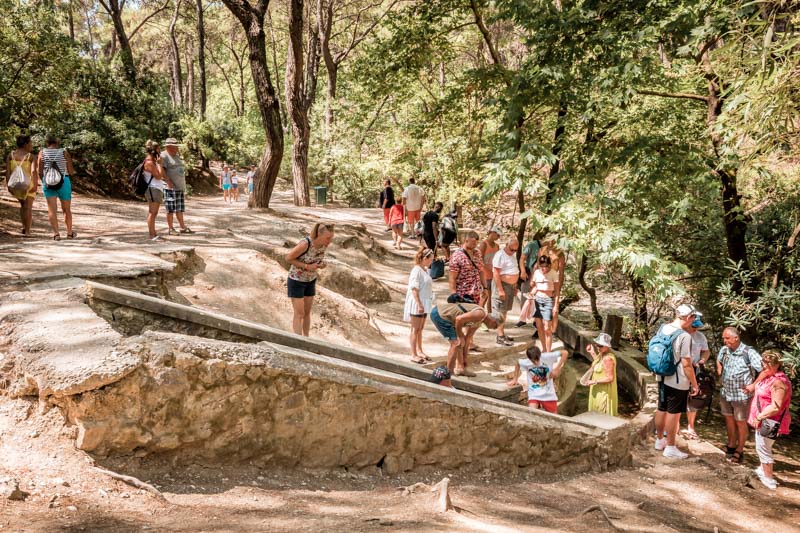
Eleousa on Rhodes
Things are a bit quieter in the village of Eleousa, where you can marvel at the remnants of the Italian occupation. In the 1920s, the Italians wanted to turn Rhodes into a model resort.
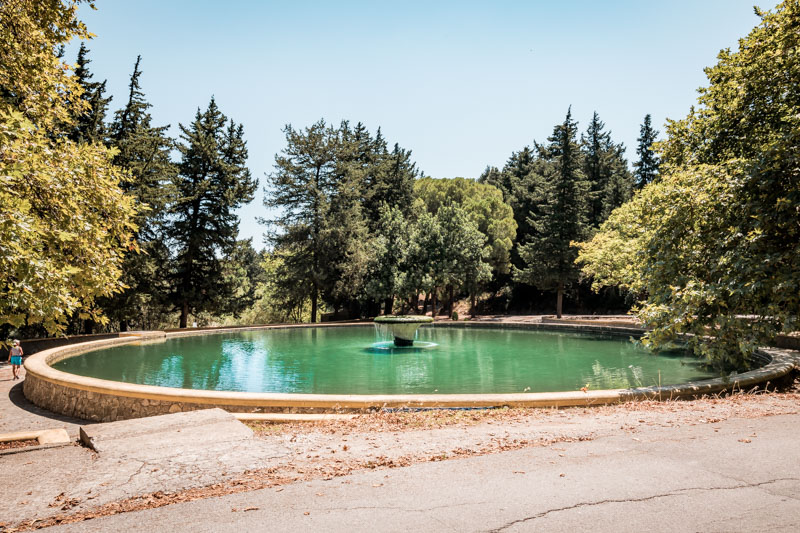
As you leave Eleousa, you’ll pass an artificial pond. The large basin with the miniature fountain was created by the Italians as a park. Today, the pond is home to the Gizani, a small fish considered a true master of survival.
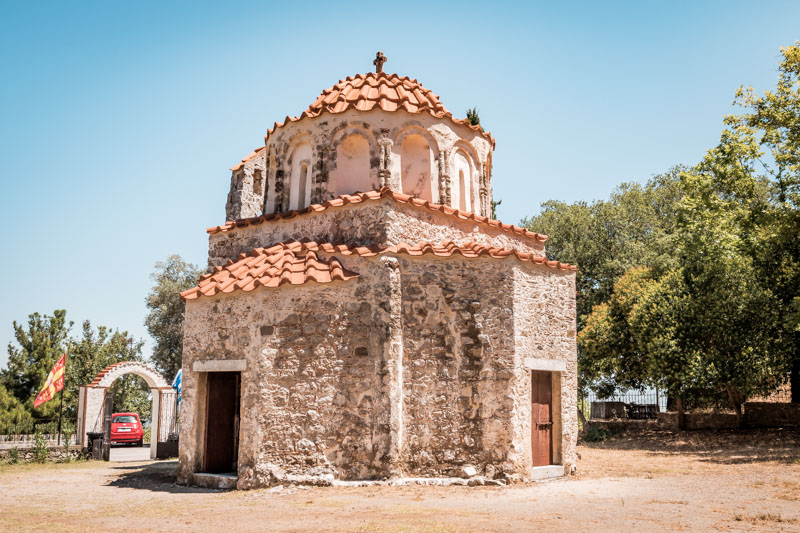
The trail continues past the old Byzantine chapel of Agios Nikolaos Fountoukli, nestled in an idyllic setting of fig and olive trees.
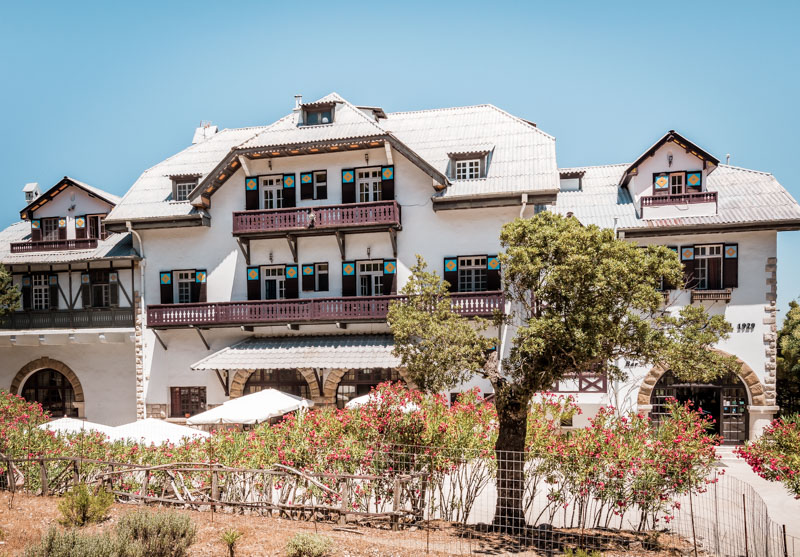
An atmosphere reminiscent of the Black Forest awaits you in the area around Profitis Ilias. Nestled in a dense coniferous forest stands the Hotel Elafos (Greek for “deer”), built by the Italians, and across from it, the Café Elafaki (Greek for “fawn”). The café is not recommended because it is expensive and the quality is poor.
Above it lies the Villa de Vecchi, now an abandoned haunted house and a real gem for “lost places” photographers. Above that stands a second haunted villa. The buildings are extremely dilapidated—enter at your own risk!
To explore the mountainous hinterland of Rhodes on your own, a rental car is essential. You can check prices here*.
#10 Kamiros and Kritinia
The route then continues via Salakos to the ancient city of Kamiros. A visit to the archaeological site is especially worthwhile for history buffs. Kamiros is one of Rhodes’ most significant archaeological sites and, after Lindos and Ialysos, was once the smallest of the island’s three city-states.

Kamiros was inhabited as early as about 3,500 years ago, but was then almost completely destroyed by an earthquake (see article: Greece Earthquake) in the 2nd century A.D. The ruins of the Hellenistic city today stretch along a pine-covered hillside, offering views of ancient temples, columns, cisterns, and dwellings.
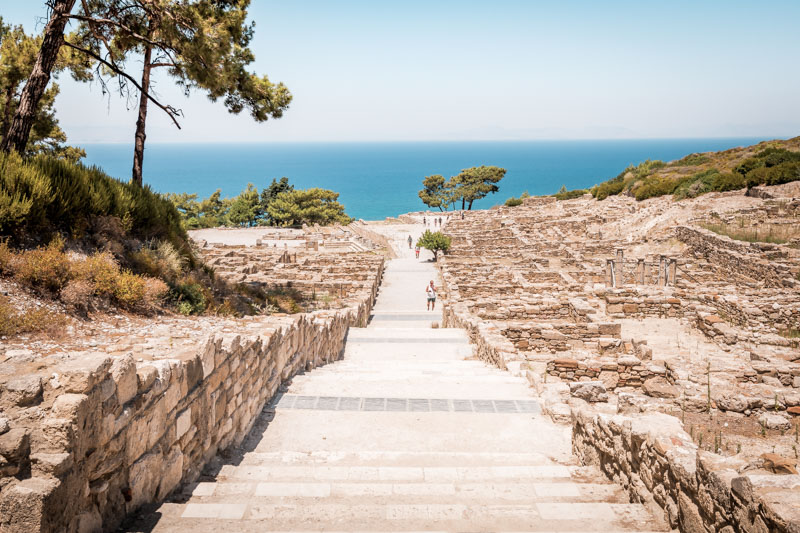
On the highest level lies the ancient Acropolis of Kamiros, from which you can enjoy a beautiful view of the deep-blue Aegean Sea. Artifacts from the site are on display at the Archaeological Museum in Rhodes Old Town.
- Opening hours for Ancient Kamiros: 8:00 a.m. – 8:00 p.m. (Apr.–Oct.) | Admission: €10
→ You can find more popular excursions on Rhodes in our separate post: Rhodes Excursions and Tours
Kritinia Fortress
For castle lovers, Kritinia Fortress—just 15 km south of Ancient Kamiros—is a must-see. Perched atop a massive rocky outcrop since 1472, the walls of a Knights of St. John castle—also known locally as Kastellos—offer free admission and a magnificent panoramic view across the west coast all the way to the neighboring island of Chalki.

Steep stairs lead down to the unspoiled grounds, which are not secured by fences, so please exercise caution with small children. Sturdy footwear is also recommended. Below Kritinia Castle, right next to the parking lot, was Georgios’s Kritinia Cafe, which unfortunately closed for good in May 2024. The new café is not recommended due to its unreasonable prices!
- Kritinia Fortress Hours: Open daily, free admission
Day Trip to Chalki
It’s about 2 km from Kritinia Kastro to the coastal village of Kamiros Skala, which consists of just three taverns and a large concrete pier. But from here, there are daily ferry connections to the picturesque neighboring island of Chalki, which is just a stone’s throw away.
→ Check out our tips for Rhodes’ neighboring island here: Chalki

Chalki calls itself the “Island of Peace and Friendship” and has only a few hundred residents. Yet this neighboring island of Rhodes is home to Emborio, one of the most beautiful towns in Greece. Thanks to the short ferry ride (about 40 minutes), Chalki is an excellent destination for a day trip from Rhodes.
Trips to Chalki can be booked at many hotels or at the harbor in Rhodes Town. Independent travelers who want to make their own way to Chalki can find information on departure times here: Nissoshalki

The Wine Village of Embonas
From Kritinia, it’s a 20-minute drive along the foothills of the mighty Attaviros Mountains to Embonas. Even from a distance, you can see the village of 1,000 residents, which is considered Rhodes’ wine village. Even though the rapidly growing town doesn’t exactly invite you to linger, a wine tasting at one of the numerous wineries is a must-do on Rhodes.
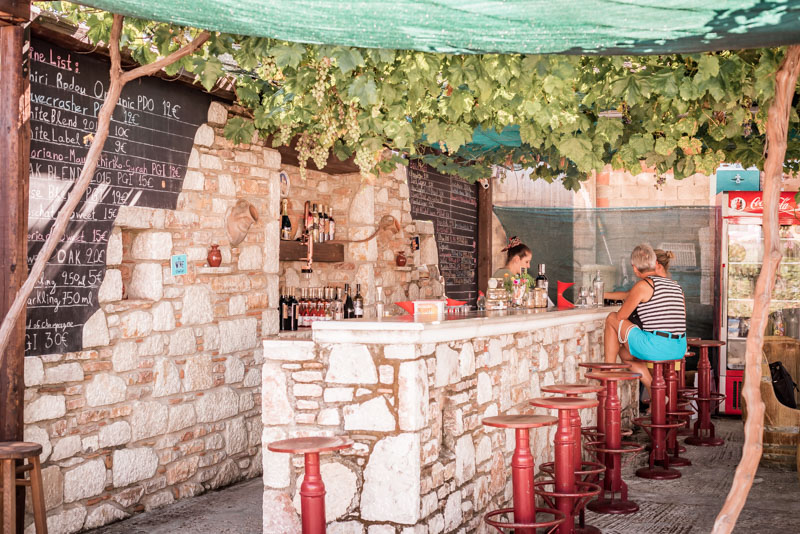
We stopped at the Kounaki Wines winery and tasted some excellent wines. The oldest winery on Rhodes is a family-run business where we received a very warm welcome. A bottle of wine costs between 10 and 20 euros. Kounaki also offers homemade spirits and craft beer. Wine tastings start at 5 euros per person.
→ You can book a private wine tour on Rhodes online through Kounaki Wines.
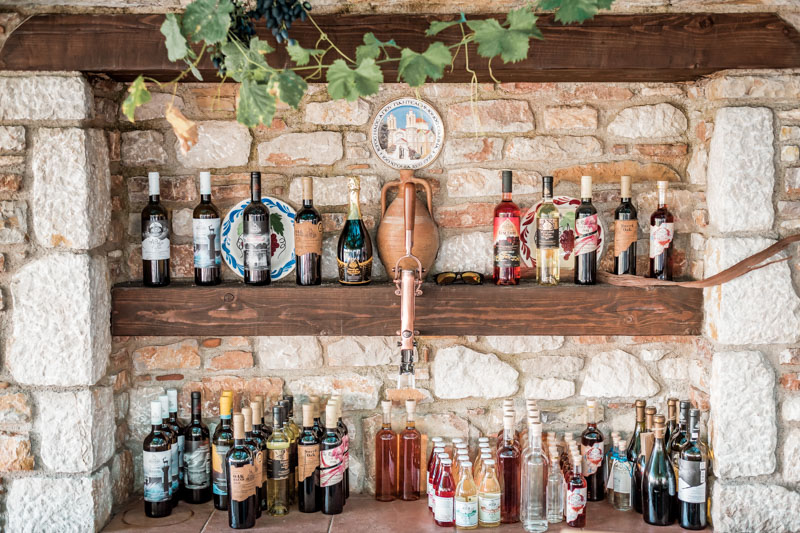
Since tour buses also make daily stops at the wine village of Embonas, we recommend visiting first thing in the morning or in the late afternoon.
For anyone interested in a guided wine tour to Embonas, we recommend a small-group or private tour. You can book the tour here*.
#11 Asklipio and Laerma
For us personally, the central mountainous region in the south of Rhodes is the most charming part of the island. Even though the area around Laerma and Asklipio lost some of its natural beauty due to the 2023 wildfire on Rhodes (more info at: Wildfires in Greece), it remains a must-see for those seeking peace and quiet and nature lovers.
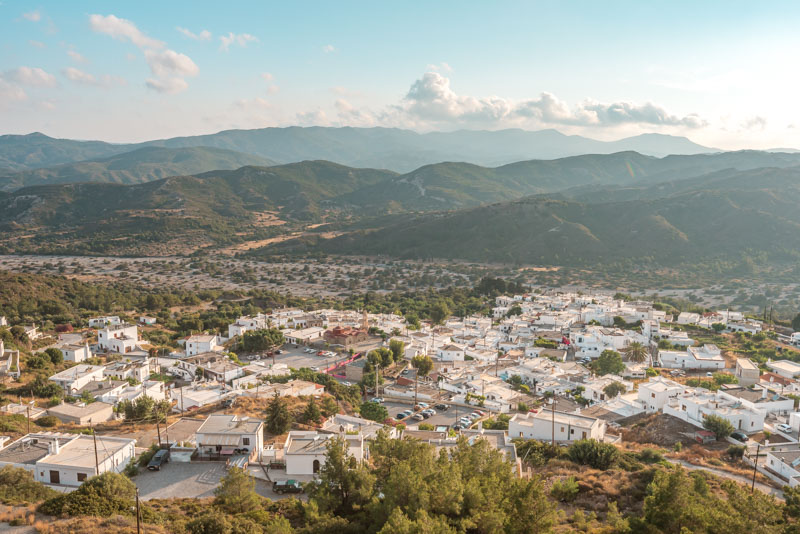
Only a few minutes separate the lively coastal town of Kiotari from the tranquil village of Asklipio, and yet the two places are worlds apart. Asklipio has retained its charm to this day, and even in the summer, it remains surprisingly quiet here. The village of 500 residents is picturesquely situated on a mountainside and is dominated by the ruins of a small castle.
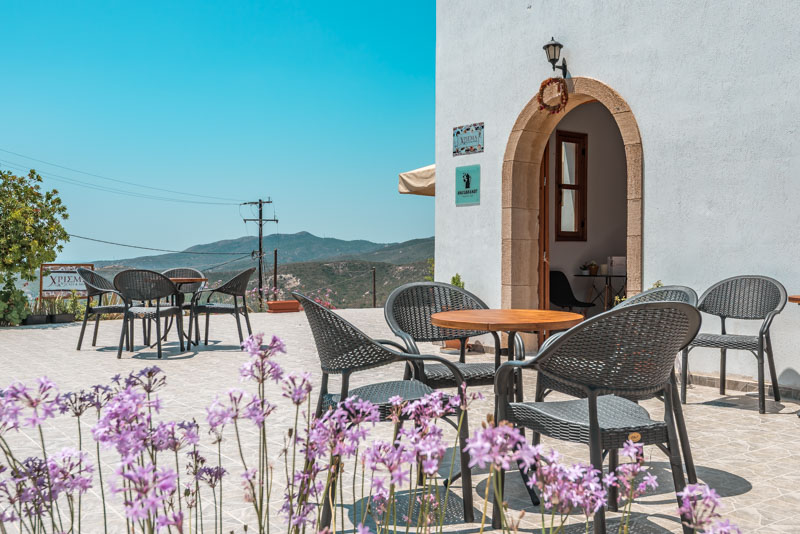
A stroll through the narrow, whitewashed alleys is well worth it. A handful of traditional taverns and cafés (tip: Chrisma) cater to your culinary needs. Highlights are undoubtedly the Kastro above the village and the Church of Kimisis tis Theotokou on the village square, which was built in 1060 and is one of the oldest churches on Rhodes.

You can reach the Kastro in about a 15-minute walk from the village square. Admission to the Castle of Asklipio is free, and it’s especially worth visiting in the evening, as the view from the castle ruins (15th century) is phenomenal. In ancient times, a temple dedicated to Asclepius, the god of healing, likely stood here—hence the village’s name.
✓ Full coverage & unlimited mileage included
✓ Free cancellation until 24h before pickup
✓ Best price guarantee via Discover Cars
Visiting Laerma
From Asklipio, continue west into the green heart of the island of Rhodes, where you might just come across Rhodes’s heraldic animal—the Dama-Dama deer. After about a 15-minute drive along winding roads, you’ll reach Thari Monastery, which, at 1,000 years old, is one of the oldest monasteries in Greece. Just 2 km past the monastery, you’ll arrive in the mountain village of Laerma.

Due to its high elevation, it can be up to 5 degrees colder in Laerma than on the coast. The Platanos tavern on the idyllic village square is a great place to relax. The owner, Takis, speaks German and has plenty of tips for the region. Together with his wife Elpida, horse lovers of all ages can go on horseback rides at Elpida Ranch. We had a wonderful day together as a family at Elpida’s!
→ Are you traveling to Rhodes with kids? Then in this post, we’ll share our top picks for your family vacation on the island: Rhodes with Kids
#12 Monolithos: The Knights’ Castle of Rhodes
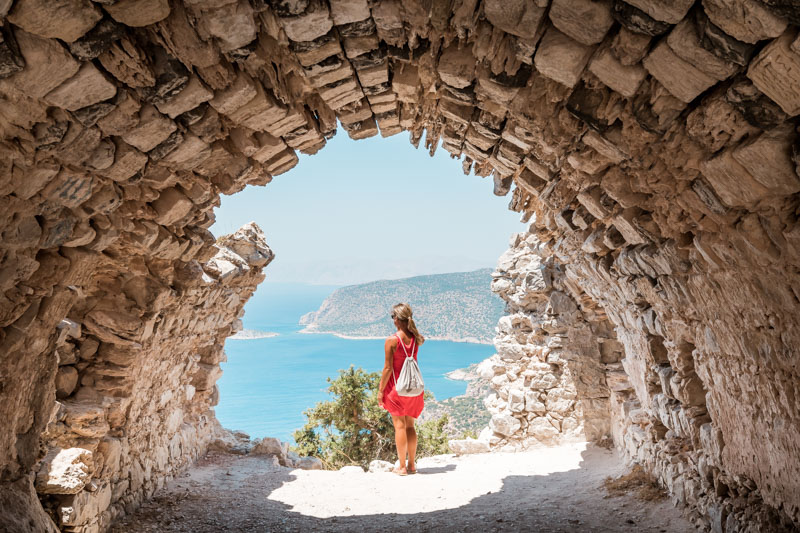
An absolute highlight of Rhodes are the ruins of the Monolithos Knights’ Castle in the far west of the island. On the way there, you’ll pass through the village of Monolithos, and shortly afterward, the striking rock formation catches your eye—the scenery is magnificent and rightly a major attraction for vacationers. Many of the classic Rhodes island tours make a stop here.
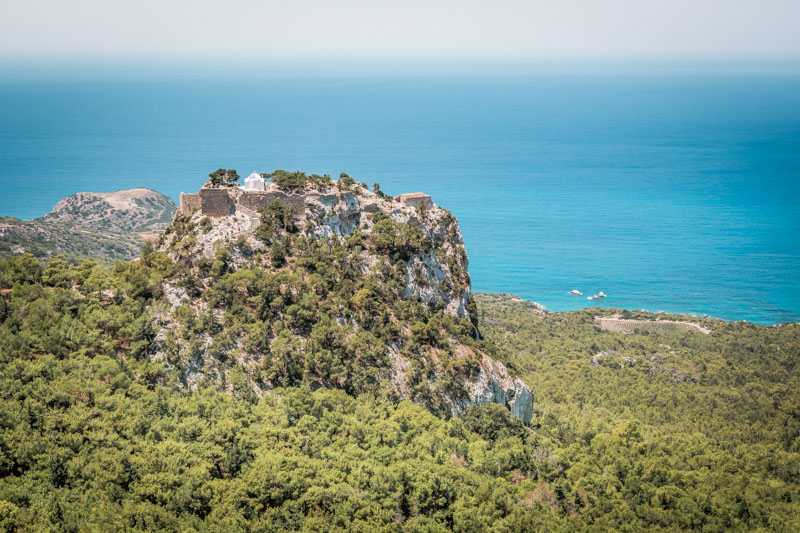
The castle was built in the 15th century by the Knights of St. John on a single rock (Greek: mono lithos) standing 236 meters high. Not much remains of the Knights’ former fortress, but it’s still worth the climb up several flights of stairs to the highest point, where the whitewashed Agios Panteleimon Chapel stands.
→ For complete information about Monolithos Castle and its surroundings, see our article: Monolithos, Rhodes
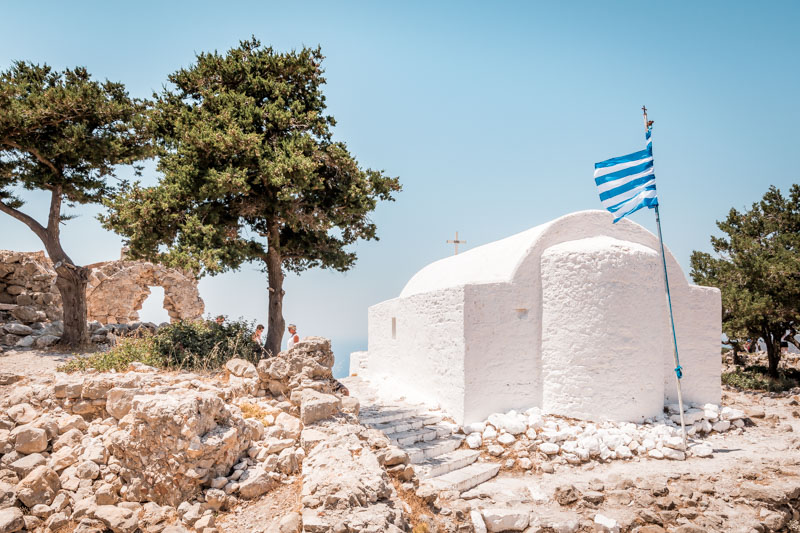
On the grounds of the Castle of Monolithos, you can still see remnants of the castle walls, ruins of buildings, and a cistern. Unfortunately, the open round arch of a former castle chapel is no longer accessible due to the risk of collapse.
Admission to the Monolithos castle ruins is free. At the base, you’ll find a simple snack bar and tavern called The Castle, as well as free parking. If you have the chance to stay in Monolithos until sunset, a truly unique spectacle awaits you—though unfortunately, this is no longer a hidden gem on Rhodes!
The Honey Village of Siana
This mountain village in the southwest of Rhodes is the perfect place to combine with a visit to the Monolithos castle ruins and the Apolakkia coast. Thanks to its culinary delights, tourism has also taken hold in Siana. A stop in Rhodes’s so-called “honey village” is definitely worth it.
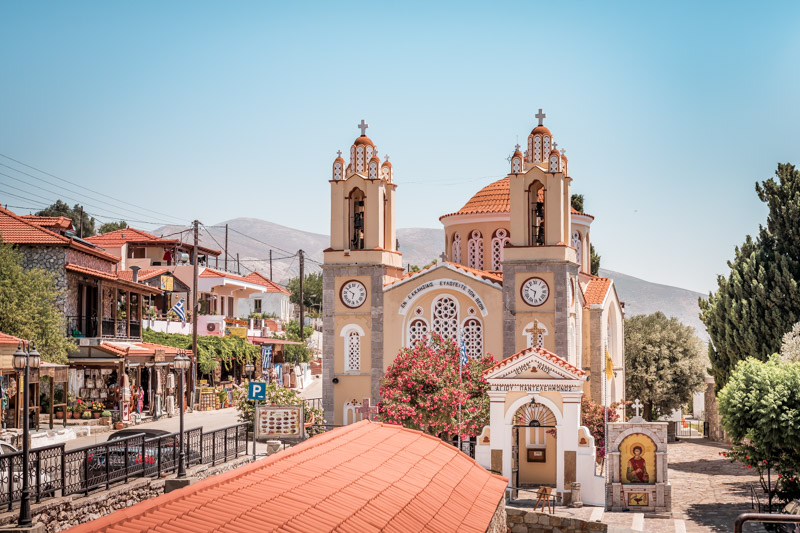
A must-see in Siana is the magnificent Church of Agios Panteleimon (patron saint’s day on July 27) with its impressive murals. Right next door is the old church of the same name, which is also worth a visit but is occasionally closed.

In Siana, you can sample thyme honey from Rhodes. Numerous shops and stalls line the main street. We stocked up on plenty of souvenirs—such as homemade olive oil and delicious honey—at the Natura Maria Shop and the Beehouse Shop (both owners are named Maria).
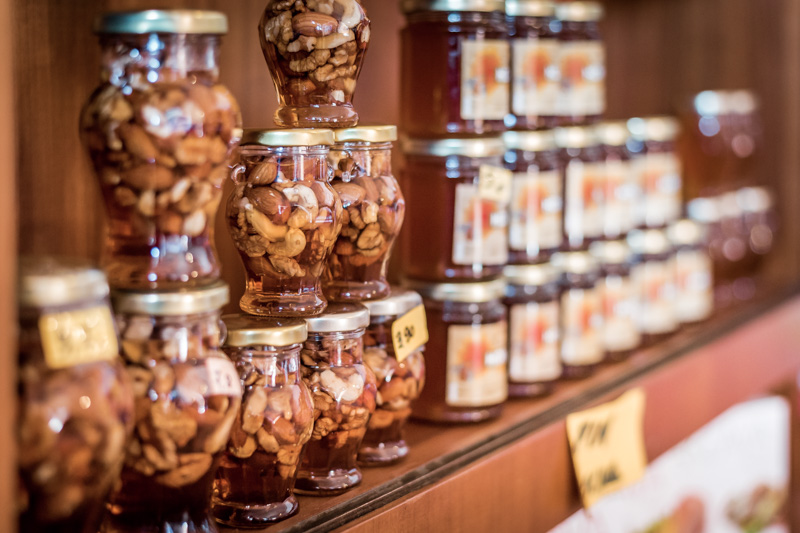
In the mornings, the tranquil village is still pleasantly quiet, but starting at noon, numerous tour buses arrive and the small town can get very crowded. Those seeking peace and quiet are then drawn to the nearby mountain villages of Ag. Isidoros, Profilia, and Istrios, where you can rediscover traditional Rhodes.
#13 Cape Fourni
If you drive past the castle ruins and continue down the road toward the coast, you’ll pass several beautiful swimming coves. The unspoiled Alyki Beach is a bit quieter than the neighboring beach at Fourni. Sun loungers and umbrellas are set up on the pebble beach, and the operators keep the cove clean.
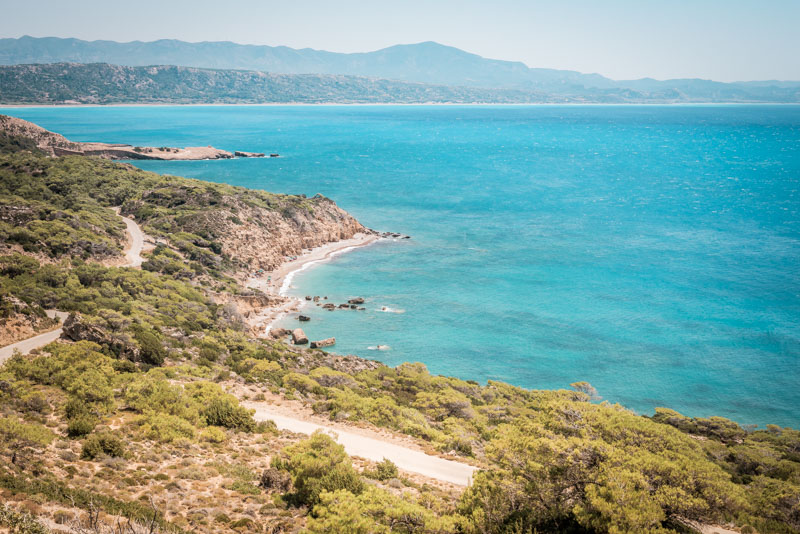
If you walk along the cliffs at Cape Fourni down to the sea, you can also marvel at ancient burial chambers and a cave chapel from the early Christian era. The rugged headland with its bizarre sandstone formations is usually windswept; enter at your own risk.

#14 Apolakkia Reservoir
True Rhodes explorers should definitely not miss the region around Apolakkia. Apolakkia is known as the center of melon cultivation on Rhodes. The delicious watermelons of Rhodes (Greek: Karpouzia) are grown here along the coast in large fields. There are a few street vendors where you can buy fresh melons.

About 4 km north of the unassuming farming village of Apolakkia lies the Apolakkia Reservoir, surrounded by lush nature and bizarre hill formations. Few tourists venture into this secluded area. The dam was built in 1989 to supply the surrounding farms with sufficient water during the summer months.
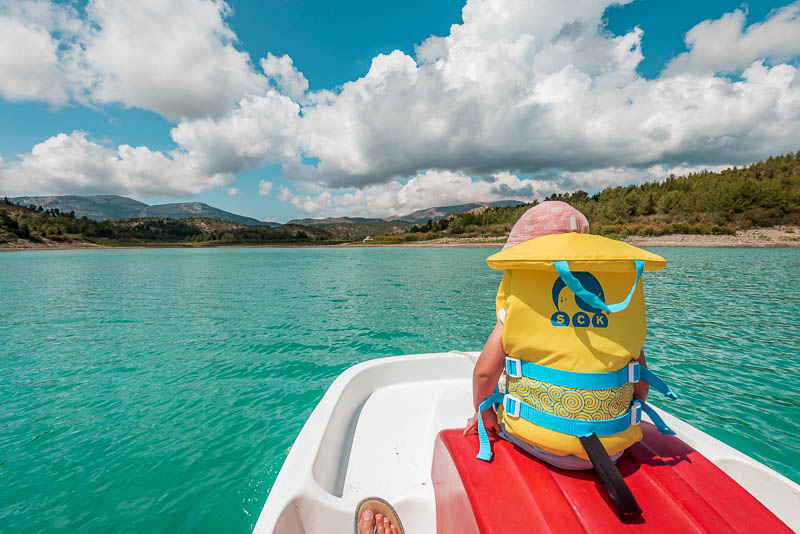
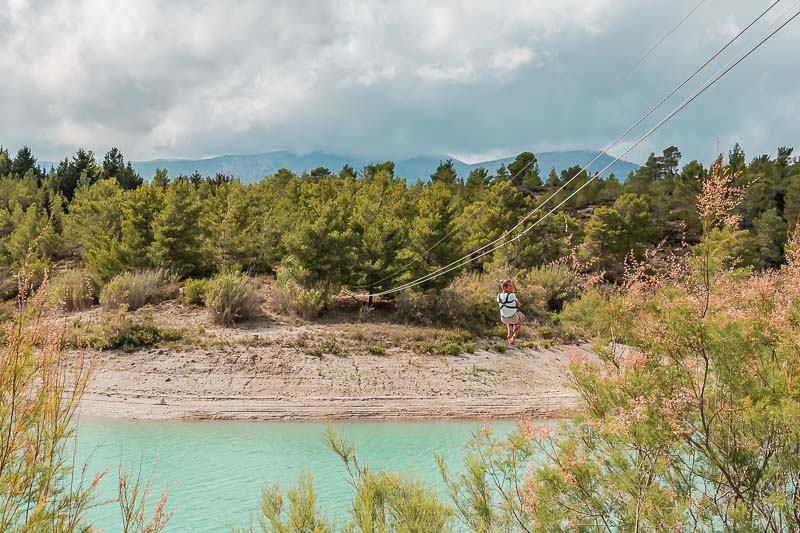
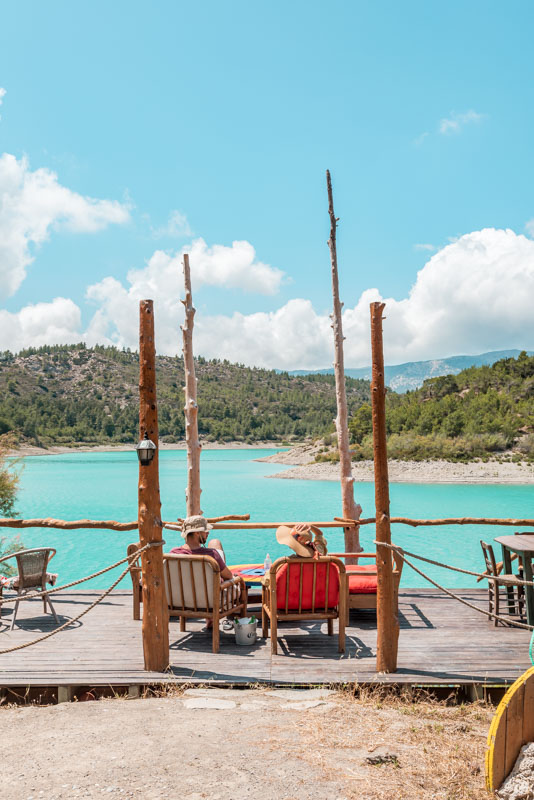
The beautiful reservoir, which has also been used as a recreational area for several years, impresses at first glance with its enchanting cyan-blue color. At the dam, Rhodescape Park offers an extensive recreational program for all ages, including archery, zip-lining, pedal boating, and horseback riding.
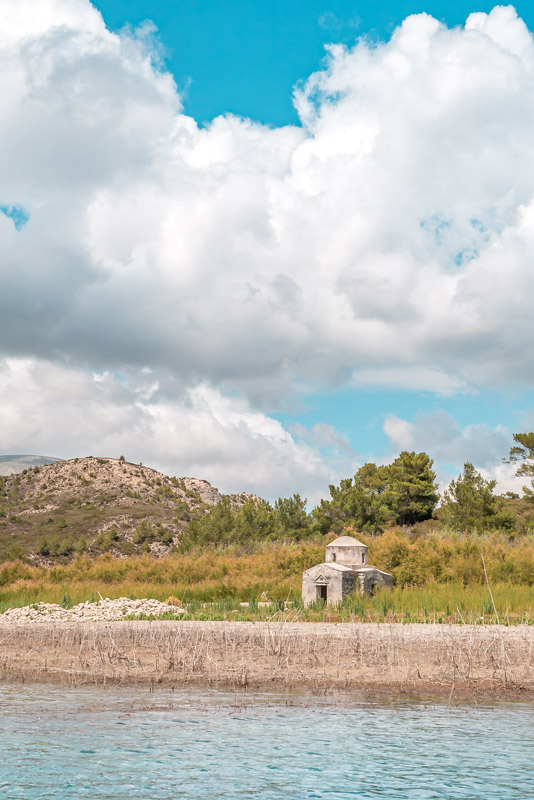
Or you can simply enjoy the tranquility and admire the Byzantine church of Kimisi tis Theotokou in the northern part of the lake. It’s a remnant from the time before the valley was flooded. You can also find delicious homemade pizza and cold drinks on site. All the information about the Rhodes adventure park can be found on the Rhodescape Facebook page.
A Journey Through Time in Mesanagros
Just past Apolakkia, a narrow dirt road branches off the coastal highway into the mountains, leading to the picturesque Moni Skiadi Monastery (open daily from 8 a.m. to 8 p.m.). A short while later, you’ll reach the sleepy mountain village of Mesanagros. At the Village Café in the village center, you can treat yourself to a Greek coffee or a cool drink.
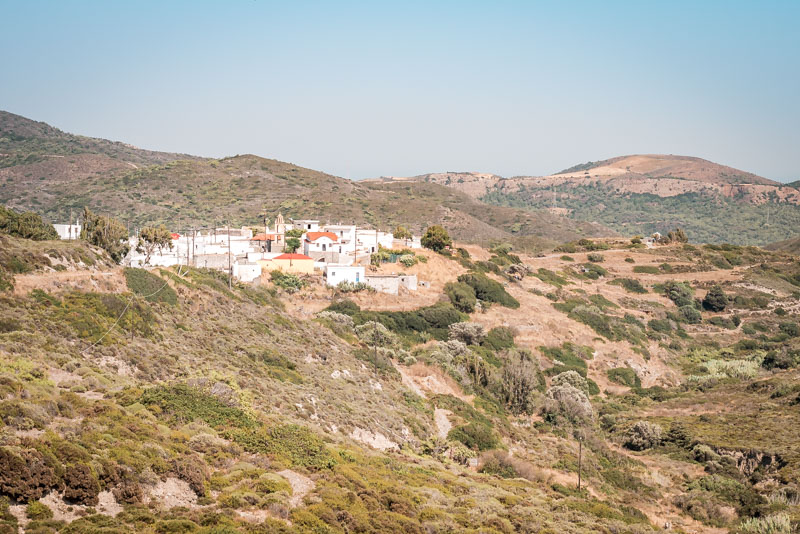
Right next to the café is the Church of the Assumption (13th century), featuring an impressive mosaic floor and an early Christian baptismal font. As a tourist in this village of just 65 residents, you’re something of a rarity, yet the locals are delighted to welcome every visitor. For us, the village was one of the most relaxing places on Rhodes, if not in the entire Dodecanese.
🗺️ 12 Islands with maps
🏖️ Beautiful beaches & swimming spots
🏛️ All top sights & attractions
🔍 Our best planning tips
🍽️ Accommodation, tavernas & cafés
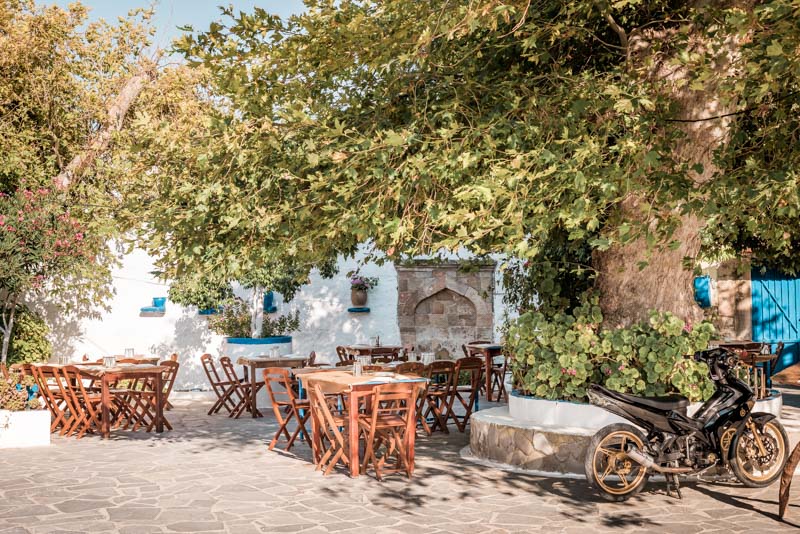
#15 Lachania: Authentic Rhodes
The village of Lachania, about 3 km from the sea, exudes a very special charm and is arguably a dream destination for independent travelers in Rhodes who want to explore the island off the beaten tourist path.
Many of the old stone houses have been lovingly restored and are now home to artists and free spirits from all over the world. Lachania also offers several charming Rhodes vacation homes and apartments. This artists’ village on Rhodes is perfect for anyone looking to spend their Rhodes vacation far away from the hustle and bustle.

The village square in Lachania looks like something out of a picture book. Pure Greek idyll with a large plane tree, whitewashed houses, a babbling fountain, and the village church. In the evening, the atmosphere at the Platanos tavern over a glass of wine is particularly romantic and is sure to be an unforgettable Rhodes experience.
A night’s stay in Lachania is ideal for anyone who wants to experience Rhodes off the beaten path. You can compare and book hotels here*.
#16 Agios Pavlos
A true gem awaits you on the way from Gennadi via Plimmyri to the southern tip of Rhodes, not far from the farming village of Kattavia. Right off the road lies Café Colonia San Marco, housed in the former Agios Pavlos Monastery, which dates back to the Italian occupation.
Though somewhat unassuming from the outside, inside you’ll find a beautiful courtyard with arcades that invites you to linger. Agios Pavlos, in the arid south of Rhodes, is somewhat reminiscent of a sleepy little village in Spain or Latin America. During our last visit, the Catholic church was under renovation and closed to visitors.
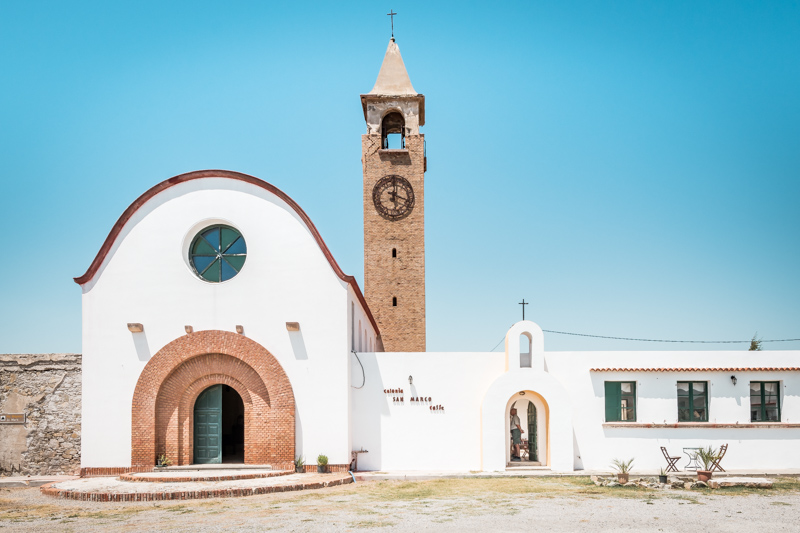
The café owners, Dimitri and his brother Tsambikos, serve guests excellent coffee, small snacks, and cool drinks. The homemade aloe vera juice is especially delicious. A small shop offers regional products, including the pasta for which Kattavia is famous.

Not far from Agios Pavlos are the ruins of an old silk factory (Old Silk Factory), which was temporarily used as a prisoner-of-war camp by the German Wehrmacht during World War II. At lunchtime, you can grab a bite to eat in the village of Kattavia; we recommend the quaint Eftihia tavern.
#17 Prasonisi: Southern Cape of Rhodes
The headland at the very southern tip has long since ceased to be a hidden gem on Rhodes, and so in the summer, hundreds of people flock to the large sandy beach. The windswept Cape Prasonisi is a favorite spot for surfers and kiteboarders. In recent years, several surf schools, taverns, and lodging options have opened in Prasonisi.

The narrow Prasonisi isthmus changes shape depending on the currents and weather conditions. The sandy spit can therefore be washed away for weeks at a time, meaning you can’t walk directly to the offshore island of the same name.
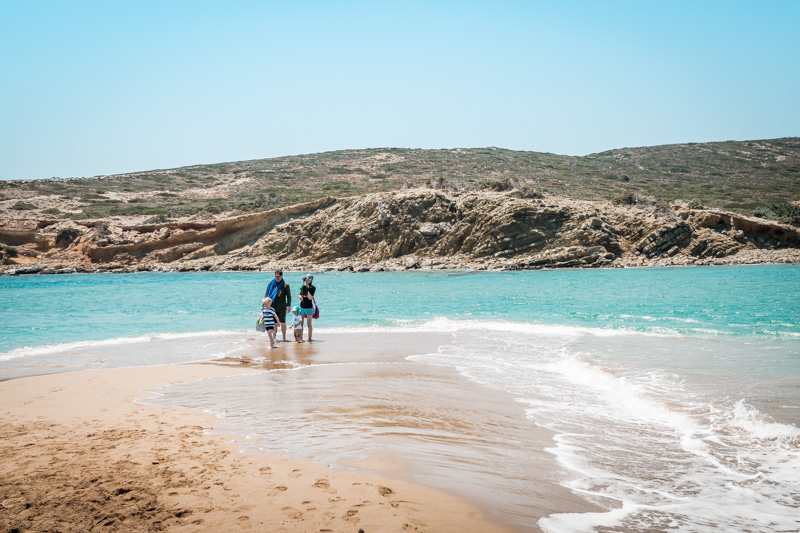
The currents in this strait are very treacherous; we advise against swimming to the other side. It’s best not to take any risks here—there have already been tragic accidents at Prasonisi in recent years! Be sure to allow plenty of time for the return trip to the north of the island; the drive back to Rhodes Town takes about 1.5 hours (90 km).
→ You can find more information about Rhodos, e.g. how to get there, rental cars, accommodations, and the best time to visit here: Rhodes Travel Tips

Rhodes Attractions Video
A very well-put-together Rhodes video by Robert Polasek really gets you in the vacation mood. Enjoy watching it:
🔍 Our final thoughts on Rhodes: We’ve already visited the island of Rhodes four times. Our first trip took us to the capital for a day in 2018, and we were captivated by the medieval charm of the old town. The second time, we explored the island in the summer and were shocked by the crowds, the traffic, and the trash lining the streets. It took two more attempts before Rhodes truly won us over. In 2023, we spent four weeks in May and June thoroughly exploring the island and finally fell in love with it. Especially in the center and in the south (below Lindos), Rhodes showed us its authentic side. What stands out is the extreme hospitality of the Rhodians; in many taverns and accommodations, we felt like part of the family. Filoxenia (Greek for “friend of the stranger”) is still very much alive here! Our most important tip: Rhodes in the height of summer can be frustrating. So, if you can, you should opt for the off-season—that way, the island will remain a fond memory for a long time.
→ You can find an overview of all posts about the island and many more Rhodes tips here: Rhodes Blog
FAQ: Things to do in Rhodes
What are the top sights in Rhodes?
Among the island’s top highlights are the medieval Old Town of Rhodes Town (a UNESCO World Heritage Site), the picturesque village of Lindos with its acropolis, the restored Kallithea Thermal Springs, and Anthony Quinn Bay. The ancient city of Kamiros, Monolithos Castle, and the Seven Springs (Epta Piges) are also among the most popular destinations.
How many days do you need to see the sights of Rhodes?
Since the island is nearly 80 kilometers long, the highlights are spread far apart and can hardly be covered in a single day. One day is enough for the north coast, including Rhodes Town, Kallithea, and Filerimos; another day is needed for Lindos and the east coast. If you also want to see the western part around Kamiros and Monolithos, as well as the southern part down to Prasonisi, you should plan on at least three to four days for sightseeing.
How much does it cost to visit the attractions on Rhodes?
Prices vary widely. The Acropolis of Lindos is the most expensive at €20; admission to ancient Kamiros and the Filerimos Monastery (including Kastro) is €10 each. Admission to the Kallithea Thermal Springs is €5. Note that many ancient sites have longer opening hours from April through October than they do in the winter.
Which attractions on Rhodes are free?
Some of the most beautiful places don’t cost a cent. The castle ruins of Monolithos, the Kritinia Fortress, and the Castle of Asklipio are free to visit, as is the Filerimos Cross with its cypress-lined avenue. A visit to the Faethon Farm near Archangelos is also free, though they welcome donations to help preserve the miniature horses.
Which attractions on Rhodes are suitable for families with children?
On Filerimos Hill, whole flocks of peacocks roam freely, which is especially exciting for younger children. Visiting the miniature horses at Faethon Farm is a real experience, though the animals are spirited and you must keep your distance. At the Apolakkia Reservoir, Rhodescape Park offers archery, zip-lining, and pedal boating, and at Elpida Ranch near Laerma, you can go horseback riding together.
What is there to see in the south of Rhodes?
The south is much more unspoiled than the north coast and, for us, the most charming region of the island. Worth seeing are the mountain village of Asklipio with its Kastro, the artists’ village of Lachania, the village of Mesanagros (population 65), the old monastery of Agios Pavlos near Kattavia, and the windswept headland of Prasonisi. Plan on about 1.5 hours for the return trip to Rhodes Town.
*Support our blog Greece-Moments
This post contains affiliate links marked with an asterisk (*). If you book or make a purchase through one of these links, we receive a small commission. The price remains the same for you. This helps us continue to provide high-quality content for free. Did you enjoy this post and want to say thank you? Then just treat us to the next Greek coffee ☕️ Contribute to the coffee fund
Bookmark this post on Pinterest!