

Heraklion, the largest city on Crete, never sleeps. This is where the heart of the island beats, where history, culture and modernity meet. A city of contrasts, where Mediterranean serenity and hectic city hustle and bustle can be experienced at the same time.
Heraklion, named after the hero Heracles, the son of Zeus, is today one of the fastest growing cities in Greece. When you get used to the modern architecture, you’ll start to really enjoy Crete’s capital.
Tom & Ella
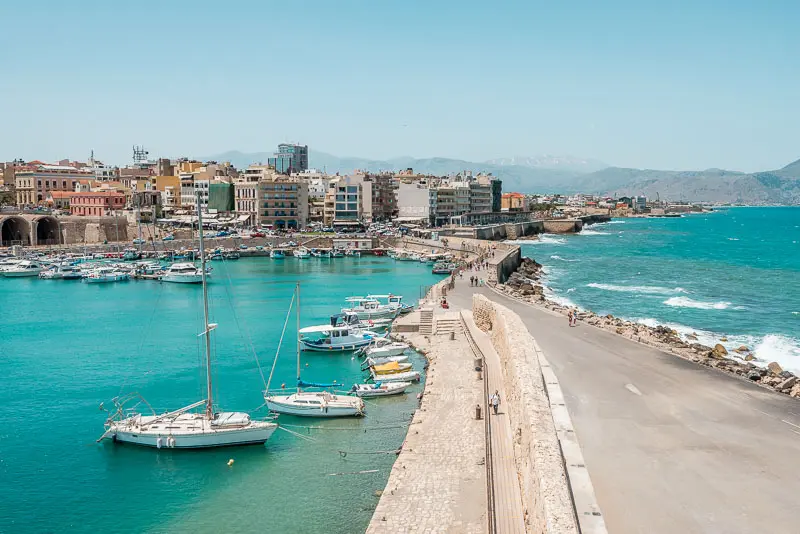
To be honest, Iraklio, as it is colloquially called, we personally did not like at first glance. In fact, it took us three attempts to venture into the Cretan city hustle and bustle. We were too deterred by the dreary concrete façade of the city of 200,000 inhabitants.
Follow us on a walk through the alleys of the city center and find out why Heraklion was able to convince us in the end. We’ll show you the most beautiful corners of the city, the most popular sights, the best restaurants and the hippest bars so that your city trip to Heraklion becomes something very special.
- #1 Venetian Port of Heraklion
- #2 Koules Fortress
- #3 Old Town of Heraklion
- #4 Church of St. Titus
- #5 Venetian Loggia
- #6 Morosini Fountain in Lions Square
- #7 Shopping Street 1866 (Central Market)
- #8 Heraklion Pub District
- #9 Heraklion City Wall (Venetian Wall)
- #10 Archaeological Museum of Heraklion
- #11 Natural History Museum of Crete
- More Heraklion tips
🏖️ Dream beaches & hidden bays
🍽️ Restaurants, tavernas & cafés
🏛️ Must-see highlights & ancient sites
🗺️ Worthwhile spots & insider tips
🚘 Practical info like rentals & parking
♾️ Lifetime access & updates
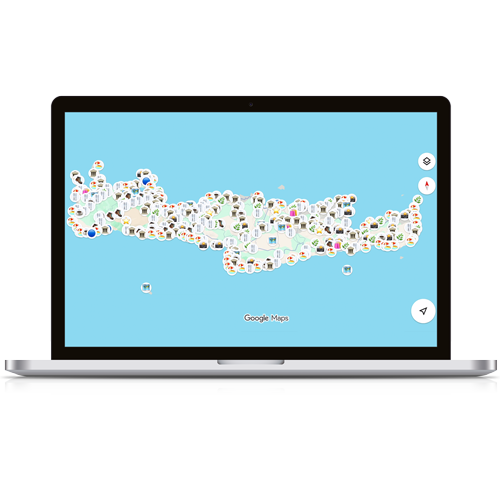
#1 Venetian Port of Heraklion
Even from afar, the city catches the eye with its largely modern architecture. Heraklion is located on the north coast about in the middle of Crete. The island highway leads right past it, so it is easy to reach from all directions.
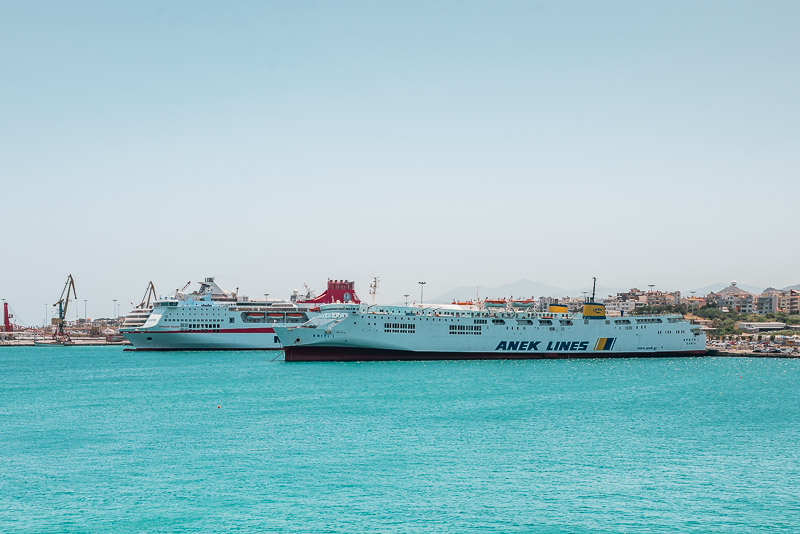
We start our city tour at the large port of Heraklion, where there are sufficient parking spaces, e.g. Parking Port P1 & P2. There is also a paid parking garage near the Natural History Museum, named Heraklion Center Parking.
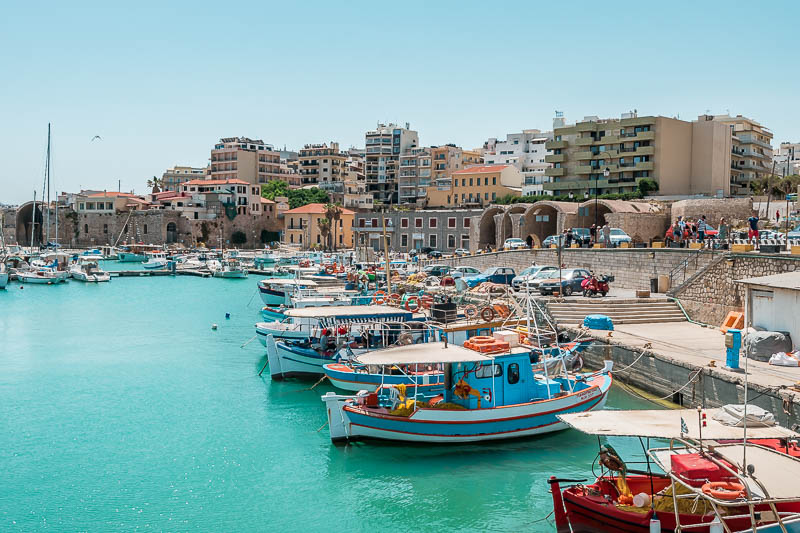
It is not uncommon for large cruise ships and car ferries (including Minoan Lines) to lie in front of the city as huge steel colossus. We start by walking along the Heraklion waterfront and passing the sailors’ marina. Here you can already see the massive fortress Koules at the entrance to the Venetian harbour.
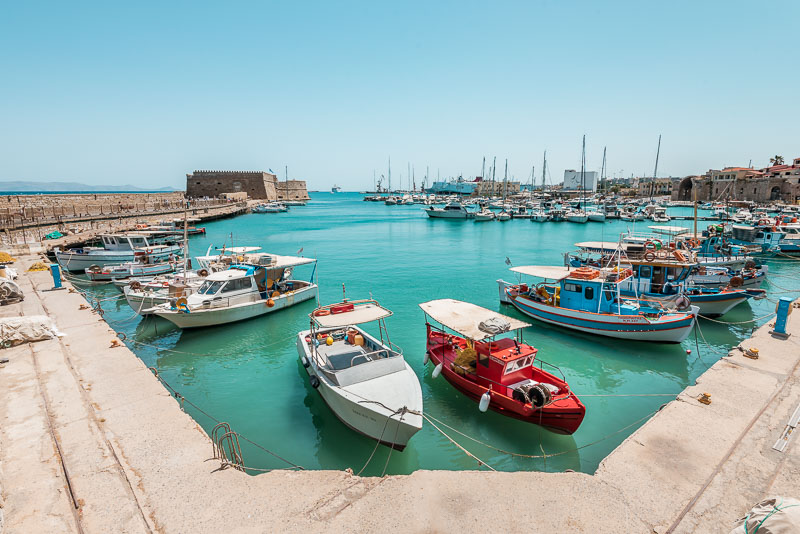
For over 400 years, the Venetians ruled Crete and left their mark everywhere. Unfortunately, not much of the historic building fabric is preserved in Heraklion (see box). Nevertheless, the old Venetian port of Heraklion still has a lot of charm.
Colorful fishing boats bob along the bulbous pier, a few old arsenal and shipyard halls (Neória Vechi and Venetian Dockyards) can be seen, behind them rises modern architecture. A bizarre sight, Greek island feeling paired with big city flair. Above the waterfront, some restaurants and cafés have settled.
💡 Why so much concrete in Heraklion? Heraklion looks back on thousands of years of history, but today has little historical building substance. In ancient times, the port of Knossos was located here, later Romans, Arabs, Venetians and Ottomans left their traces. Their armed conflicts led to the destruction of numerous buildings. In addition, there were several earthquakes and in the Second World War the heavy bombing raids of the German Wehrmacht (Operation Merkur) during the capture of Crete, so that after the war a large part of the city was in ruins.
#2 Koules Fortress
We continue our city tour and visit the Venetian fortress at the entrance to the port. The majestic fortress of Koules is also called Enetikon Frourion Rocca a Mare. In addition to the well-preserved city wall, it is another remnant of an extensive medieval fortification system in Heraklion.
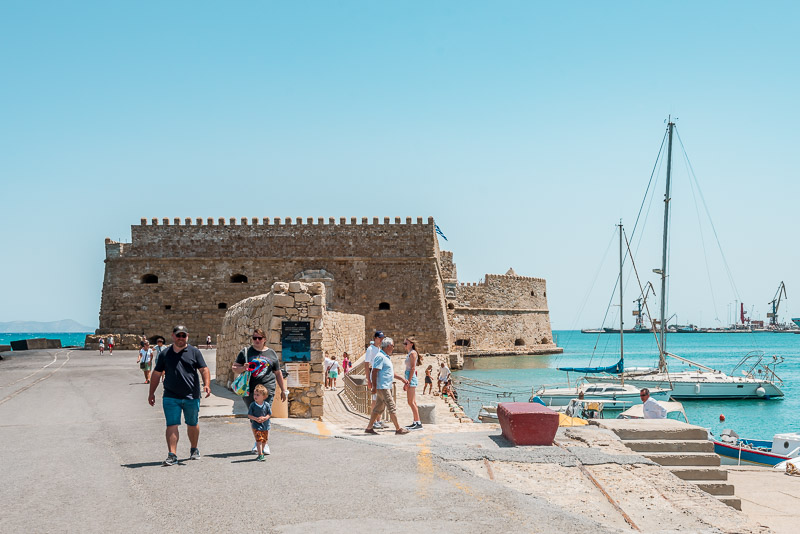
The fortress was built on the walls of a Byzantine complex and was extended several times. It served as a defense against pirates and later as a prison. For two centuries, the Koules Castle of Heraklion was expanded again and again until it received its present form in the 15th century.
In order to finance the construction and make it possible at all, the Venetians obliged all Cretans between the ages of 14 and 60 to work on the construction site for one week a year without pay or food.
In 1669, the Ottomans conquered the city of Heraklion, formerly called Candia. In advance, the Venetians had hired mercenaries from all over Europe to hold the fortress. The siege lasted 23 years and is still considered the longest in world history.
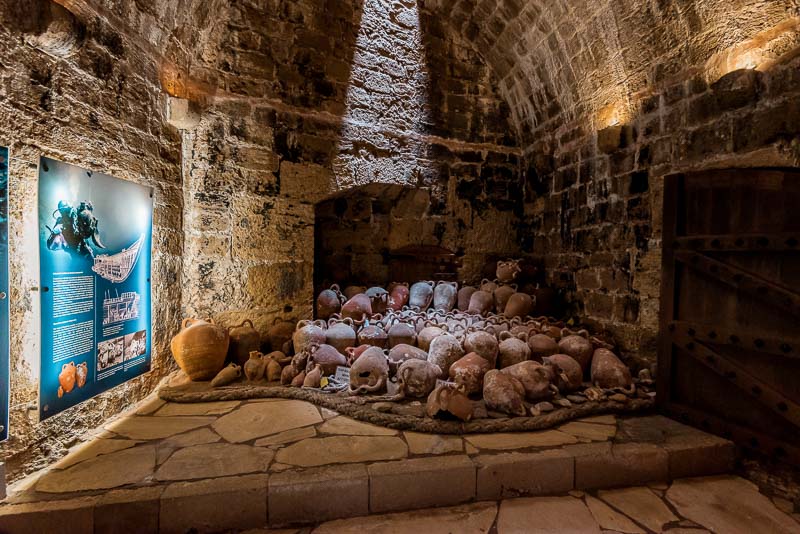
Today, the imposing walls house a museum with finds from different eras, including cannons, vases and marble fragments. In addition, changing exhibitions take place in the atmospherically lit rooms.
- Opening hours Koules Fortress: Wed.-Mon. 8 a.m. – 8 p.m., admission 10 € (reduced 5 €)

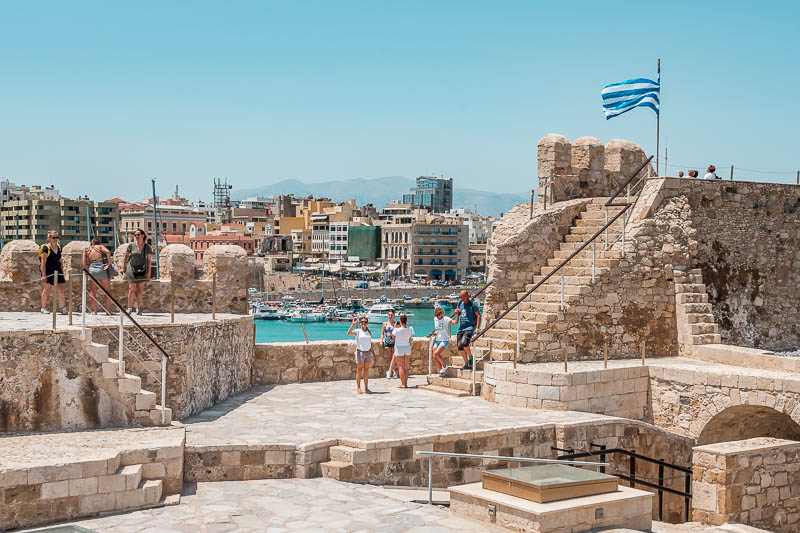
The tour of the complex is quickly done. It is still worth it, because from the upper courtyard you can enjoy a wonderful view of the Venetian harbor and the city as well as to the other side of the sea and the offshore island of Dia, which is also a popular destination for sailors.
Whether by day or at sunset, a sailing trip to the island of Dia is one of the most beautiful excursions from Heraklion. You can book the tour here*.
#3 Old Town of Heraklion
After visiting the harbour, we walk across the pedestrian street 25th Avgoustou to the traffic-calmed city center. The large boulevard is the most important promenade in Heraklion and leads from the sea to the historic city center. Especially in summer and on days with cruise ships, it resembles a pilgrimage mile.
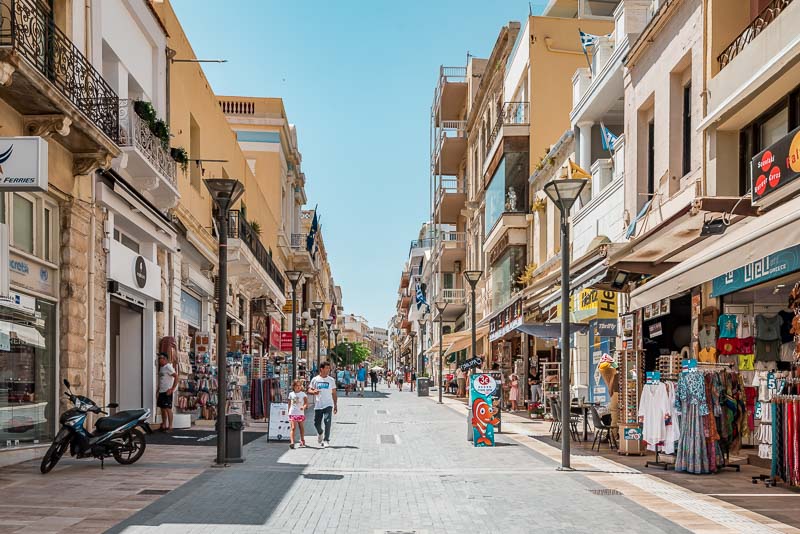
In addition to countless souvenir shops, you will also find boutiques and jewelry stores as well as some shops for daily needs. Historic buildings to the left and right, modern city hotels and trendy restaurants in between, rustic taverns and handicraft shops in the side streets – the atmosphere invites you to take a leisurely stroll, so bring your time.
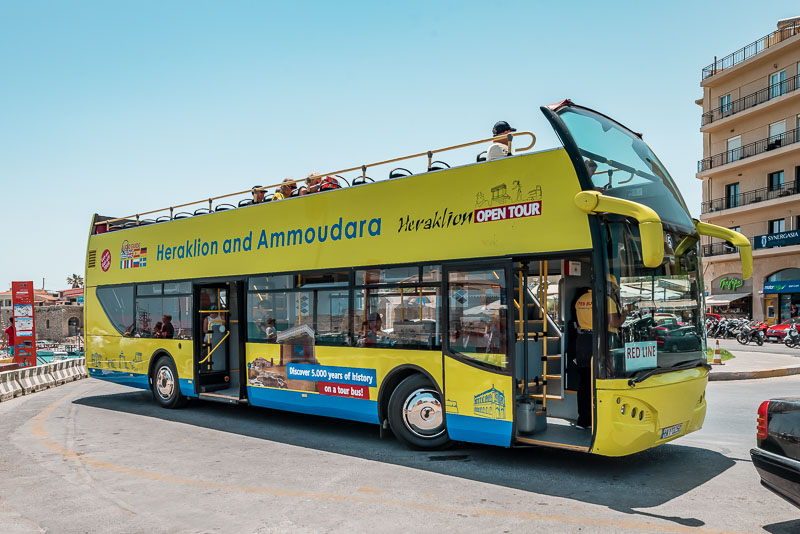
Prefer sitting to walking? Explore Heraklion comfortably with the Hop On Hop Off bus. You can book the tour here*.
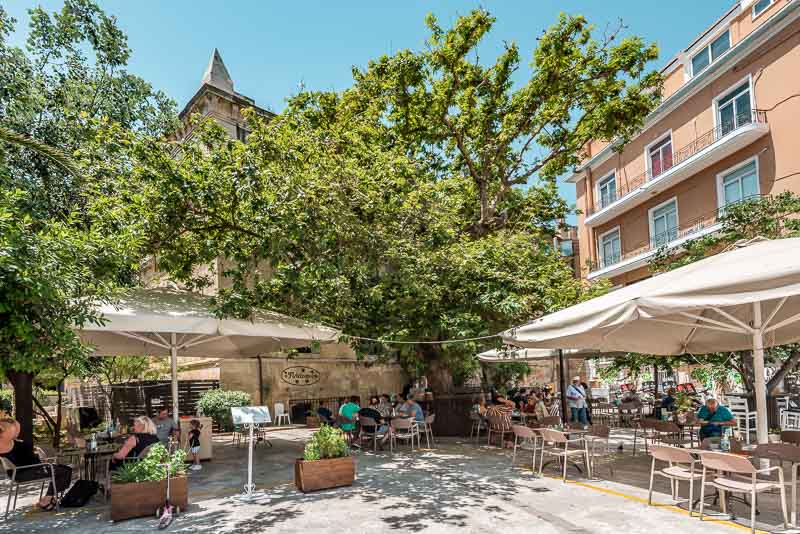
#4 Church of St. Titus
After a short time you will reach an open square where the imposing church of Agios Titos is situated. It is dedicated to St. Titus of Gortyn, the patron saint of the Cretan Church and one of the disciples of the Apostle Paul.
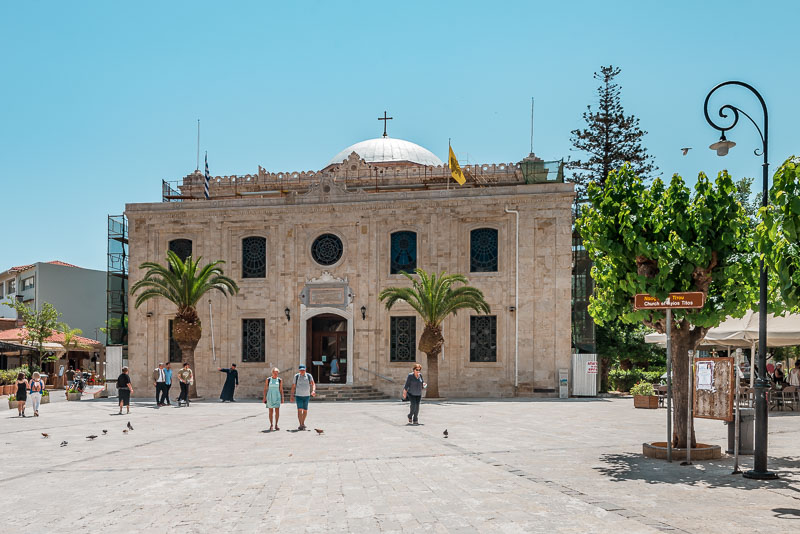
The church has an eventful history behind it and today houses the skull relic of Titos, the first bishop of Crete (1st century AD). As early as the 10th century, there was a church here, which was destroyed by fire in 1544 and rebuilt by the Venetians.
The Ottomans converted the Orthodox church into a mosque in the 17th century, but it was destroyed by an earthquake in 1856 (see article: Greece Earthquake) and was completely rebuilt as an Ottoman-style mosque.
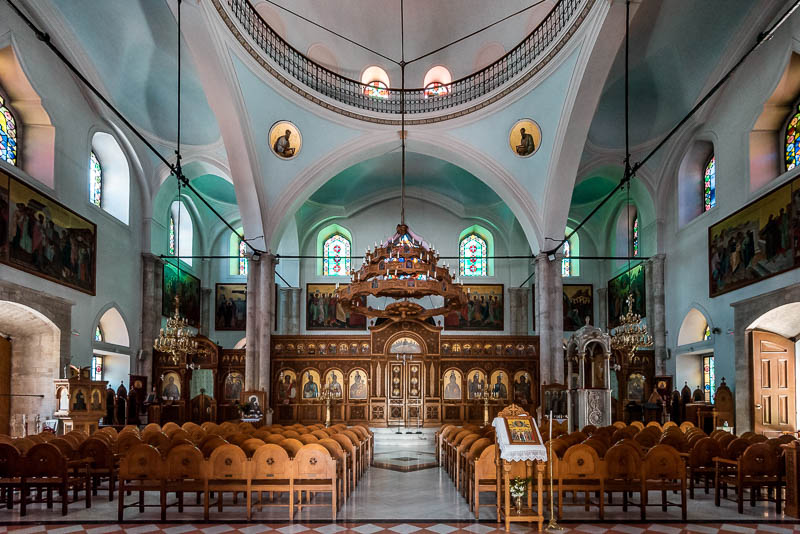
With the great population exchange in 1923 and the expulsion of many Muslim Cretans to Turkey, it was converted back into an Orthodox church. Inside, in addition to the relic, there are numerous valuable icons and religious objects.
#5 Venetian Loggia
Just a few meters south of the Church of Titus is another attraction of the city. The Venetian Loggia is one of the most important buildings in Crete from Venetian times.
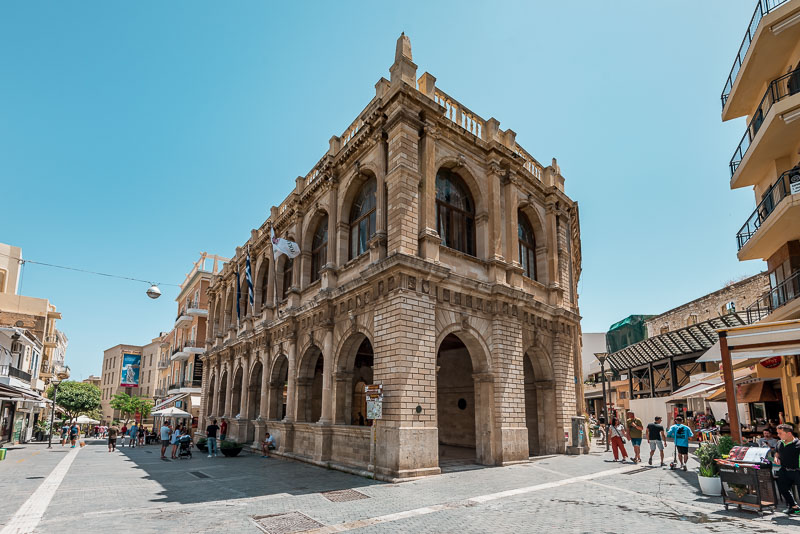
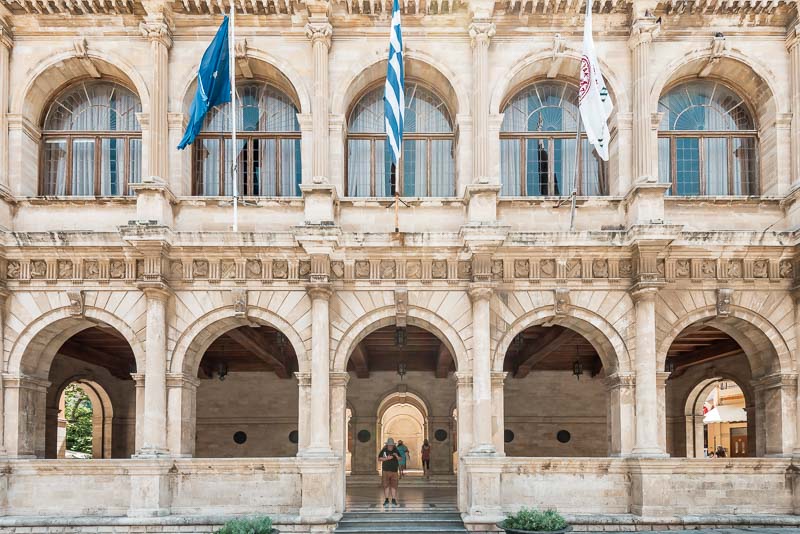
The loggia of Heraklion, with its ornate arches and decorations, was built as early as the 16th century, but received its finishing touches in the 17th century under the Venetian ruler Francisco Morosini. The magnificent building served as a meeting place for the nobles at the time and was therefore the center of power of the city.
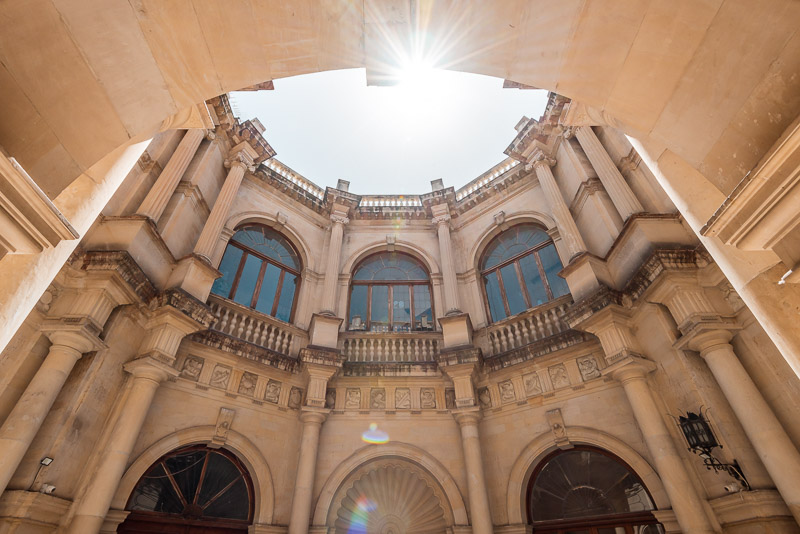
During the Turkish rule, it served as an arsenal and was severely damaged in the course of the Greek liberation struggles. The restoration dragged on for over half a century: it began in 1915, was interrupted by the Second World War and the Greek Civil War, and was not completed until 1979.
In particular, photo enthusiasts will be thrilled by the perfectly shaped architecture, as there are many great photo opportunities here. The inner courtyard can be visited freely, changing exhibitions and weddings take place in the premises.
#6 Morosini Fountain in Lions Square
Just two minutes further south is the Platia Eleftheriou Venizelou, also called Lion Square, with the impressive Morosini fountain. The rather compact square with its mixture of historic and modern buildings is undoubtedly the central point of contact in Heraklion.
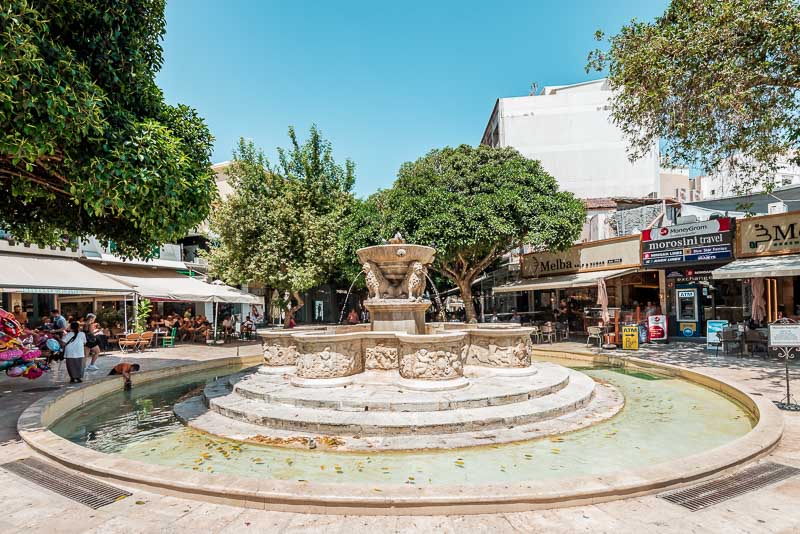
The beautiful Morosini Fountain in Heraklion, which has eight basins and lion statues that spout water, was built in 1628 by the Italian general Francesco Morosini. It is now considered to be one of the most beautiful Venetian monuments in Crete.
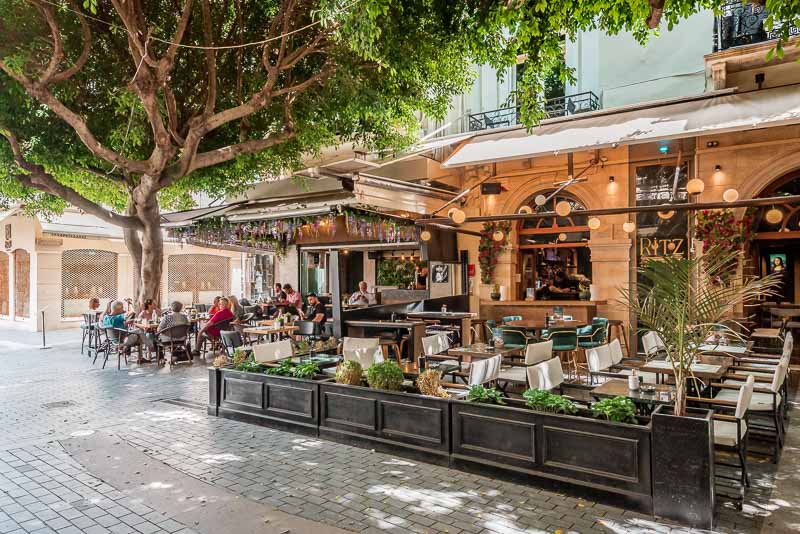
The entire site is surrounded by numerous restaurants and cafés (tip: Coco Cafe 89 and Phyllosophies) and invites you to take a breather to watch the hustle and bustle in the city centre in peace and quiet.
Various events take place in the large 13th-century Basilica of Agios Markos, opposite Lion Square. The church is built in Venetian style and in 2023 housed the Art Gallery of the City of Heraklion, which presents the history of Crete in a fascinating way.
#7 Shopping Street 1866 (Central Market)
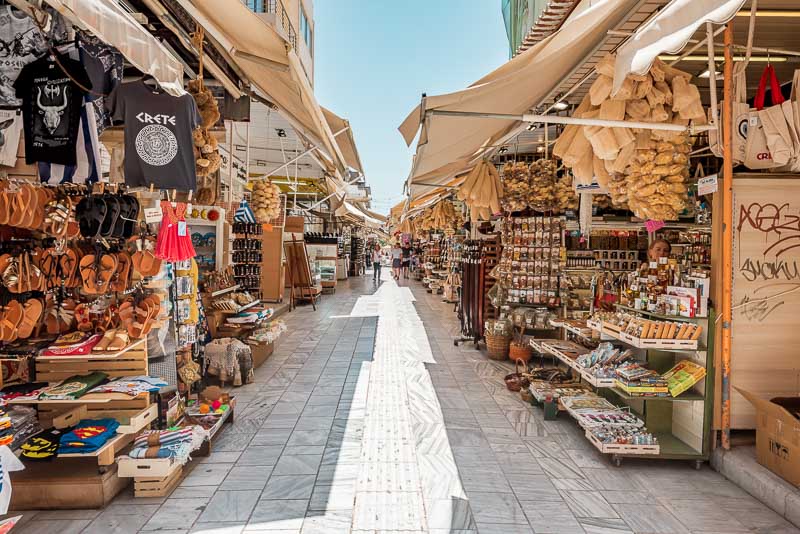
South of the Morosini Fountain, the historic buildings are increasingly giving way to modern concrete architecture. Fans of shopping can while away hours browsing the stalls along the street Odos 1866 in the vibrant atmosphere of the Kentriki Agora (Central Market), where they will find a plethora of jewellers, boutiques and handicraft shops, including olive wood products.
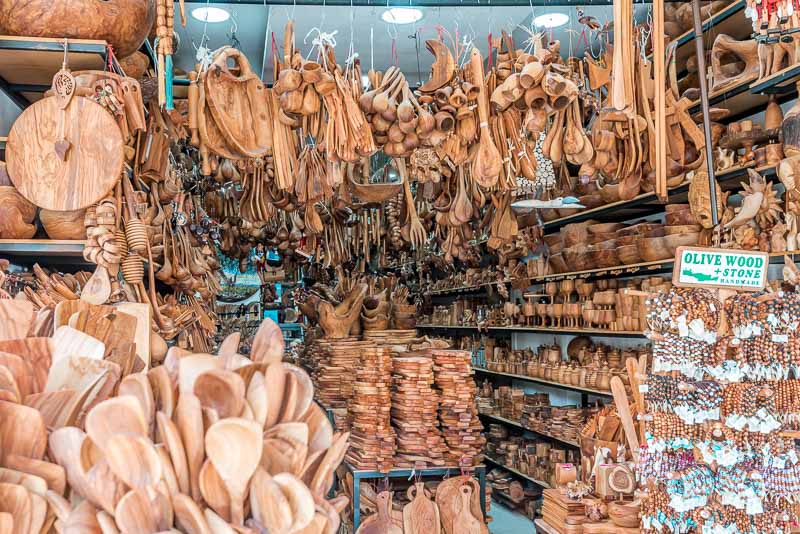
In the colorful smorgasbord of shops and stalls, fruit and vegetable sellers, even fish shops and butchers are lined up. But lovers of traditional delicacies will also find original stores such as the cheese shop here MITATO Masaouti Tirokomeio or the herb shop Phaskomilo.
Coffee lovers should take a look at Koudoumas traditional coffee roasting company. In the “Kafekopteio”, you can experience a journey through time, where the air is filled with the aroma of freshly roasted coffee beans. Right next door, the Creperie Lukumades me melidelicious offers yeast dough balls for the sweet tooth.
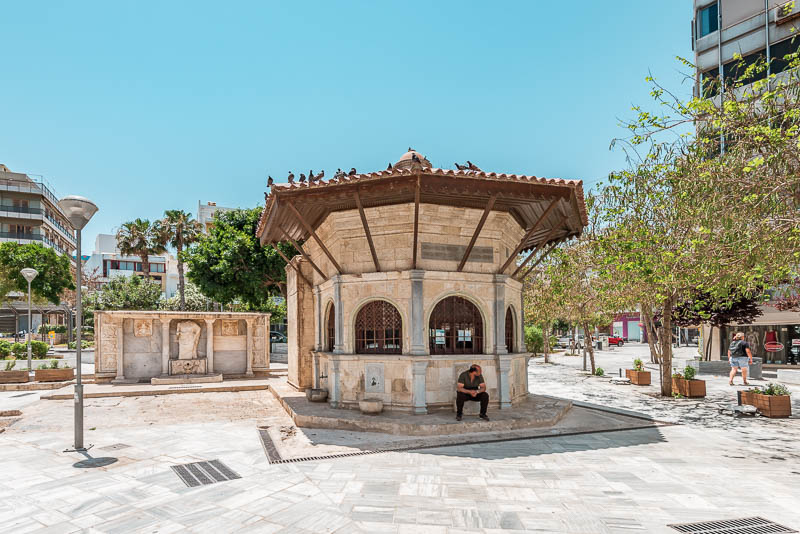
At the end of the alley is Platia Kornarou, home to other historical relics such as the Bembo Fountain (Krini Bembo), dating back to Venetian times, and the Ottoman Sultan Cami pavilion, which was used as a kafeneion at times and is a popular meeting place for locals.
#8 Heraklion Pub District
The corner around the Agios Minas Cathedral has the highest density of dining options. The pub district of Heraklion is considered the social heart of the city. Tourists and locals alike are represented here to enjoy the evening in a convivial atmosphere.
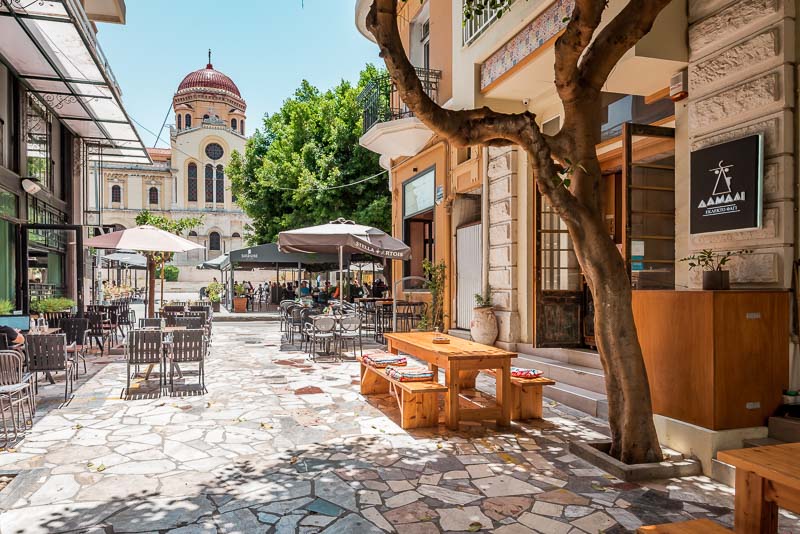
Traditional taverns (tip: Apiri and Kayiabee), modern bars and cosy cafés (tip: Speira) or rustic kafenia (tip: Old Cafe) are always well attended after sunset and the last seats empty only in the early morning hours.
The proximity to the church of Saint Minas gives the neighborhood a special atmosphere, as it reflects the typical Cretan spirit of combining religion and hospitality.
A night in Heraklion is worth it if you want to dive into the city’s cool nightlife. You can compare and book hotels here*.
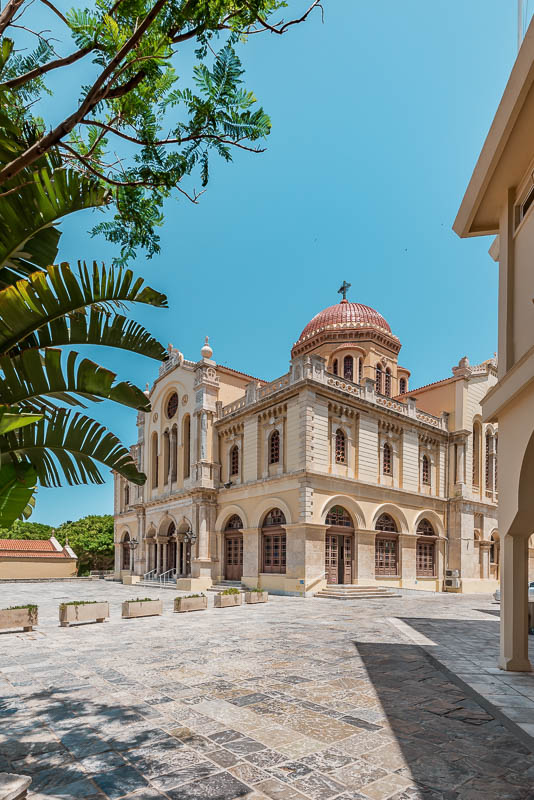
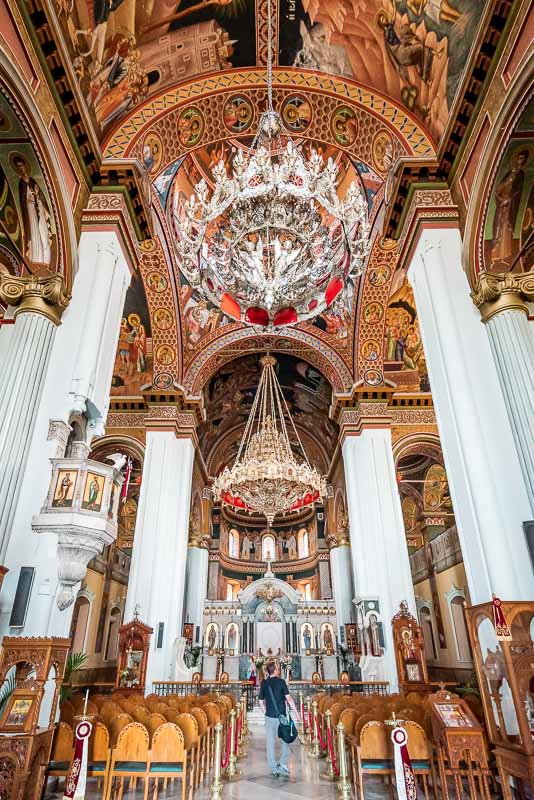
Completed in 1895, the cathedral is now considered the biggest church on Crete and with a capacity of 8,000 faithful, it is one of the largest places of worship in all of Greece. The interior, with its high barrel vault, marble columns and colourful frescoes, impresses at first glance.
#9 Heraklion City Wall (Venetian Wall)
Since the Middle Ages, a system of defensive walls, towers and other fortifications protected the city from attacks. The mighty stone walls were reinforced by numerous bastions under Venetian rule, enabling the city to withstand the 23-year-long Ottoman Siege of Candia (as Heraklion was known to the Venetians).
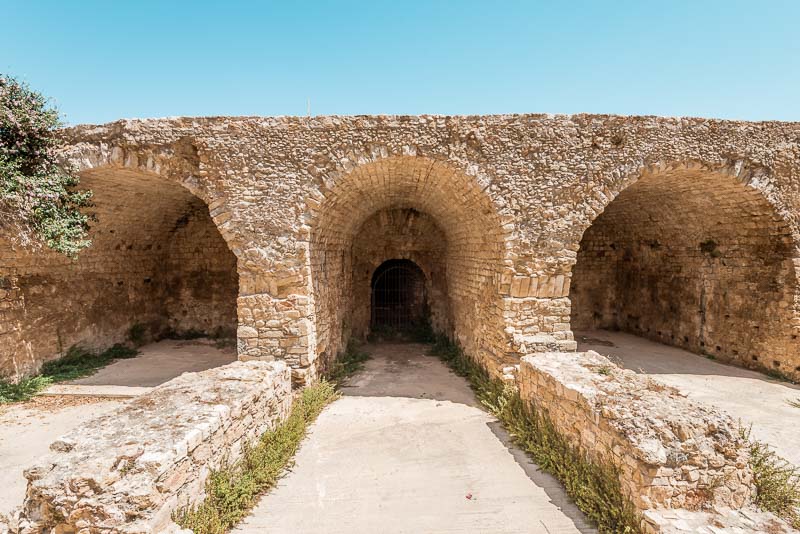
The western and southern parts of the city wall have been preserved to this day. Mighty city gates separate the Old Town of Heraklion from the new town, some of them lie as ruins between the skyscrapers, such as the Dermata Gate. The city wall itself can be entered through the Bethlehem Gate or the Porta Chanion at the Pantokrator Bastion, among other places.
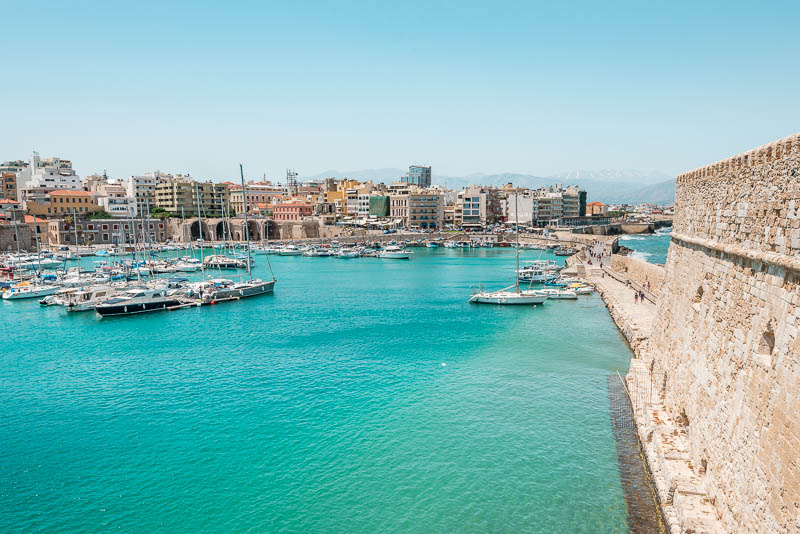
Although you have a wonderful view of the modern promenade and the city walls of Heraklion, unfortunately, the city administration has neglected them in recent years. Sometimes there is a lot of garbage on the wall and some entrances have already been closed with iron bars.

#10 Archaeological Museum of Heraklion
That Archaeological Museum of Heraklion, located east of the old town, is a must for every history interested Crete vacationer, along with a visit to Knossos.
It is a true treasure trove of antiquity and is considered the most important museum in Greece after the National Museum in Athens. It was completely renovated in 2014 and houses finds from Crete from the Stone Age to modern times.
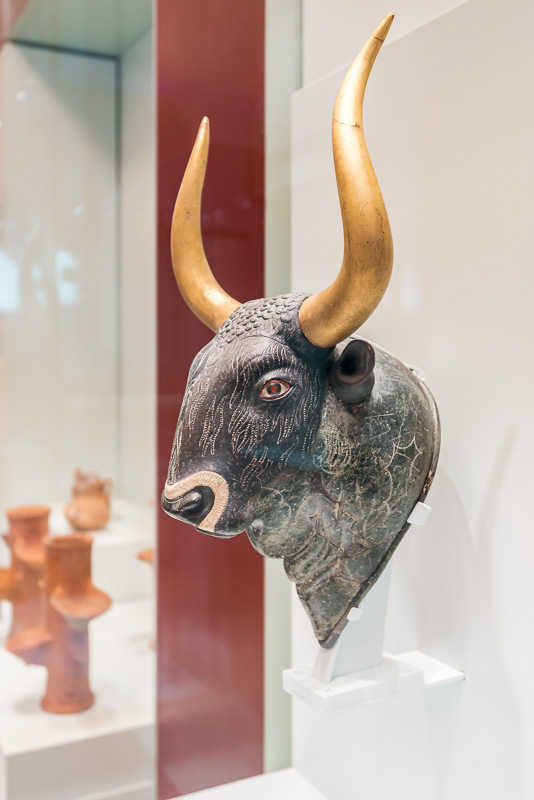
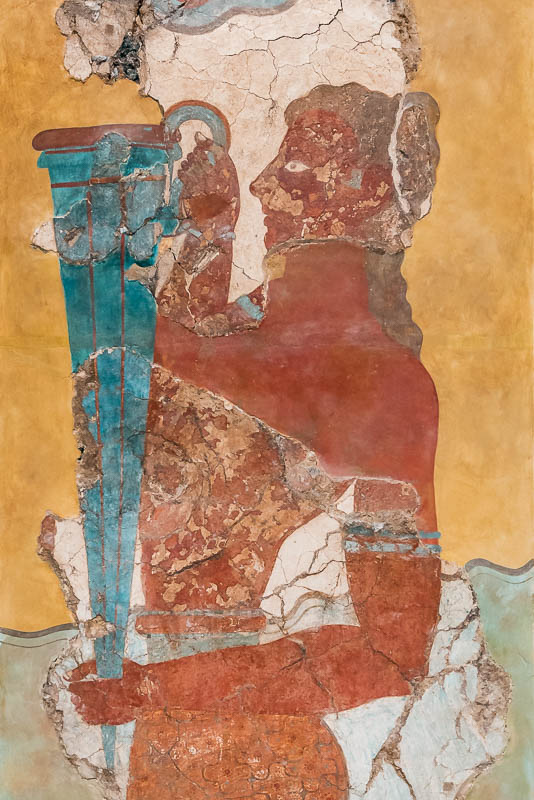
On a tour of the 20 halls, you literally walk in the footsteps of King Minos, the most famous idol of the first European high culture. The impressive collection of Minoan artifacts from the famous palaces of Knossos, Phaistos and Malia alone can be admired for hours.
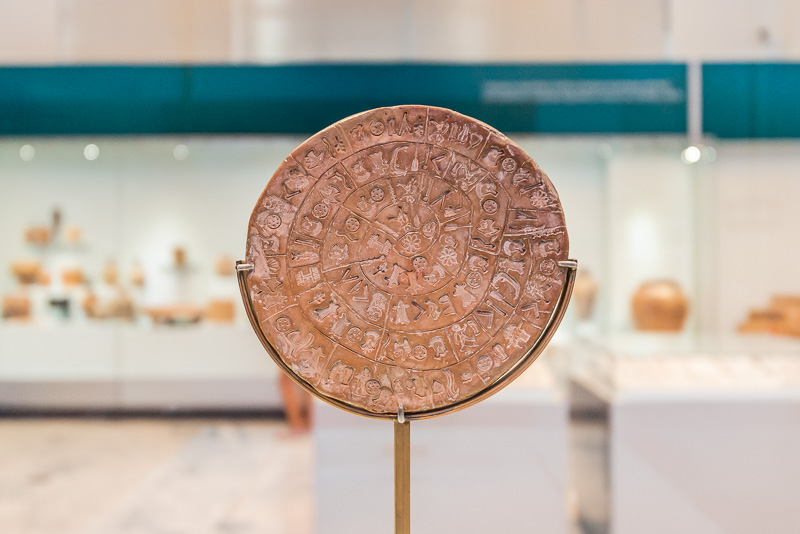
Highlights include a bull’s head with golden horns, the snake goddess, the Phaistos Discos as well as original frescoes from Knossos & Co. History fans should plan at least a whole morning or afternoon in the museum.
- Opening hours Archaeological Museum Heraklion: Wed.-Mon. from 8 a.m. to 8 p.m., admission 12 € (reduced 6 €)
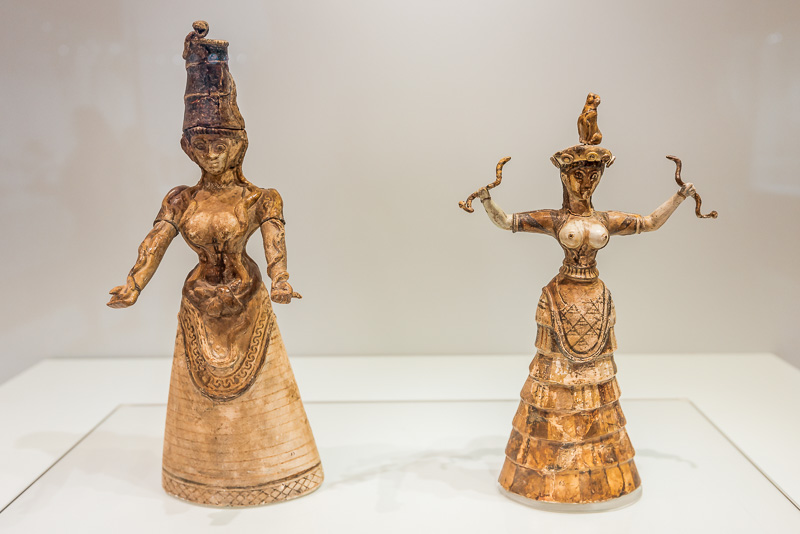
For everyone else, a combined ticket with a visit to Knossos is worthwhile to get a deeper insight into the time of the Minoans. If you want, you can be guided through the National Museum by a professional guide.
A professional guide will help you enjoy the Archaeological Museum of Heraklion more. You can book the tour here*.
#11 Natural History Museum of Crete
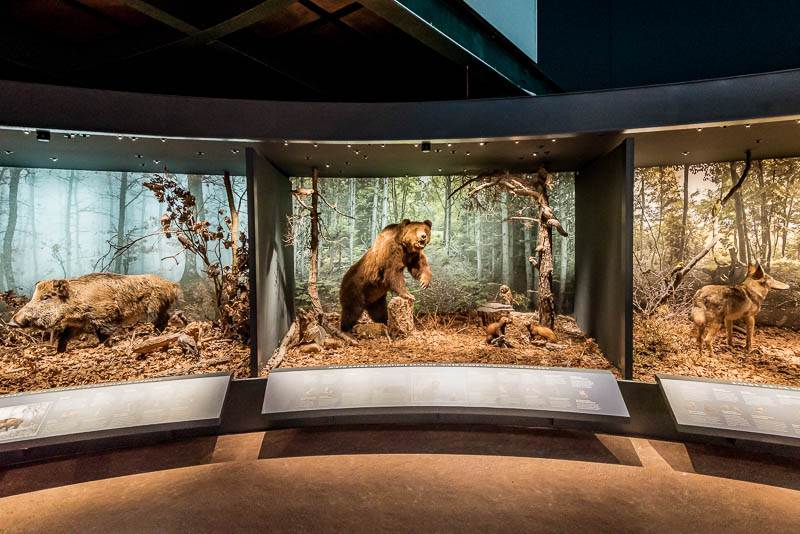
The Natural History Museum of Crete (Natural History Museum of Crete) is located directly on the sea, northwest of the historic city center. On four floors, the habitats of Greece and the Mediterranean world are presented and a wide range of knowledge is imparted.
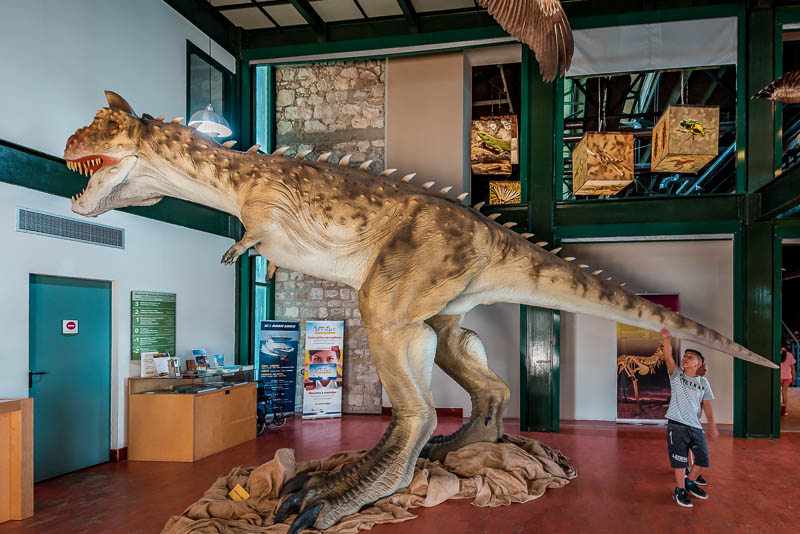
Especially with children, a visit to the museum is worthwhile, which also addresses the unique flora and fauna of the island from prehistoric times to the present day with many exhibits. In addition, there are always interactive opportunities for young and old and numerous videos, so that in addition to all the facts, an entertaining character is also preserved.
→ You can find the best activities for kids on Crete, as well as family-friendly beaches and hotels, here: Crete with kids
Highlights of the Natural History Museum include life-size dinosaur models and an earthquake simulator that makes the seismic forces of nature tangible in several stages. You can take a breather from sightseeing in the adjoining museum café with a view of the sea.
- Opening hours Natural History Museum of Crete: daily Mon-Fri 9 am-5 pm, Sat-Sun 10 am-6 pm, admission 8 €
✓ Full coverage & unlimited mileage included
✓ Free cancellation until 24h before pickup
✓ Best price guarantee via Discover Cars
Other museums in Heraklion
Heraklion offers other interesting museums and numerous exhibitions. The Museum of Ancient Greek Technology, located near the Venetian Port, is particularly recommended. Here, the innovative achievements of antiquity are illustrated by functional replicas of inventions of antiquity.
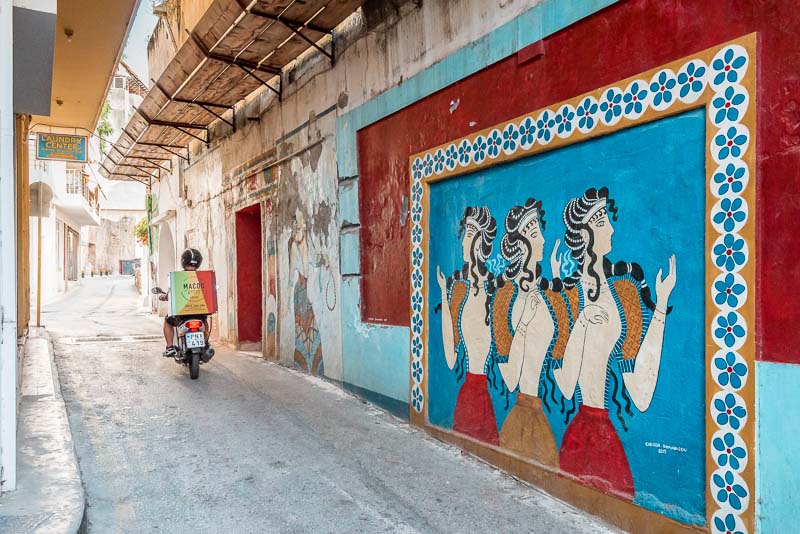
Also worth seeing is the Historical Museum of Crete on the main road Sofokli Venizelou. It gives insights into the Roman history of Heraklion and exhibits not only weapons but also musical instruments such as the lyre. The spirit of culture and history is omnipresent in the city. On a walk you will even come across historically inspired street art.
More Heraklion tips
Guided tours in and around Heraklion
There are numerous opportunities for guided tours in and around the city. Very popular are Heraklion city tours in combination with a visit to the Archaeological Museum of Heraklion. The Hop On Hop Off Bus even offers an extended city tour of Heraklion, bookable via GetYourGuide*:
➲ To the Hop On Hop Off bus tour*
Foodies can indulge in a culinary foodie tour of Heraklion, where you can get to know the weekly markets of the city as well as real gastronomic insider tips in the maze of alleys of the city. Guided tours of Heraklion by e-bike or Segway through the traffic-calmed city centre are also popular. Our partner GetYourGuide* also offers tours here:
🗺️ Find tours in Heraklion
Restaurants and cafes in Heraklion
Apiri
Modern mezedopoleio in the Agiou Mina district. Relaxed atmosphere, good food at fair prices. Tables along the alleys and always well attended in the evening.
BEER O’CLOCK
Greek restaurant and pub in one, very large selection of international and Greek or Cretan beers (e.g. Xarma and Lyra). There are also typical dishes such as burgers and wedges. Great atmosphere and friendly service.
La Brasa Heraklion
Greek-Mexican restaurant above the Venetian harbor. From tacos to pizzas to salads, everything tastes good. Friendly staff, fair prices and delicious cocktails.
Peskesi
Probably the best restaurant on the island of Crete, right in the heart of Heraklion. In a unique atmosphere, typical Greek and traditional Cretan dishes with a special twist are served. A feast for the palate! Popular with the locals and always require a reservation on weekends.
Phyllosophies
Trendy café right next to the Morosini Fountain, making it arguably the most popular place in town for a coffee and a sweet Greek bite. Be sure to try the delicious bougatsa! There is a lot going on here on Sundays, so you should secure a place early.
Heraklion Hotel Tips
The city centre of Heraklion offers an enormous variety of accommodation options – from the luxurious penthouse suite with whirlpool to the simple room with a shared flat flair, there is something for every budget.
🛏️ Find hotels in Heraklion
All hotels at a glance, check prices & availability directly:
Here are our personal recommendations for hotels and apartments in Heraklio (links to Booking.com*):
City Lion by Semavi
Compact aparthotel in the heart of the city. Very tasteful, new studios and apartments with very good facilities.
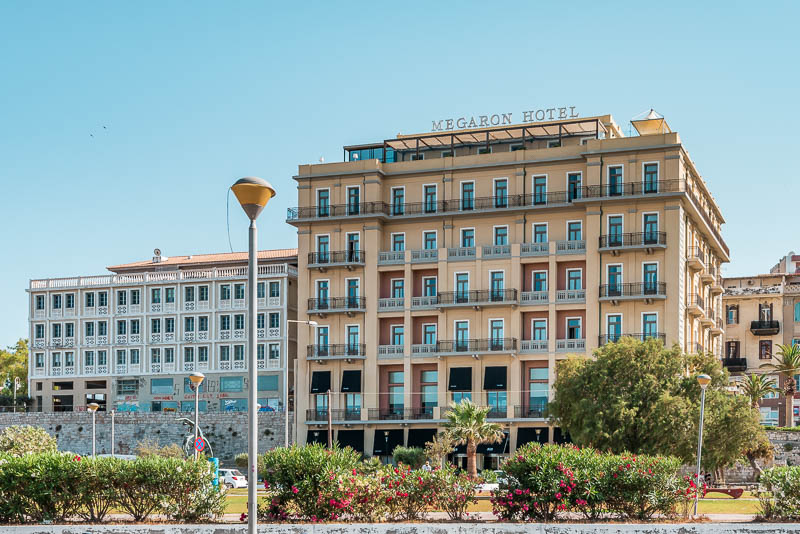
GDM Megaron Hotel
Hotel Megaron is one of the most popular 5-star hotels in Crete and is located right on the port of Heraklion. The service is very good, the rooms are modern and from the roof terrace of the hotel restaurant you have a wonderful view over the city.
Kastro Hotel
Solid 3-star hotel in a prime location in the middle of the old town. Modern rooms and good breakfast. Several cafes and restaurants in the immediate vicinity.
Porta Suites
Very spacious apartments, some with terrace, in the western city center, near Porta Chanion. About a ten-minute walk from the historic town centre, very clean grounds and extremely reasonably priced.
What to see around Heraklion
Heraklion is not only worth a day trip, but also the starting point for a variety of excursions in the region. From the mystical palace of Knossos to the idyllic wine-growing region of Archanes with the impressive mountain of Juchtas – the hinterland of Heraklion holds treasures that are waiting to be discovered.
Visit to the Palace of Knossos
Knossos is the Top-highlight on Crete and is one of the most popular Sights of Greece, too. A visit to the palace is like stepping back in time to the Minoan civilization and the mystical ruins tell of a flourishing culture, art and architecture.
→ You can find more about the most famous ancient site of Crete here: Knossos Palace
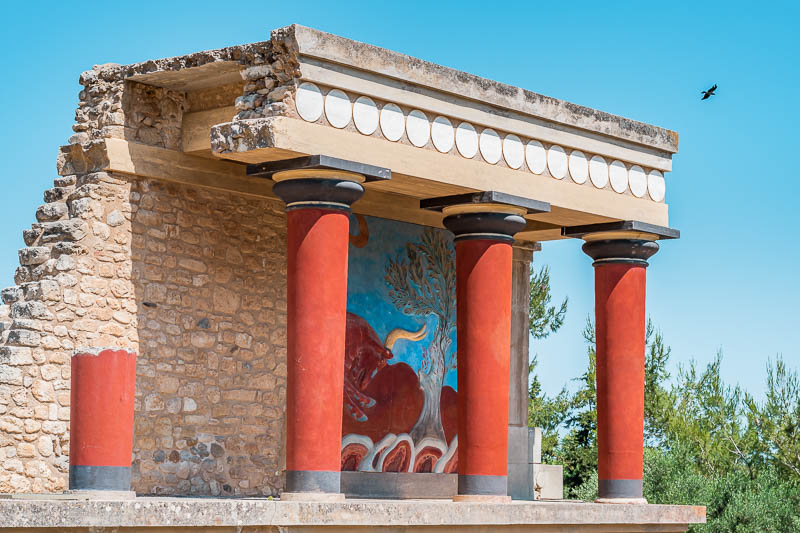
But beware, Knossos is the visitor magnet par excellence around Heraklion, the queues are particularly long at lunchtime. We recommend visiting in the early hours of the morning, when the light is best for good photos and there is still peace and quiet on the grounds.
Get your online ticket for the Palace of Knossos and skip the line at the ticket office. You can book the tour here*.
Wine region of Archanes
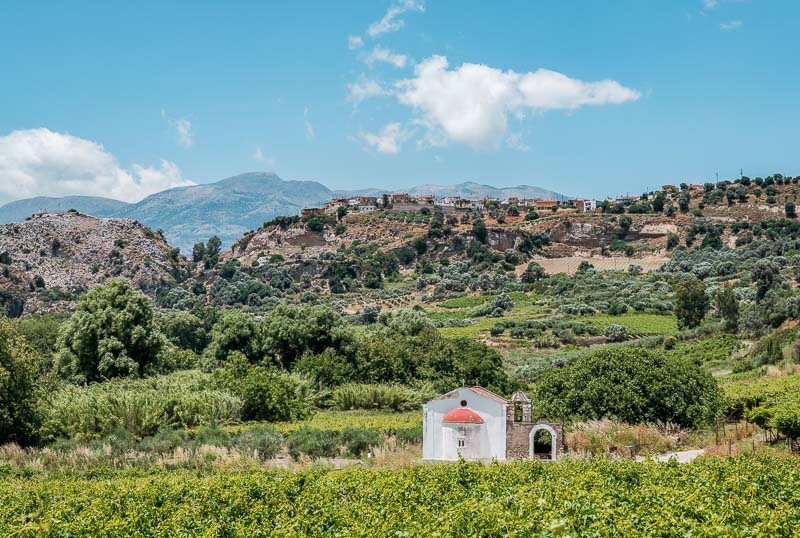
The hinterland of Heraklion captivates with its picturesque nature with rolling hills and idyllic villages with surrounding vineyards and is therefore also known as a Cretan Tuscany.
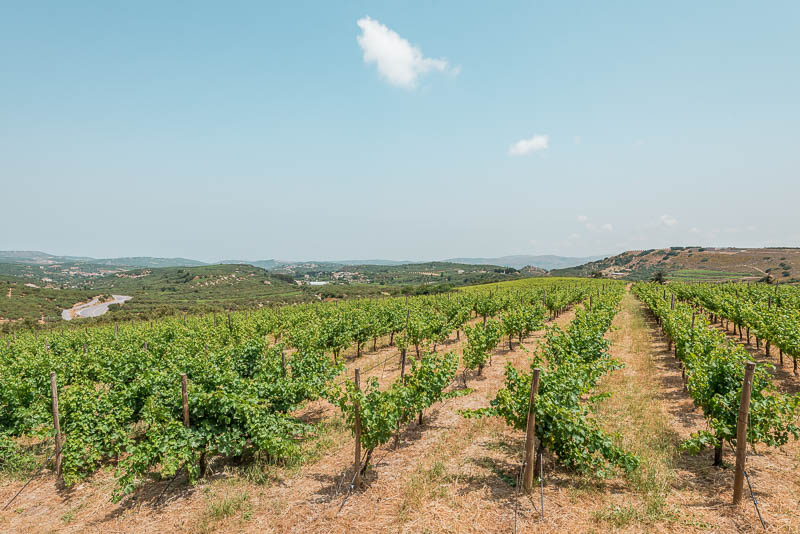
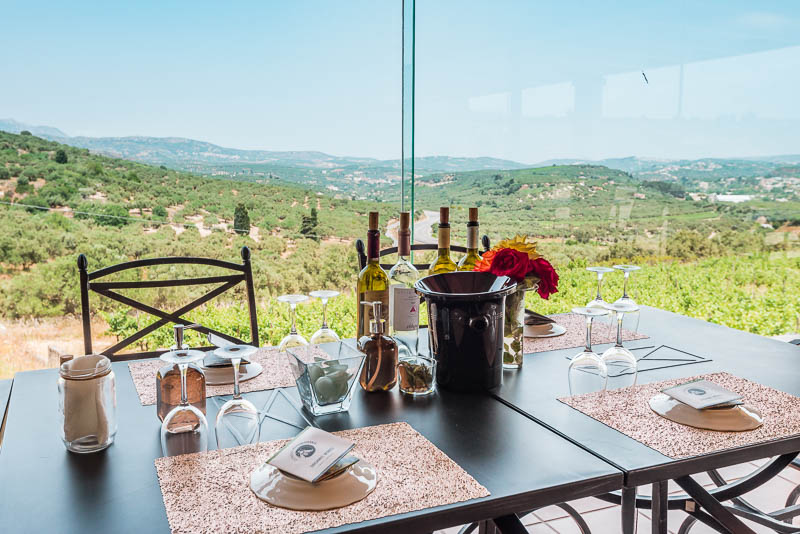
On a trip to the wine region around Archanes, you can visit numerous wineries and, in addition to tasting exquisite wines, gain insights into the island’s wine production.
→ Our recommendations for Heraklion wineries are: Titakis Wines in Kounavi, Domaine Paterianakis in Meleses, Silva Daskalaki Winery in Siva and Douloufakis Winery in Dafnes
Mount Juchtas Hike
The best view of Heraklion and the surrounding area is from the Mount Juchtas, which is located above the small town of Archanes. You can either climb the 811-meter-high Juchtas from Archanes in about an hour on foot or drive up a gravel road in a four-wheel drive vehicle.
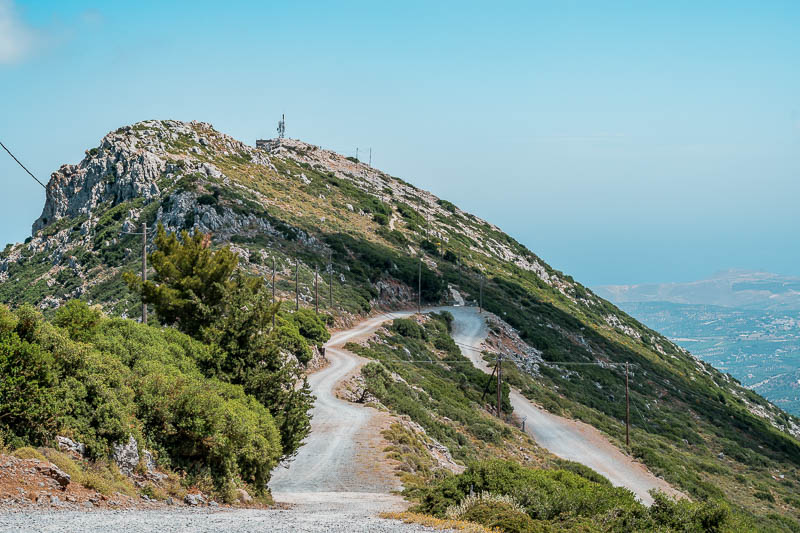
Once at the top, the snow-white Christ Church is ideal for a picnic. After the climb, you can indulge in delicious home cooking in one of the traditional taverns in Archanes. We particularly enjoyed the Restaurant Kritamon and the Bakaliko.
Explore the hinterland of Heraklion on a guided jeep safari and discover secluded landscapes. You can book the tour here*.

Beaches around Heraklion
Since the coast around Heraklion is rocky and rugged, there are no beaches in the immediate vicinity. However, there are two popular beaches near Heraklion, in the western suburb of Ammoudara and east of the airport in Kateros. Both are very popular with the locals and are correspondingly well attended in midsummer.
Ammoudara Beach
Long sandy beach in the western suburb of Ammoudara with brown sand and offshore reef. Well organized in the summer with plenty of umbrellas and sun loungers. Numerous beach bars and taverns. To the east, the beach merges into the less frequented Xeropotamos Beach.
Kateros Beach
Sandy beach in the immediate vicinity of Heraklion airport (HER). A handful of beach bars rent out deck chairs and cater for the physical well-being. A dream for planespotting fans because of the busy air traffic, rather repulsive for beach vacationers seeking peace and quiet.
How to get to Heraklion
To get to Heraklion by rental car (Offers on Discover Cars*) is very convenient, as the capital is located directly on the well-developed island highway Aftokinitodromos 90 or E75. Ideally, you should take the Leof exit. Knosou/EO99 (IRAKLEIO) towards the port.
Heraklion is also easy to reach by bus from other cities in Crete. The bus companies KTEL Chania and KTEL Rethymno offer regular connections to the capital. This option offers the visitor a cost-effective, scenic and relaxed journey.
The bus station of Heraklion is located right at the port of the city. The international Airport Nikos Kazantzakis is located about five kilometers outside the city and is easily accessible by bus lines 6, 11 and 12. Here you can find the current bus schedules for Heraklion: KTEL Heraklion
✈️ Find flights to Heraklion
Distances to Heraklion from:
- Chania: approx. 145 km, driving time: approx. 2 hours 30 min.
- Rethymno: approx. 80 km, driving time: approx. 1 hour 15 min.
- Agios Nikolaos: approx. 65 km, travel time: approx. 1 hour
- Ierapetra: approx. 100 km, driving time: approx. 1 hour 30 min.
- Sitia: approx. 150 km, driving time: approx. 2 hours
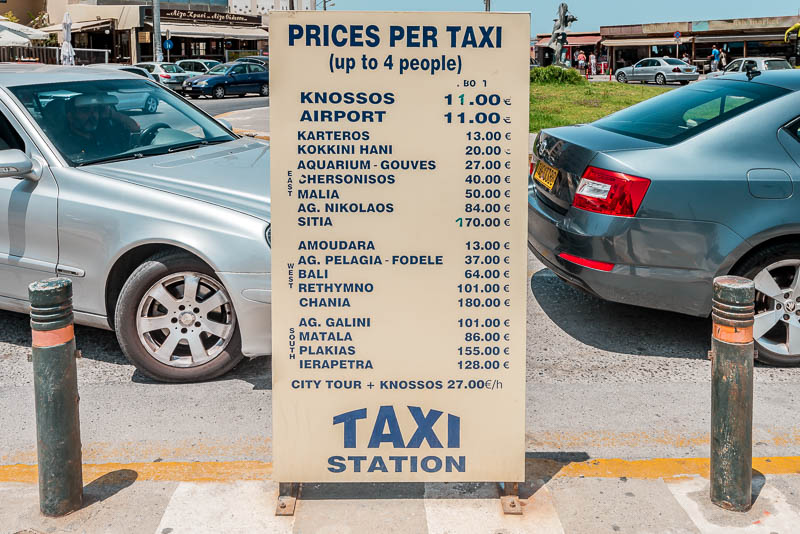
Taxi prices to Heraklion:
→ Other interesting articles and numerous Crete travel tips can be found here:
*Support our blog Greece-Moments
In this post, you will find affiliate links marked with an asterisk (*). If you book or buy something through one of these links, we receive a small commission. For you, the price remains the same. In this way, you help us continue to provide high-quality content for free. Did you like this post and you would like to say thank you? Then just buy us the next Greek coffee ☕️ To the coffee fund
Bookmark this post on Pinterest!