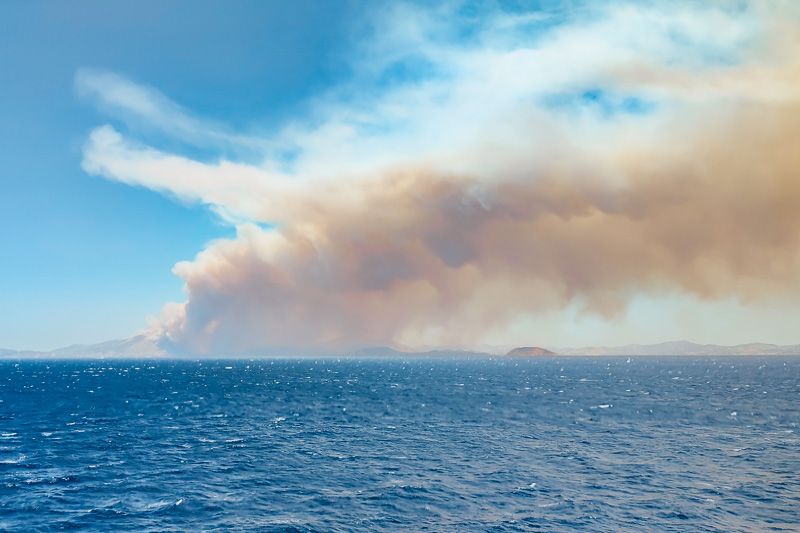

Since 2008, we have been travelling around Greece together and have formed our own impression of the situation facing Refugees in Greece. Aid workers from all over the world have been trying for years to improve conditions for people seeking protection. Progress is slow, but you can see it.
“The refugee crisis is not a Greek problem, it is a challenge for the whole of Europe.”

This article is based on personal impressions and our own research on the topic of Greece and refugees. We want to inform you about the situation for refugees and for local residents on the Greek islands. We do not go into the political causes of the refugee crisis or into current incidents.
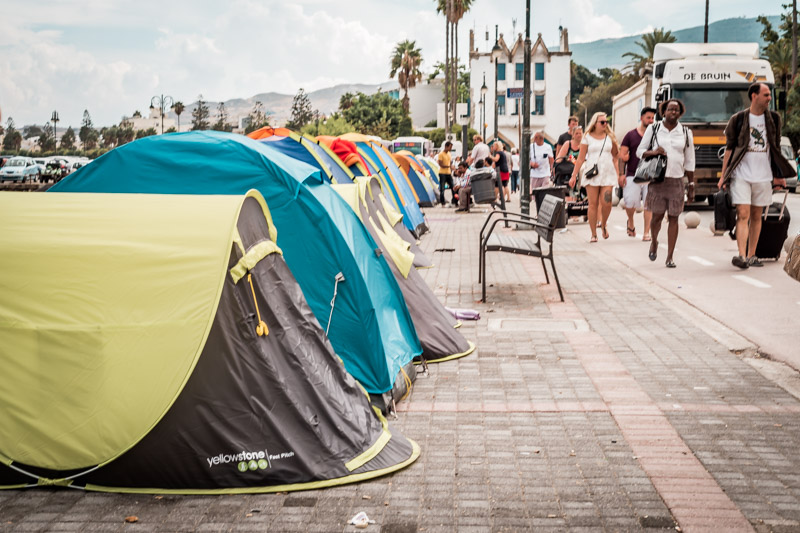
In Autumn 2015, we were in Kos and faced the situation first-hand. The harbour promenade in Kos Town felt like a tent camp. Rubbish was scattered along the shore, destroyed refugee boats and life jackets lay on the beach, and people washed themselves in the sea.
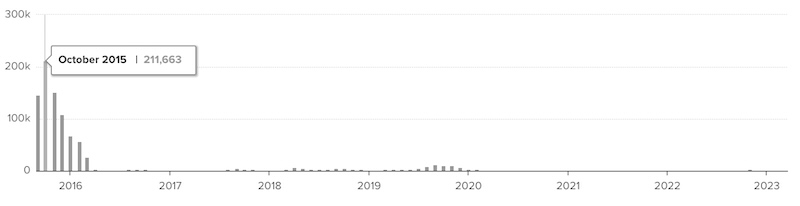
Many refugees queued outside the police station in Kos Town for registration. A year later, in September 2016, there was nothing left to see of it. On Kos, the situation had calmed down again. On Corfu or Santorini, there were no refugees then, and there are none now.
In the years that followed, we visited Lesbos, Samos and Chios, and we have spent several weeks on Kos almost every year. Since 2020 (very likely also linked to the pandemic), significantly fewer refugees have arrived in Greece than in some previous years.
- #1 Current situation of refugees in Greece
- #2 Refugee hotspots on Greek islands
- #3 How did the refugee crisis in Greece come about?
- #4 Why do refugees arrive on Greek islands?
- #5 Are there refugees on other Greek islands?
- #6 How can I help the people on the islands?
- #7 Can you still go on holiday to Greece?
#1 Current situation of refugees in Greece
Even though the “forgotten” refugee crisis has largely disappeared from the public eye, people still reach Greece from the Turkish coast and, in some cases, from Africa. In 2025, 41,696 refugees arrived via the sea route to Greece, which is a decrease compared to the previous year (2024: 54,417).
→ Statistics Arrive Refugees in Greece:
Year: Sea route — Land route
2025: 41,696 — 7,075
2024: 54,417 — 7,702
2023: 41,561 — 7,160
2022: 12,758 — 6,022
2021: 4,331 — 4,826
2020: 9,714 — 5,982
2019: 59,726 — 14,887
2018: 32,494 — 18,014
2017: 29,718 — 6,592
2016: 173,450 — 3,784
2015: 856,723 — 4,907
2014: 41,038 — 2,280
The current refugee situation in Greece can feel difficult to assess, and that uncertainty affects many holidaymakers. Some media outlets pick up individual reports and turn them into sensational stories before the background is clear. That often leaves little room for objectivity.
Arrivals vary strongly from year to year. If you want to check the current refugee numbers in Greece, we recommend the data portal of the United Nations High Commissioner for Refugees: UNHCR Report Greece

Because of increasing border controls and sea patrols, some refugees take more dangerous routes to reach Europe. Especially in the southern Mediterranean between Italy and Malta, serious accidents occur at sea, and people lose their lives.
→ Latest Refugee News can be found on the Greek News Blog Keeptalkinggreece
How many refugees are currently coming to Greece?
A total of 48,771 refugees reached Greece in 2025 (source: UNHCR, 31.12.2025). Of these, 41,696 people crossed to the islands by sea.
About a third of people reach the islands of Lesbos, Chios, Samos, Leros and Kos by sea from Turkey, and since 2023 also Crete. There are as good as no refugees on other islands. Since 2020, refugees have gradually been relocated from the islands to the mainland while their asylum status is assessed.

Important events in the refugee crisis
In February 2020, the European refugee crisis once again came into the public eye. On 28 February, Turkey suspended border controls on both land and sea. The reasons for this remain unclear, though the Syrian conflict likely played a role. The news spread quickly on social media.
As a result, tens of thousands of refugees who were already in Turkey set off for the country’s external borders, partly on foot and partly by bus. In order to prevent uncontrolled immigration, Greece closed all borders to Turkey at that time.
Since then, Greece’s land and sea borders have been heavily controlled. Business and tourist travel to Turkey is permitted again, and ferry traffic between the countries has resumed. Since 2021, many children and young people have been transported to safe reception centres on the Greek mainland.
A new refugee camp on Lesbos was opened in 2022. The local government continues to call for the transfer of more refugees to the mainland and the acceleration of asylum procedures. In 2022, a number of tragic accidents occurred in the Greek Mediterranean, including around the island of Crete. In 2024, hundreds of refugees once again came ashore on Crete.
In the summer of 2025, several hundred people reached the southern coasts of the island every day, including areas like Lentas, Ierapetra and Makry Gialos. By the middle of the year, almost 10,000 Refugees on Crete were stranded. As a result, the Greek government temporarily suspended its asylum procedure and implemented much stricter measures.
#2 Refugee hotspots on Greek islands
The islands of Lesvos, Samos, Leros, Chios and Kos all set up refugee camps at the beginning of the refugee crisis. Some of these are new buildings, while others are former military barracks. They are often referred to as “hotspots” and served as registration centres for arriving people during the early days of the crisis.
Due to new legislation, such as the refugee deal with Turkey, many refugees are not allowed to leave the Greek islands until their asylum status has been clarified. Islanders continue to volunteer their time to promote integration. Gradually, people are being resettled on the mainland.
Refugees on the island of Lesbos
Last visit: June 2019
Lesbos, also known as Lesvos, is the third largest island in Greece and, with around 85,000 inhabitants, one of the most populous. Mytilene is the capital of the island and serves as a major ferry port in the Aegean Sea.
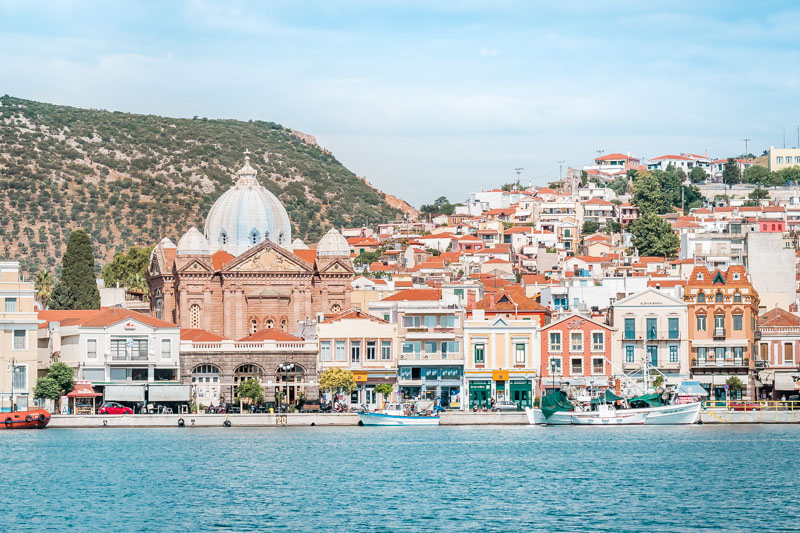
Almost 500,000 refugees reached Lesbos in 2015 and 2016. Lesbos used to be one of the most popular Greek islands among holidaymakers, but with the beginning of the refugee crisis, tourism came to an almost complete standstill. It remains unclear exactly why such a high number of refugees arrive specifically on Lesbos.
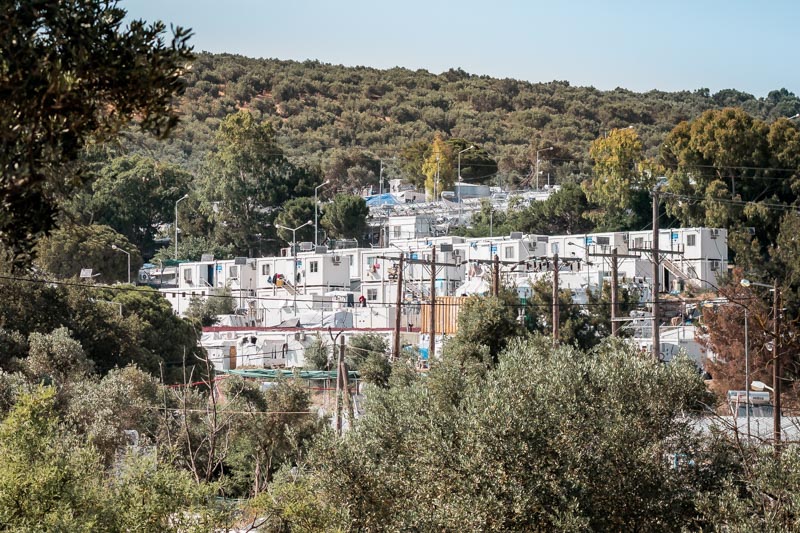
In September 2020, the original Moria camp burned down. This refugee camp was located seven kilometres from the capital, Mytilene. It was initially designed for just under 3,000 people, but with up to 10,000 residents at times, it was severely overcrowded. What often goes unmentioned is that there is a second refugee camp on Lesbos.
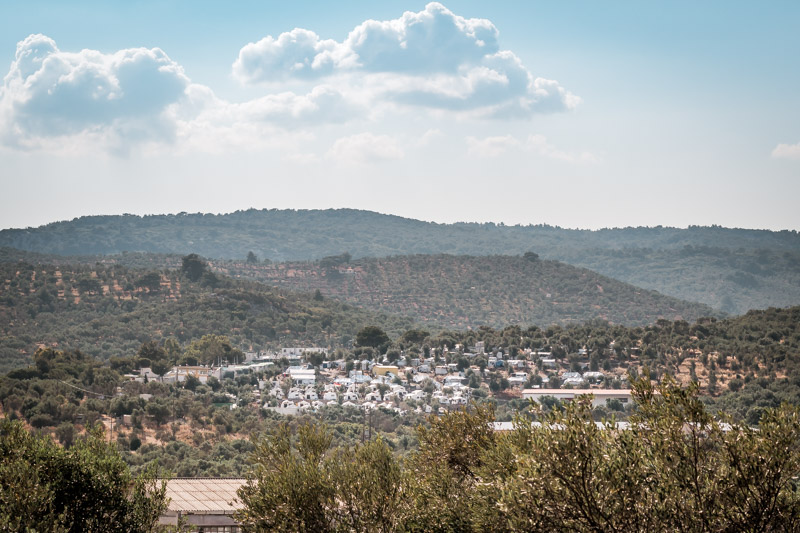
The Kara Tepe Refugee Centre only houses families and unaccompanied children. The conditions here are well organised, and the facility serves as a model of how an emergency shelter for refugees should actually be run. Many NGOs, associations, and residents of Lesbos do remarkable work here, though this should not obscure the difficult overall situation.
Where are the refugee camps on Lesvos located?
- Kara Tepe, about 4 kilometres from Mytilene
How many refugees are there on Lesbos?
- No reliable figures are known
→ You can find our travel report about Lesbos here: Highlights on Lesvos
Refugees on the island of Chios
Last visit: June 2019
The island of Chios is one of the lesser-known Greek islands, located between Samos and Lesbos. This charming island is still very pristine. The inhabitants live mainly from agriculture, particularly olive oil and mastic production.
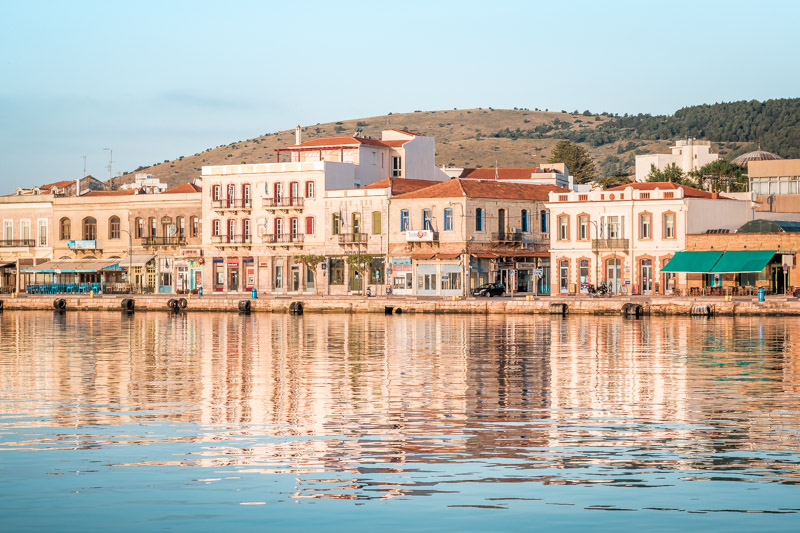
The coast around the main town of Chios is only ten kilometres from the Turkish mainland. In recent years, there have been increasing efforts to promote tourism on the island, but this has been hindered by the refugee crisis. Currently, there are very few tourists on the island.
Where is the Chios refugee camp located?
- In Vial, about 8 kilometres from Chios town
How many refugees are there on Chios?
- No reliable figures are known
→ You can find our travel report about Chios here: Highlights on Chios
Refugees on the island of Samos
Last visit: June 2019
The island of Samos is considered the green island of the Aegean Sea. Samos is a paradise for hikers and nature lovers and remains a popular holiday destination in Greece. Around 33,000 people live on the island, and the capital is Vathy, also known as Samos Town.
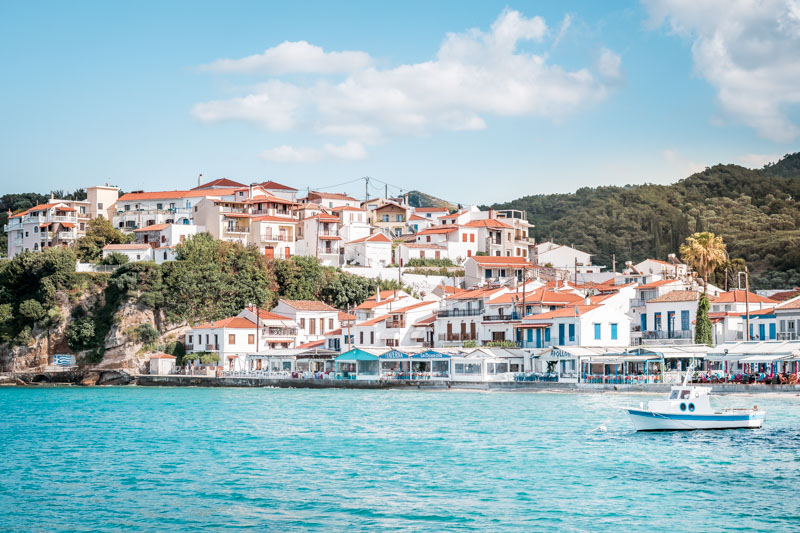
Samos is located at the narrowest strait, just 1.5 kilometres from Turkey, which is where refugees cross over to the island. The refugee camp is located directly above Samos Town and was originally designed for only 700 people.
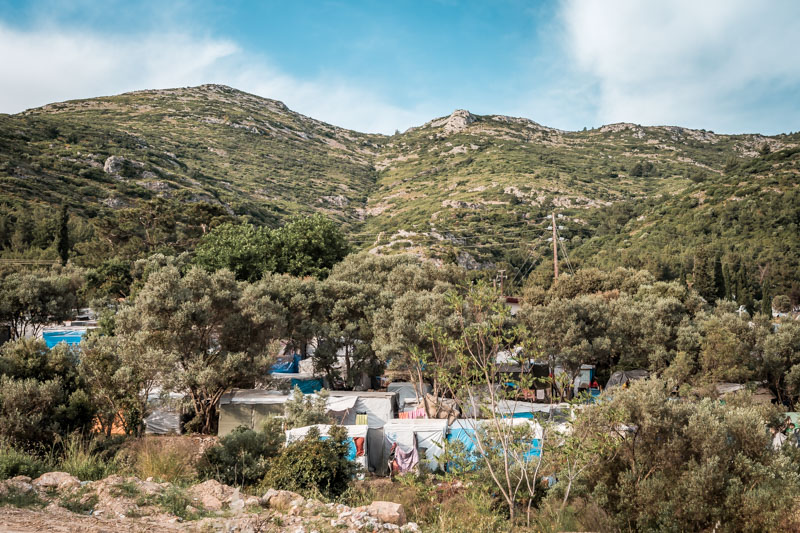
Where is the Samos refugee camp located?
- In Vathy (Samos Town)
How many refugees are there on Samos?
- No reliable figures are known
→ You can find our travel report about Samos here: Highlights in Samos
Refugees on the island of Leros
Last visit: July 2017
The island of Leros is quite small and relatively far from the Turkish coast. Located between Kos and Samos, Leros has so far managed to maintain a gentle form of tourism. Because of this, the island has navigated the crisis fairly well over the years.

Refugees rarely arrive directly by boat on Leros. Instead, they are usually rescued by lifeboats near the offshore island of Farmakonisi. The refugee camp is located near the village of Lakki, the former capital of the island, and many holidaymakers do not even know it exists.
Where is the Leros refugee camp located?
- Lepida, on the outskirts of Lakki
How many refugees are there on Leros?
- No reliable figures are known
→ You can find our travel report about Leros here: Highlights on Leros
Refugees on the island of Kos
Last visit: July 2025
The island of Kos is considered a top destination in Greece, alongside Rhodes. The island is the birthplace of the famous ancient physician Hippocrates and is a genuine bathing paradise with miles of sandy beaches.

Around Kos Town, the sea route to Turkey is only five kilometres wide. In 2015, numerous refugees came ashore near the capital, and the refugee crisis on Kos made global headlines. Just one year later, the traces of the tent city at the harbour were cleared away, and tourism returned to normal.
An old military camp near the village of Pyli has been converted into a refugee facility. This refugee camp near Pyli was originally designed for about 1,000 people. During the day, people often stay in the nearby village to fetch water from the local well, as the drinking water supply in the camp is sometimes insufficient.
Where is the Kos refugee camp located?
- Close to the mountain village of Pyli
How many refugees are there on Kos?
- No reliable figures are known
→ You can find our travel report about Kos here: Highlights of Kos
#3 How did the refugee crisis in Greece come about?
The refugee crisis in Greece did not simply happen overnight. We have spoken to locals on the island of Lesvos, who told us that migrants had been arriving at certain intervals long before the major crisis. However, the numbers were always manageable until 2015.
For years, the inhabitants of Lesvos have a tradition of always helping refugees. Many people seeking protection have been warmly integrated or eventually continued their journey to the Greek or European mainland.

This desire to help is deeply anchored in the Greek people. During the 400-year Ottoman occupation, many lost their homes. In 1923, 1.2 million Greeks had to flee the coast of Asia Minor (modern-day Turkey) for the Greek islands, such as Lesbos, and the mainland.
During the Greek Civil War (1946-1949) and the military dictatorship (1967-1974), hundreds of thousands faced persecution. These historical events have left their mark on the nation and are one of the reasons for the legendary Hospitality in Greece.
In 2015, the number of refugees arriving on Lesbos and other Greek islands multiplied immensely. From July onwards, thousands of people reached the islands every day using rubber dinghies and homemade rafts.
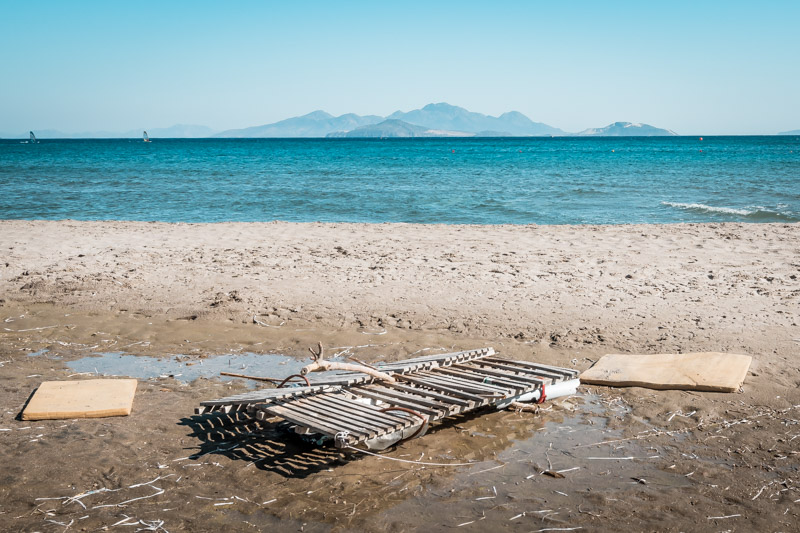
Initially, there were no reception centres on the islands. Many refugees camped at the port and were brought to the mainland by ferries immediately after registration. It is estimated that 500,000 refugees arrived in Europe via Lesbos alone within a few months. That is an almost unimaginable number for an island with just 85,000 residents.
→ You can find more helpful travel information and Facts about Greece in our Greece Profile
Can a country save people during an economic crisis?
In 2015, Greece was also at the climax of its economic and financial crisis. Extreme austerity policies and mandatory European requirements increasingly wore down the Greek state, causing severe social cuts for the population.

There were 23 pension cuts in just seven years! At 25 percent, Greece had the highest unemployment rate in Europe. Tourism was considered the final pillar of the economy. Hospitals and schools lacked basic necessities, and at exactly the same time, countless refugees arrived in the country.
In 2016, various agreements and legal changes initiated by the EU stopped the onward journey of refugees from Greece. The first reception centres, or so-called refugee hotspots on Kos, Lesvos and Leros, were established.
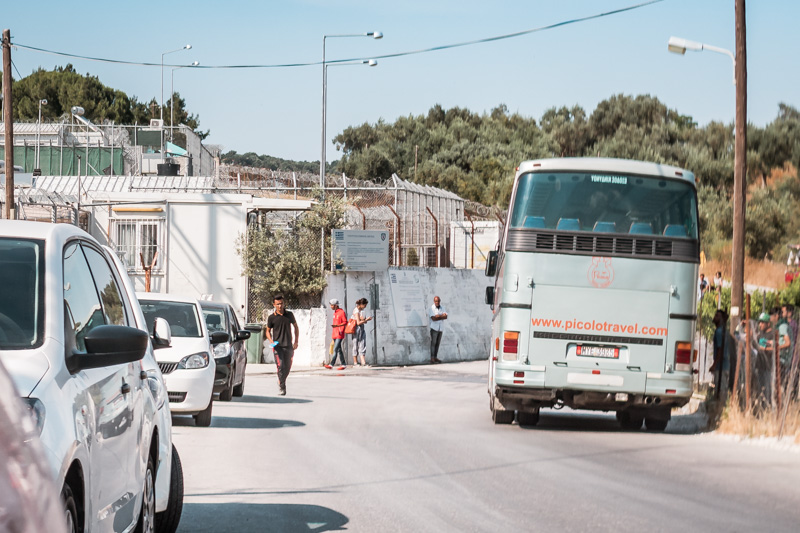
At that time, tens of thousands of refugees were stuck on the islands. The Greece-Turkey Agreement (also known as the refugee deal) was agreed that same year, bringing the onward journey of refugees to a halt. Maritime patrols were deployed to control the sea borders between Turkey and Greece.
The agreement with Turkey also allowed for the repatriation of migrants without a right to asylum. However, each asylum application required a time-consuming case-by-case examination. By comparison, in 2016, 60,000 refugees waited more than 18 months for their asylum decision in Germany alone (source: BAMF).
Furthermore, a clause in the deal means that only refugees who are still on the islands may be returned to Turkey or their place of first EU arrival. Because of this, Greece cannot simply transfer all refugees to the mainland while their asylum applications are pending.
Staff shortages in Greece and a lack of documents
All the while, tens of thousands of people were waiting on the Greek islands. The mandatory verification of origin and identity meant that many refugees—some of whom had no ID—were forced to stay there for months or even years.
You might wonder why more staff were not simply hired to process these asylum applications. This is where Greece’s economic crisis and tight financial situation played a massive role.
The loan conditions imposed by the EU only allowed Greece to hire new civil servants if older civil servants retired—a strict one-for-one replacement policy. Even today, many people are still waiting for their Asylum applications in Greece to be processed.
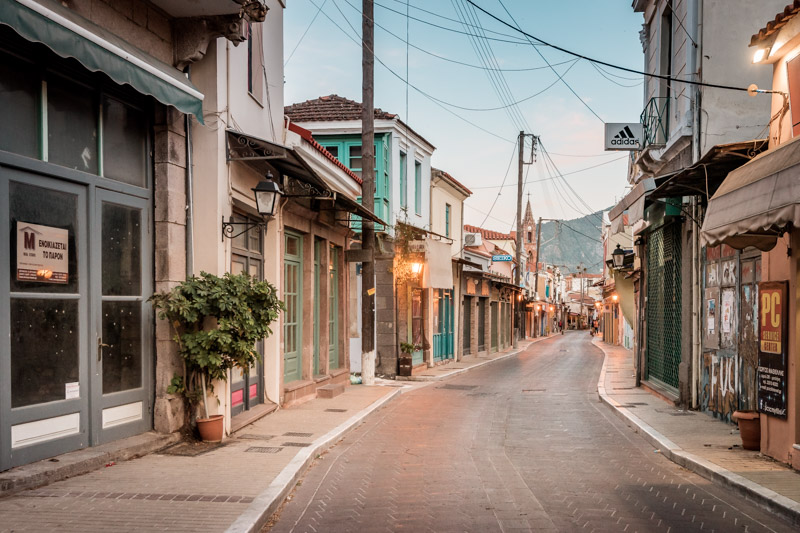
To sum up, the situation of refugees in Greece is the result of a chain of negative events in recent years. The people on the ground suffer the most—the refugee children, women, and families, as well as the inhabitants of the affected islands. They all need support.
#4 Why do refugees arrive on Greek islands?
Greece has the longest coastline in Europe after Norway, stretching for almost 14,000 kilometres, and it manages the most islands in the Mediterranean. The islands in the East Aegean Sea are located directly off the Turkish coast. Islands such as Kos and Samos are only a few kilometres away from the mainland at certain points.
Swimming across these narrow sea passages is impossible due to the strong currents. Most refugees reach the Greek islands by rubber dinghy. These boats are often dangerously overcrowded, leading to devastating accidents at sea.
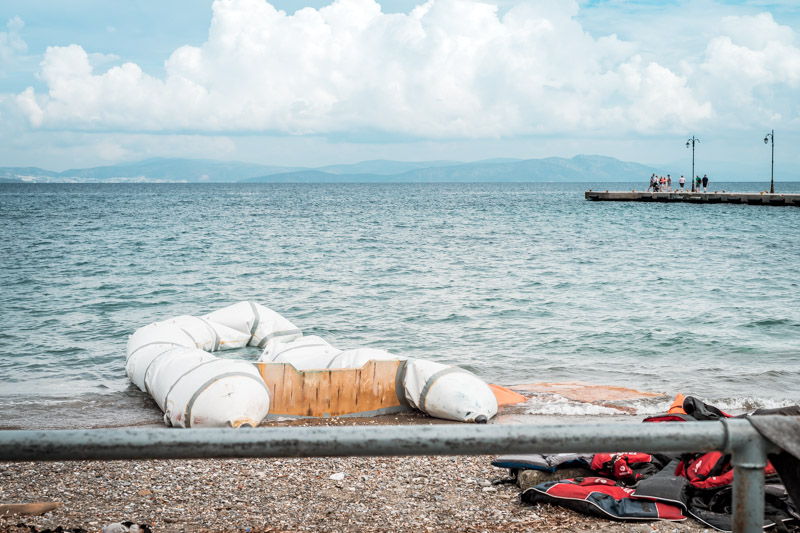
Organised smuggling gangs provide the refugees with life jackets and use motorised boats to take them just off the Greek coast. A crossing is said to cost 1,000 euros or more per person, and usually takes place at night.
Greece: Refugees in search of a better life
According to European law, every person who can no longer return to their home country due to war or other serious dangers has the right to claim asylum. The Greece-Turkey agreement was designed to reduce the number of people arriving on the Greek islands.
The so-called Refugee deal with Turkey stated that people who did not come from civil war-torn Syria would be returned to Turkey. Syrian refugees, on the other hand, were required to apply for asylum while still in Turkey.
However, many refugees carry no documents or ID. Processing these asylum applications is therefore incredibly tedious. With new migrants constantly reaching the Greek islands from Turkey, the waiting list only continues to grow.
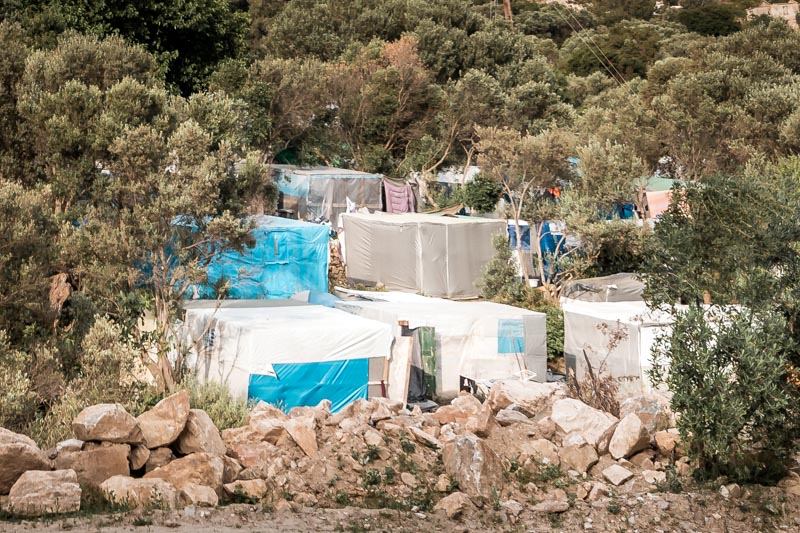
People seeking protection do not only arrive on the Greek islands; they also head for the mainland. The land border between Turkey and Greece is used by less than 20% of refugees. This low figure is a direct result of strong border controls on the Evros river by both countries.
Furthermore, many refugees attempt to reach Europe via Spain, Italy and Malta. You can find a visual overview of arriving refugees over recent years here: Flow Monitoring
#5 Are there refugees on other Greek islands?
No! Apart from Lesbos, Samos, Chios, Leros and Kos, there are no large flows of refugees or major refugee camps on other Greek islands. Due to their proximity to Turkey, these specific islands receive the vast majority of arrivals. Since 2023, refugees have also occasionally arrived on the remote south coast of Crete, as well as on Rhodes.
There are no refugees on the islands of the Cyclades (including Mykonos and Santorini) or the Ionian Islands (including Corfu and Zakynthos). Thanks to their distance from the Turkish coast, they are not directly affected by the refugee crisis. However, sea rescues do occasionally take place in Greek waters.

There are also refugee camps on the Greek mainland. Thanks to better infrastructure, these are generally somewhat better organised than the facilities on the islands. Vulnerable people, children, and families are usually accommodated here.
Most of the 27 mainland reception centres are located in the Attica region near Athens, and in northern Greece around Thessaloniki. You can find an overview of the capacity and utilisation of these camps on the Greek Ministry of Migration’s website: SMS Factsheets Hotspots
#6 How can I help the people on the islands?
Since the beginning of the economic crisis in Greece, many organisations have been helping to get the country back on its feet. These include transnational associations and Non-Governmental Organisations (NGOs) from all over Europe.
You can find information about current projects and ways to support them on their respective websites. A simple Google search for “Greece Help” brings up countless organisations. Unfortunately, not all NGOs operate with complete transparency.
One of the very best ways to help the local population is simply to book a trip to a Greek island. Supporting the local economy through tourism is immensely important for the people living there.
“The islands of Lesbos, Chios, Samos, Leros and Kos are safe and beautiful holiday destinations!”
There is absolutely no danger to visitors. If you feel uncomfortable, you can easily avoid the specific areas where refugees are accommodated. However, staying away out of misplaced pride or shame does not help the islanders at all.
The association Griechenlandhilfe.at
The Austrian Erwin Schrümpf and his team at Griechenlandhilfe.at do truly remarkable work. Since 2012, he has been continuously supplying Greek hospitals, schools and other institutions with donations of all kinds. From medicines to school books and office chairs, Erwin has brought almost everything to Greece over the years.
The work of Erwin and his team is highly appreciated in Greece and serves as a prime example of voluntary humanitarian support. If you would like to find out more about the work of Griechenlandhilfe.at, you can do so here:
- Facebook: Griechenlandhilfe.at
- Website: Griechenlandhilfe.at
This non-governmental organisation relies on donations to fund its numerous projects. Their donation account details are:
-
- Aid to Greece – Association for Humanitarian Aid in Greece
- IBAN: AT64 3502 1000 1809 7121
- BIC: RVSAAT2S021
#7 Can you still go on holiday to Greece?
Our personal answer is: YES!
You can holiday on all the Greek Islands without any restrictions. The situation in 2025 is in no way comparable to the peak crisis years of 2015 to 2019.
The inhabitants of Lesbos and Chios, in particular, are incredibly grateful for every visitor. A huge proportion of local people rely entirely on tourism. The hospitality industry is their livelihood, and for most, it is their only source of income.
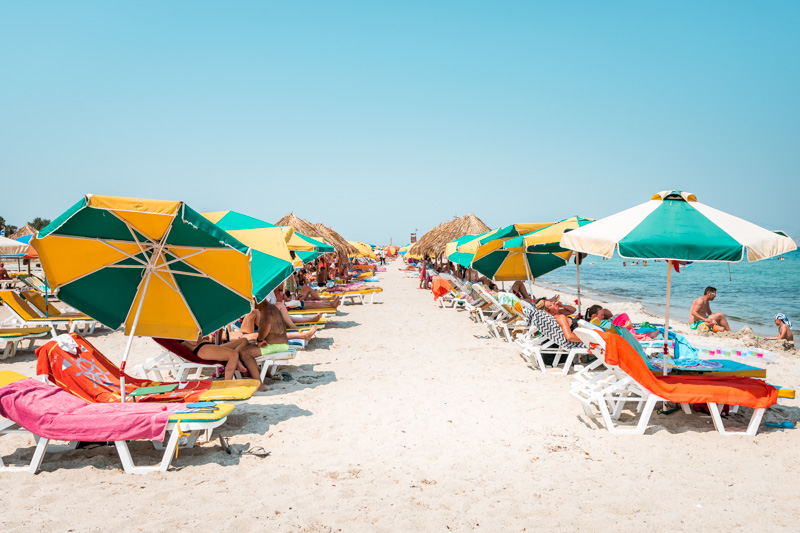
If tourists stop visiting the islands affected by refugee arrivals, the unprecedented commitment and voluntary help for refugees provided by locals will become almost impossible to sustain.
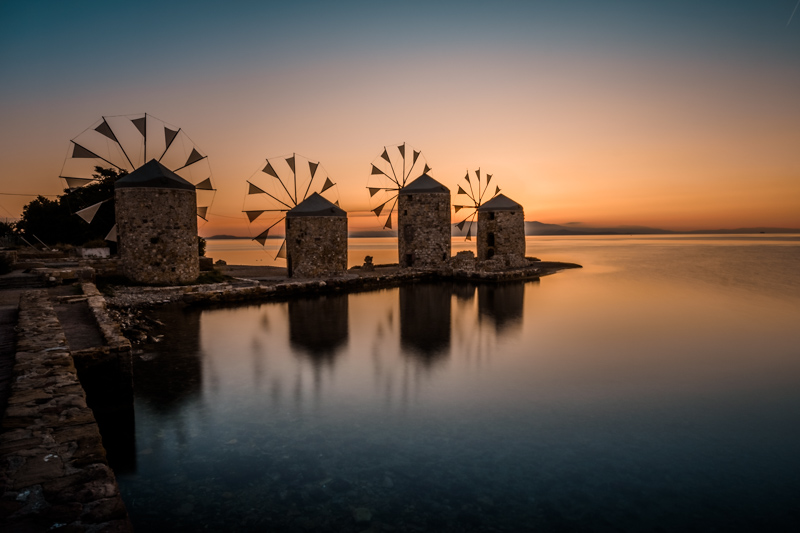
During our stays on these islands, we have always had a wonderful time, and we especially remember the warmth and kindness of the locals. Every island is unique in its nature and its people, and they are all waiting to be discovered.
→ Discover exactly why it is worth travelling to Greece in this article: Reasons for a holiday in Greece
Helping locals and refugees in Greece
Holidaying on these islands does not mean looking away or ignoring the suffering of refugees in Greece. Quite the opposite! It is incredibly important to stay informed about the situation on the ground.
The Greeks are a strong people, proud and full of love for their homeland. Behind their seemingly unshakable façade, it can be easy to miss their quiet despair at first glance.
By booking a holiday in Greece—and especially on the islands that host refugee camps—we can directly support the local population, who are also deeply affected by the ongoing refugee situation.
*Support our blog Greece-Moments
In this post, you will find affiliate links marked with an asterisk (*). If you book or buy something through one of these links, we receive a small commission. For you, the price remains exactly the same. In this way, you help us continue to provide high-quality content for free. Did you like this post and would you like to say thank you? Then just buy us our next Greek coffee ☕️ To the coffee fund